London's River Thames gets first official bathing spot as England opens 13 sites

London's River Thames gets first official bathing spot as England opens 13 sites
London’s Thames at Ham becomes the first official bathing water, part of 13 new monitored sites across England, boosting water quality checks and local swimming.
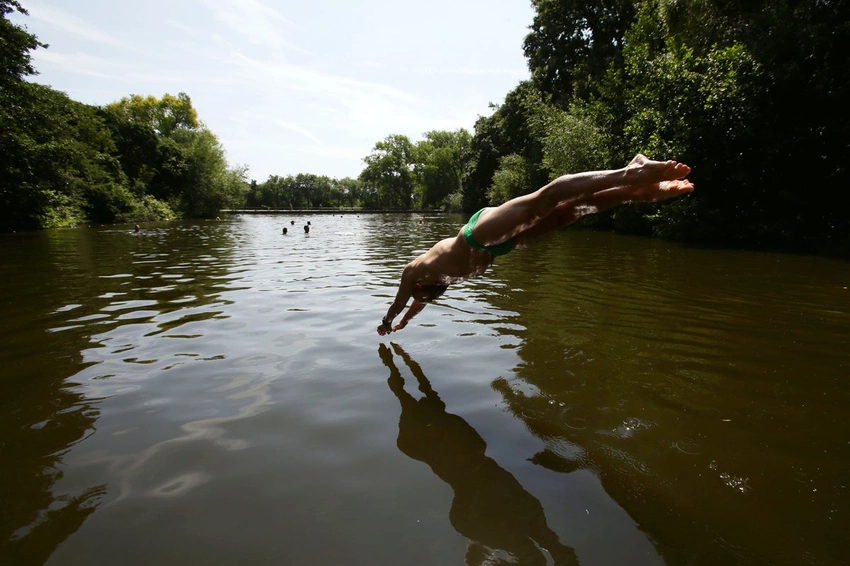
The first designated bathing water area on the River Thames in London will welcome swimmers for the official start of the bathing season on Friday as one of 13 new monitored swimming areas across England. The Thames at Ham, in south-west London, has been designated as a new river bathing water area after campaigners gathered evidence to show thousands of people use the river for swimming throughout the year. Marlene Lawrence, the founder of the Teddington Bluetits, which has more than 2,000 members, put in the bathing water application alongside her colleagues. “This is amazing for the river and for the many people who enjoy it,” she said. Campaigners began fighting for bathing water status for rivers six years ago under the EU-derived bathing water directive, in an attempt to drive a cleanup. Bathing water designations were until then limited to coastal waters and lakes, but rivers are now being brought into the regime with stronger monitoring and transparency.
Water minister Emma Hardy said: “The introduction of these new bathing sites means better monitoring of our waterways, a boost for local tourism and greater confidence for local swimmers. Following years of indifference towards bathing waters, this government has expanded the number of sites as part of our overhaul of the water sector. We’re committed to generational reform of our water industry and won’t stop until the job is done.” The new sites include a tidal inlet off the River Yealm in Devon; part of the River Fowey in Lostwithiel, Cornwall; the River Dee at Sandy Lane, Chester; a sea swimming area at Little Shore, Amble in Northumberland; Pangbourne Meadow in Berkshire (inspiration for The Wind in the Willows); and the River Swale in Richmond, Yorkshire, among others. Campaigners say the designation will bring clearer testing for faecal bacteria and other pollutants while supporting local tourism and recreational use. The plan signals a shift toward treating rivers with the same attention once reserved for coastal waters, as authorities emphasize environmental stewardship and healthier, safer places to swim.
