Trump's $100K H-1B Fees Could Hit TCS and Infosys Hard

Trump's $100K H-1B Fees Could Hit TCS and Infosys Hard
A proposed $100,000 H-1B visa fee threatens big Indian IT firms, with potential hundreds of millions in extra costs and shifts in hiring strategies.
The US administration’s proposed $100,000 (Rs 90.43 lakh) fee on new H-1B visa applicants is set to reverberate through the IT outsourcing and staffing sectors. The move, framed as a step to curb immigration, could drastically raise the cost of bringing foreign skilled workers into the United States. Multinational staffing firms like Tata Consultancy Services (TCS) and Infosys stand to bear the brunt, along with Cognizant, in what analysts say could reshape U.S. tech hiring dynamics.
According to a Bloomberg News analysis, these firms act as midwives for companies seeking H-1B workers, and the new pricing could inflate costs across their pipelines. Between May 2020 and May 2024, roughly 90% of new H-1B hires at these three firms were approved at U.S. consulates, underscoring how central they are to sourcing foreign talent.
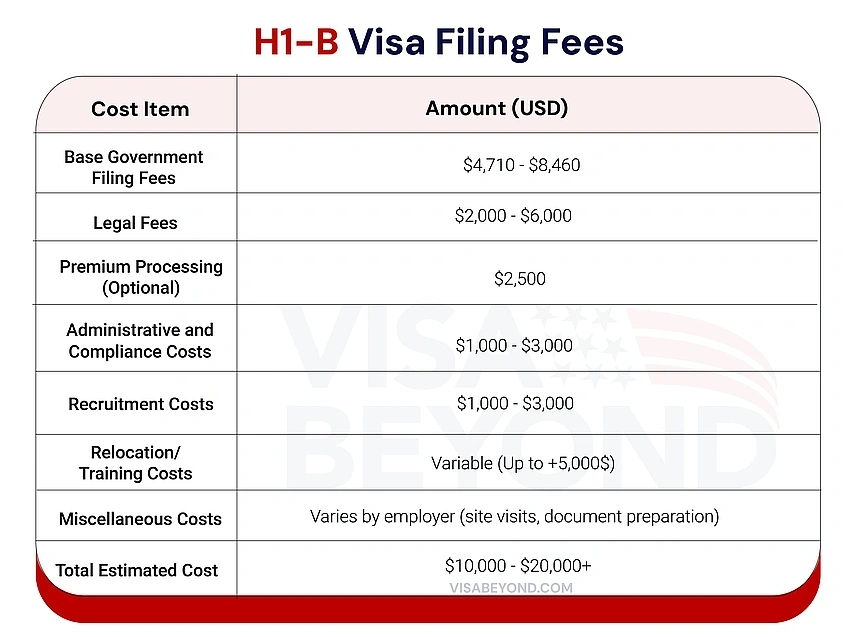
Infosys could see more than 93% of its H-1B hires—about 10,400 workers—affected by the exorbitant visa fees, while TCS would have faced millions in charges for around 6,500 workers. Cognizant would have needed to shell out for roughly 5,600 hires, representing a significant financial exposure for all three. Historically, H-1B fees have hovered around $2,000 in many cases.
Analysts warn the fee could deter companies from filling mid-career or early-career roles with foreign talent, pushing firms to consider offshore recruitment or local hiring alternatives. The ripple effect could intensify pressure on Indian IT giants to pivot their staffing models and client delivery strategies.
Beyond the numbers, the policy’s potential impact on diversity in tech hiring is noted, with early signals that young women in the H-1B pool could be disproportionately affected. If enacted, the rule could reshape the competitive landscape for large offshore staffing firms and their U.S. clients, prompting a reevaluation of how and where skilled labor is sourced.
