England eyes return of golden eagles after 150 years

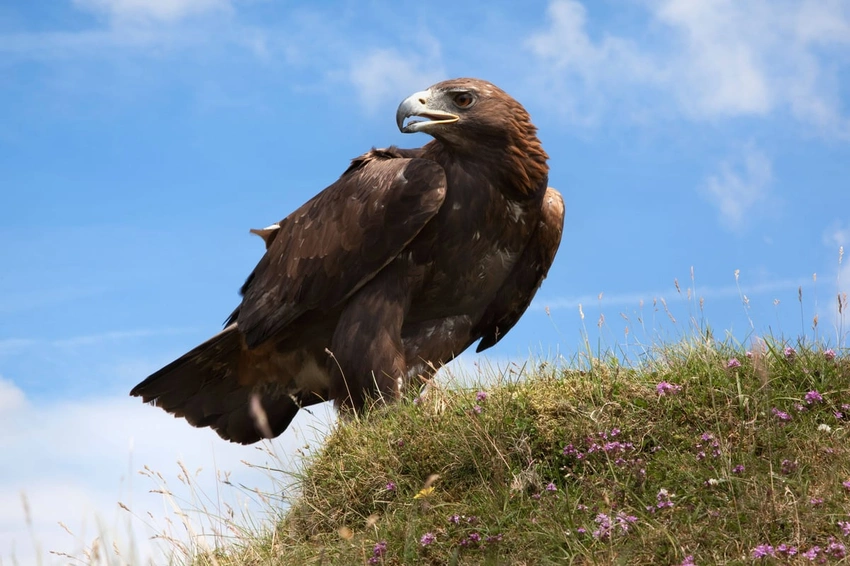
England eyes return of golden eagles after 150 years
A £1m government drive backs eight northern recovery zones to reintroduce England's iconic golden eagle, with juvenile releases planned next year.
England could reintroduce golden eagles after more than 150 years, with a study identifying eight potential recovery zones, mostly in the north, where populations could be sustained. It may take more than a decade before breeding flocks are established, but the plan marks a clear path toward restoration.
The last native golden eagle is thought to have died in 2015 in the Lake District, with decades of persecution by gamekeepers and farmers blamed for the species' decline. Eagles are occasionally seen in areas such as Northumberland, crossing from southern Scotland where a growing population exists.
In response to the study, the environment secretary approved £1m in additional funding to pave the way for a programme that could see juveniles aged six to eight weeks old released as early as next year. She said: “This government is committed to protecting and restoring our most threatened native wildlife – and that includes bringing back iconic species like the golden eagle.”
The eight identified recovery zones are largely in northern England, and while it could take more than a decade for self-sustaining breeding populations to emerge, officials say the country has the capacity to support the birds once again. The plan emphasizes working with partners and communities to make the golden eagle a feature of English land.
If successful, the reintroduction would be a landmark in conservation, reviving a bird long associated with England’s landscape and history.
