Starmer backs curbs on protests amid antisemitism crackdown

Starmer backs curbs on protests amid antisemitism crackdown
PM signals targeted protest limits to protect Jewish communities, sparking debate on free speech and safety in UK politics.
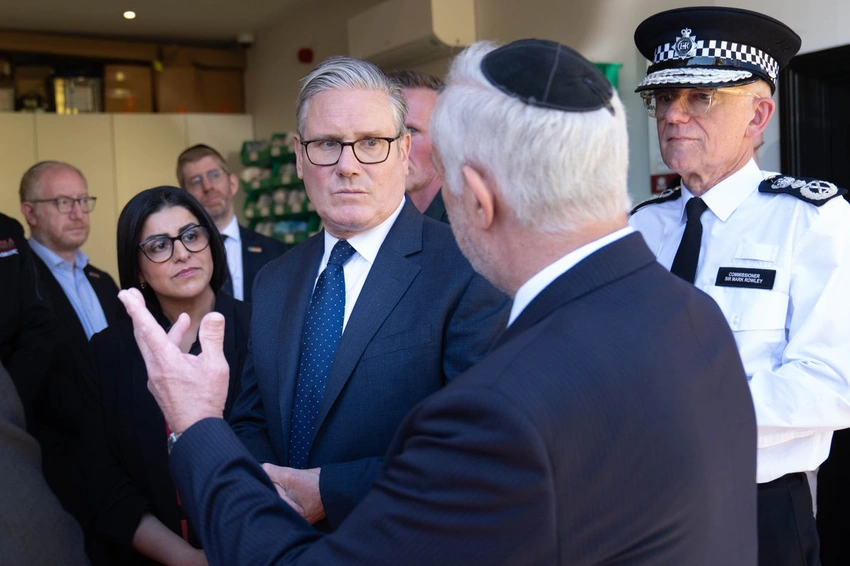
London — Prime Minister Keir Starmer signaled a willingness to curb some protests as part of a broader antisemitism crackdown, visiting the Golders Green area to meet community members and show solidarity. He framed the issue as a matter of safety and dignity for Jewish residents who have faced a string of provocative demonstrations in recent months. While he stopped short of endorsing a blanket ban on protests, he proposed targeted restrictions where protests are judged to risk inflaming hatred or putting people at risk.
In a BBC interview, the Prime Minister said he is concerned about the cumulative effect of marches on the Jewish community, stressing that policy must balance the right to protest with the responsibility to protect vulnerable groups. He indicated that in some cases protests may need to be stopped in order to prevent harm, rather than blanket silencing of dissent.
A central flashpoint in the debate has been chants heard at marches, including calls that supporters say must be condemned. Starmer called on marchers who hear chants of ‘globalise the Intifada’ to step back and ask themselves, ‘why am I not calling this out?’ He framed such questions as essential to a responsible stance against hatred while maintaining civic dialogue.
The stance has drawn backlash within Labour, with some MPs arguing that hardening rules could chill peaceful protest and undermine civil liberties. Supporters insist the focus is on protecting communities from rising antisemitism and preventing incendiary rhetoric from escalating tensions on the streets. The conversation sits within a broader, cross-party challenge: how to address antisemitism without eroding the right to express political views.
Context of the broader political climate shows antisemitism continues to be a fraught topic across parties, shaping how leaders approach protests, policing, and speech. Analysts say the coming days will test the balance between safeguarding communities and upholding democratic rights, with decisions likely to influence both public sentiment and party dynamics as lawmakers weigh proposed measures against the risk of overreach.
Officials emphasize that the aim is to counter hatred and protect vulnerable groups while preserving democratic freedoms. The evolving discussion will likely surface in parliamentary debate and in local policing decisions as authorities assess where targeted curbs might be warranted and how they would be implemented.
