The Return of the It-Bag: Why a Handbag Still Feels Like Power

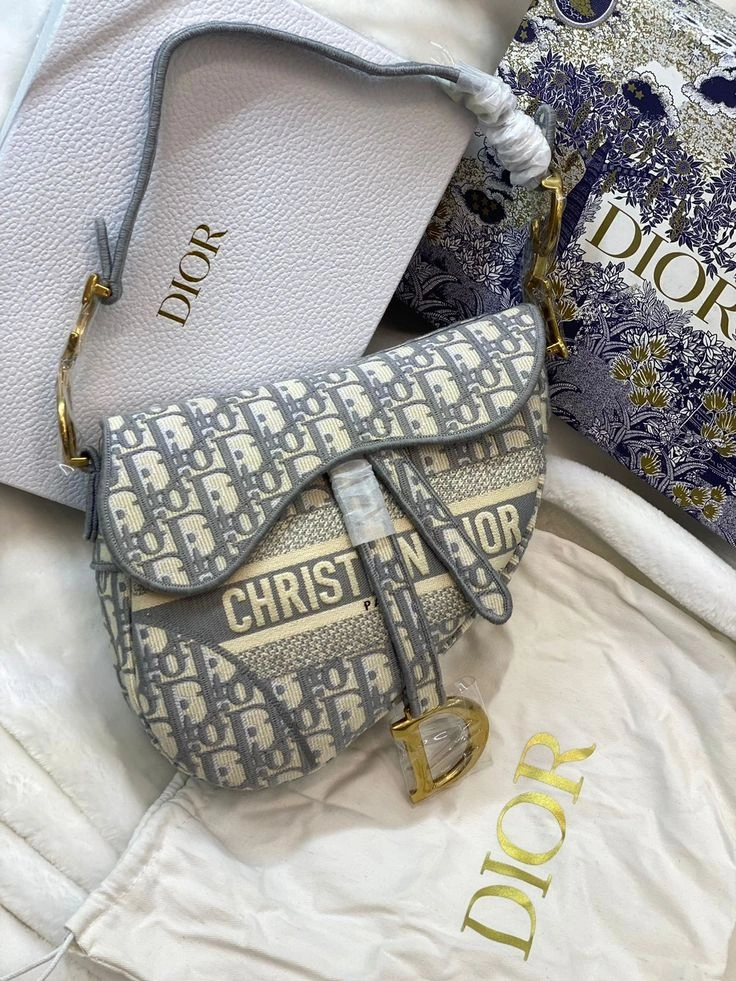
The Return of the It-Bag: Why a Handbag Still Feels Like Power
The Return of the It-Bag: Why a Handbag Still Feels Like Power
Do you ever think of that one bag that you've carried everywhere? It wasn't just a carry-all, it was a statement. The one that just felt right. A symbol. It felt like I was holding some superpower to greatness with this bag.
And now, for reasons big and small, the “It-Bag” is coming back into focus. But this time, it’s not just about logos, status, or showy brands. It’s about meaning, identity, self-expression. The handbag has returned to the spotlight because, in many ways, it has never stopped being one of the clearest signs that you matter.
The term “It-bag” was coined in the 1990s and 2000s to describe that one must-have luxury handbag of the season — the one every celebrity carried, every magazine wrote about, every influencer re-grammed.
Status and symbolism. A well-made designer handbag isn’t just a utility item. It carries meaning. Researchers and fashion theorists note that handbags deliver a form of symbolic power. One study in the International Journal of Costume and Fashion found that for consumers, handbags offered “social symbolic significance” more than almost any other accessory.
Self-expression and identity. Beyond logos and status, the handbag became a tool to declare something about you. A particular shape, color, brand, silhouette — they all whispered your place in society.
In short: the It-bag was power, symbol, identity.
Nostalgia + revival. In 2025, fashion publications are reporting on the comeback of classic It bags: the Chloé Paddington, Mulberry Bayswater, Balenciaga City: vintage icons getting reissued. There’s comfort in the familiar when trend-cycles feel dizzying.
Toward meaning over show. While five- or ten-year-old articles declared “Instagram killed the It bag” because trends cycle faster, the current revival indicates something deeper: people want bags that mean something, not just look good.
Resilience and investment. In uncertain times, a well-made bag becomes a safe luxury. The idea of “buy less, buy better” fuels interest in timeless bags rather than ultra-flash trends. Some younger consumers are tackling value, resale, sustainability in how they pick bags.
From logos to stories. It’s less about the brand and more about the story now. Vintage, heritage, first-edition, upcycled: bags that carry narrative feel more relevant. The story behind the bag becomes part of the power.
From status display to personal proof. Instead of a badge only others see, a bag is now something you carry to remind you of something: ambition, achievement, identity, memory. The idea of power is becoming internal rather than external.
Mobility and autonomy. A handbag is something you carry. It’s yours. It moves with you. Historically, women gaining mobility (jobs, travel, independence) had to carry more, do more, be more visible. Handbags became symbolic of that shift. One earlier study noted women’s increased mobility and activity contributed to handbags’ rise as fashion signifiers.
So why do we care about a handbag again? Because in a world full of noise, change, disruption, the bag is steady. It’s visible without screaming. It’s personal without needing explanation. It’s practical yet poetic.
The It-bag revival is less about vanity than meaning. Less about “look at me” and more about “this is me.”
When you pick up your bag, walk out the door, you’re carrying something more than your essentials: you’re carrying story, value, identity. You’re saying you belong, you matter, you’ve arrived, or you’re on your way.
And maybe that’s why a handbag still feels like power. Because power isn’t just about being seen; it’s about being known.
In the return of the It-bag, we’re all reaching for something that lasts: in design, in moment, in meaning. Because beyond the brand, beyond the logo, beyond the hype, what endures is you.
