Matcha, Code, and Becoming Someone New

Matcha, Code, and Becoming Someone New
Matcha, Code, and Becoming Someone New
Change rarely arrives all at once. It does not usually announce itself with a dramatic turning point or a single morning where everything suddenly feels different. More often, becoming someone new happens quietly: through habits that seem too small to matter at first, through repeated choices that slowly alter how a day feels, how a mind works, and how a person relates to herself.
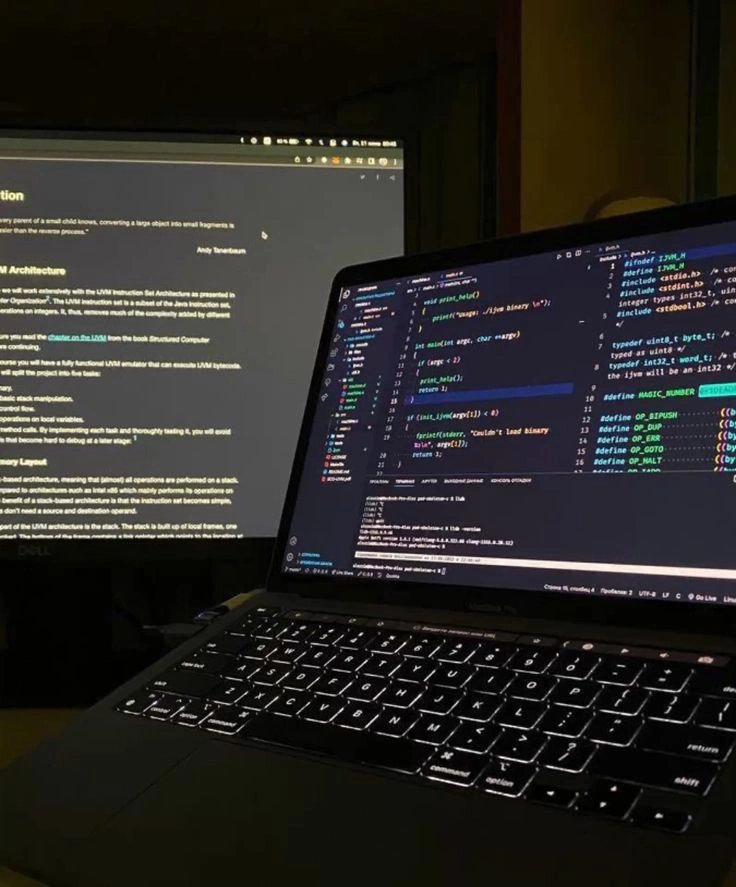
Sometimes change looks less like transformation and more like a green ceramic cup beside a laptop, a half-written function on screen, and a morning that begins differently than it used to.
That is why matcha and code, though they seem unrelated, can unexpectedly belong to the same story.
Both involve attention.
Both demand patience.
And both, in different ways, ask for presence.
For someone living inside academic pressure, especially in environments where logic, deadlines, and constant mental effort shape daily life, small rituals often become more important than they appear. In technical fields such as computer science, days can easily become absorbed by problem-solving: debugging, assignments, concepts that refuse to make sense until suddenly they do, long stretches of thought where time disappears but mental fatigue remains.
The mind becomes active in highly structured ways, but emotional life often moves in parallel, carrying its own unfinished questions.
That is where rituals matter.
A cup of matcha does not solve academic stress, but it interrupts the pace at which stress usually enters the day.
The process itself creates a pause: warm water, measured powder, slow whisking, watching texture settle. Unlike instant drinks made thoughtlessly, matcha asks for a few moments of deliberate movement.
Those few moments matter more than expected.
Because mornings often shape mental rhythm. A rushed morning tends to produce a rushed mind. A slower beginning, even brief, creates a different atmosphere before the day fully begins.
There is something calming about watching matcha become smooth: the visible result of attention applied patiently. It is a simple act, yet psychologically grounding because it asks the mind to remain with one thing before everything else begins asking for thought.
Then comes code.
Code offers a different kind of focus, but one strangely related to the same principle. Programming demands patience in a form that is often invisible to people outside it. A line may fail for reasons that appear small but require deep concentration to understand. Logic must be clear enough that a machine can follow it exactly, yet flexible enough to solve problems efficiently.
At first, this process can feel frustrating because code rarely rewards impatience. A rushed mind often creates avoidable mistakes.
A missing bracket, a misplaced condition, a misunderstood edge case: small details matter enormously.
The version of yourself who once moved through days differently begins to feel distant: not rejected, simply outgrown.
There is also something beautiful about how technical work and personal reinvention can coexist. People often imagine intellectual life and emotional growth as separate, but they often happen together. The patience learned through one strengthens the other.
Code teaches that problems become clearer when broken into parts.
Healing often works similarly.
Growth teaches that consistency matters more than intensity.
Programming does too.
And matcha, quietly present beside both, becomes a symbol of deliberate calm in the middle of demanding thought.
Perhaps becoming someone new is exactly this: not abandoning old versions of yourself dramatically, but slowly building mornings, habits, and ways of thinking that no longer belong to who you were.
A cup cooling beside unfinished code.
A problem still unsolved, but no longer frightening.
A life not perfect, but gentler.
And the quiet realization that this too is transformation: small, intelligent, soft, and real.
