Lorde's 'Pure Heroine': The 2013 Album That Rewrote Pop's Rules

Lorde's 'Pure Heroine': The 2013 Album That Rewrote Pop's Rules
Relive the moment Lorde's "Pure Heroine" dropped, smashing pop's polished facade and kickstarting the alt-pop revolution. Discover why this album still resonates a decade later.
Lorde's 'Pure Heroine': The 2013 Album That Rewrote Pop's Rules
Remember 2013? Pop music was a glittering, maximalist affair. Think huge hooks, synth explosions, and a general air of polished perfection.
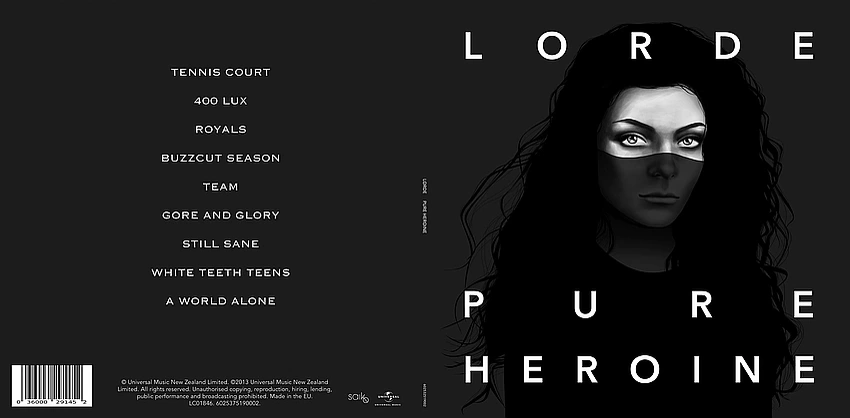
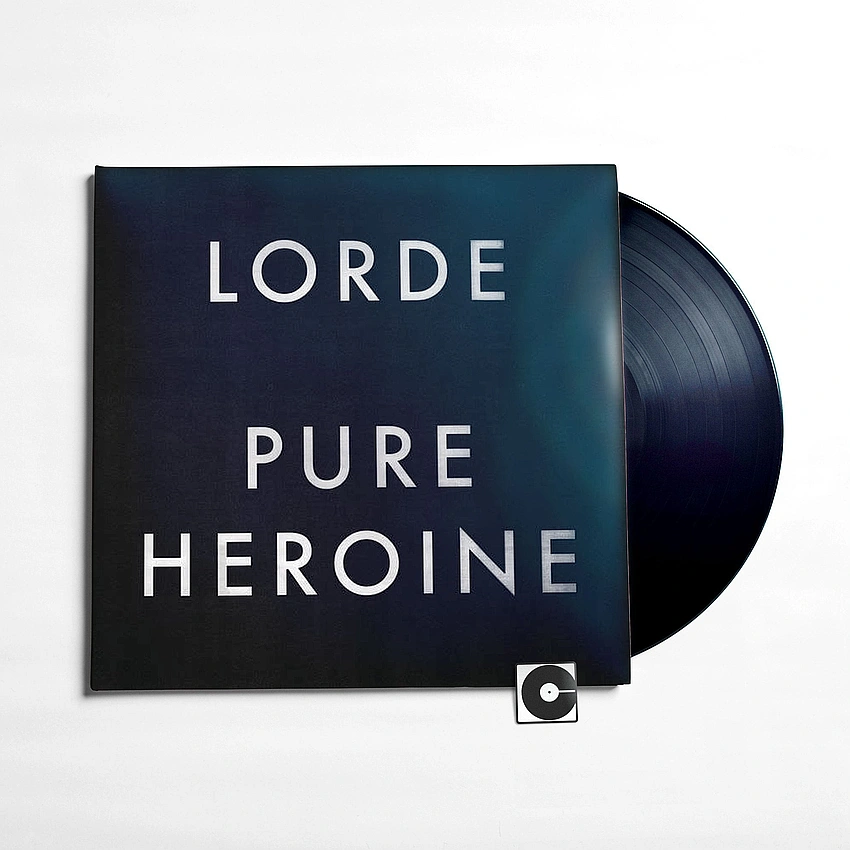
Then, a then-16-year-old from New Zealand named Lorde dropped Pure Heroine , and everything shifted. It was a seismic event that quietly, yet definitively, killed the pop polish of the era and birthed a new, darker, more introspective sound we now call alt-pop.

From the moment “Royals” hit, it was clear Lorde wasn't playing by the established rules. Her breakout single wasn't about flashing diamonds or bottle service-fueled nights. Instead, it was a sardonic, almost detached critique of opulence, delivered over sparse beats and haunting vocals.
The lyrics,
We don't feel like dancing / In this world alone / We crave a different kind of buzz ,
perfectly captured a generation's quiet disillusionment with mainstream excess.
Pure Heroine eschewed the high-octane production values of its contemporaries. Its sound was a masterclass in minimalism-atmospheric synths, thrumming bass lines, and precise, often understated percussion. This stripped-back approach put Lorde's distinctive voice and profoundly insightful lyrics front and center.
It felt raw, honest, and utterly unlike anything else on the radio.
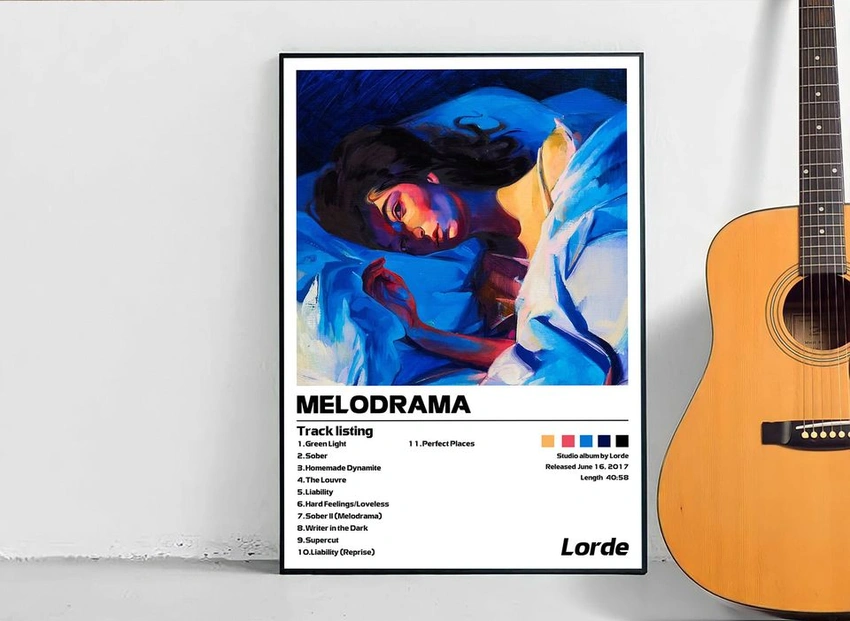
The Birth of a New Sound
The album's impact went far beyond its commercial success-though that was undeniable, peaking at number three on the Billboard 200. Pure Heroine became a blueprint. It demonstrated that pop could be smart, moody, and deeply resonant without sacrificing accessibility.
Lorde sang about suburban ennui, the anxieties of youth, and the search for identity with a poetic wisdom that belied her age.
Tracks like “Tennis Court,” “Team,” and “Ribs” explored themes of friendship, insecurity, and the passage of time with a vulnerability that felt both personal and universal. She made it cool to be a thoughtful outsider, to find beauty in the mundane, and to question the prevailing narratives of pop culture. This authenticity resonated deeply, sparking a trend towards more understated, lyrically driven pop that didn't shy away from complex emotions.
Why it Still Matters: A Listening Guide
Today, Pure Heroine sounds as fresh and vital as it did in 2013.
It's a foundational text for understanding the evolution of pop music over the last decade. Listening to it now, you can hear the echoes of its influence in artists who followed, from Billie Eilish's whispered introspection to Halsey's narrative-driven pop.
Lorde didn't just make an album; she opened the door for a wave of artists who dared to be different.
So, how should you listen? Find a quiet moment. Put on some good headphones.
Let the atmospheric production wash over you, and pay close attention to the lyrics. It's an album best experienced as a cohesive work, from the defiant opening of “Tennis Court” to the melancholic reflection of “A World Alone.” It's a journey through the mind of a young artist who, with just one album, changed the sound of pop forever.

Login to comment.