Vishal Sikka: AI’s Real Power—Creative Destruction at Hyper Speed

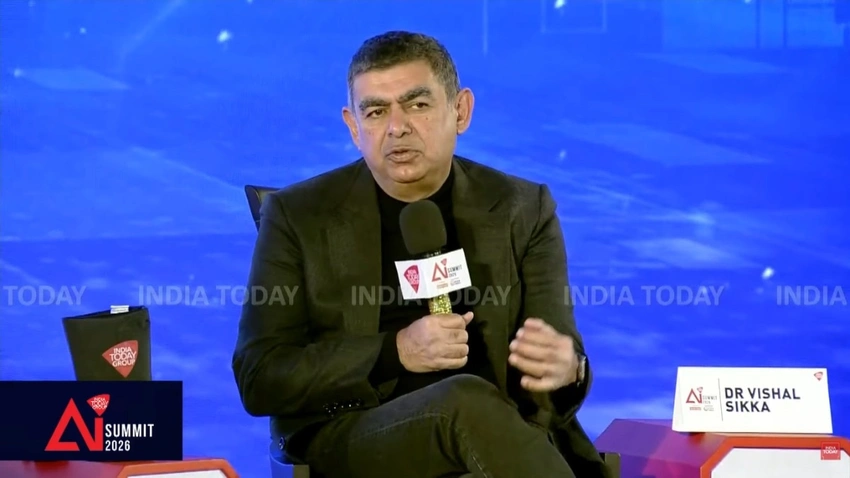
Vishal Sikka: AI’s Real Power—Creative Destruction at Hyper Speed
Vishal Sikka outlines AI’s real, rapid impact: massive productivity gains for savvy users, disruptions for routine work, and a call for value-driven, ethical deployment in India.
At the India AI Summit, Vishal Sikka, founder and CEO of Vianai Systems, framed AI’s impact as real but not sudden. He highlighted how AI can deliver dramatic productivity gains—compressing months of work by large teams into days or even minutes for individuals who know how to use it well. He emphasized that the technology’s best results come from skilled adoption, not from wishful thinking, and warned that misapplied AI can fall short of expectations. Sikka urged organisations to measure AI’s success by the value it unlocks, not by hype alone.
He painted a picture of what he calls “creative destruction at hyper speed,” where routine knowledge work is increasingly automated or reimagined, and entirely new opportunities emerge for those who pivot quickly. Rather than fearing automation, companies should focus on the fresh value AI can unlock, such as faster decision-making, personalized customer experiences, and new business models. This shift, he suggested, requires new skills, governance, and a willingness to rethink operating models.
Beyond productivity, Sikka stressed that AI is a tool, not a friend. He argued that human judgment will ultimately decide India’s AI future, underscoring the need for rigorous thinking, skepticism about AI outputs, and an emphasis on accuracy and accountability. He acknowledged the hallucination risks inherent in generative systems and called for robust regulation, safety, and ethics—areas where he said India is showing global leadership. He urged leaders to pair technological ambition with governance structures that prevent harm and protect users.
The conversations at the summit also highlighted a practical industry constraint: a GPU shortage and a gap in applications that enterprises or individuals find worthwhile. This tension, Sikka noted, means the market must move beyond shiny prototypes toward scalable, value-driven products. The moment, he implied, will come when foundational AI technologies are paired with meaningful use cases, trusted outcomes, and responsible innovation.
In sum, the message is clear: invest in AI that creates real value, design with human oversight, and build institutions that balance speed with safety. If India wants to lead in AI, the path is not just about powerful algorithms—it’s about principled deployment, continuous learning, and a attentive eye toward the human outcomes AI enables.
