Congo's Ebola Crisis Deepens: Over 4,000 Deaths Reported 💔

Congo's Ebola Crisis Deepens: Over 4,000 Deaths Reported 💔
Alarming news from Congo! The Ebola outbreak has claimed over 4,000 lives, with the virus spreading rapidly. Learn why mistrust and limited resources are fueling this crisis. #EbolaOutbreak #CongoCrisis
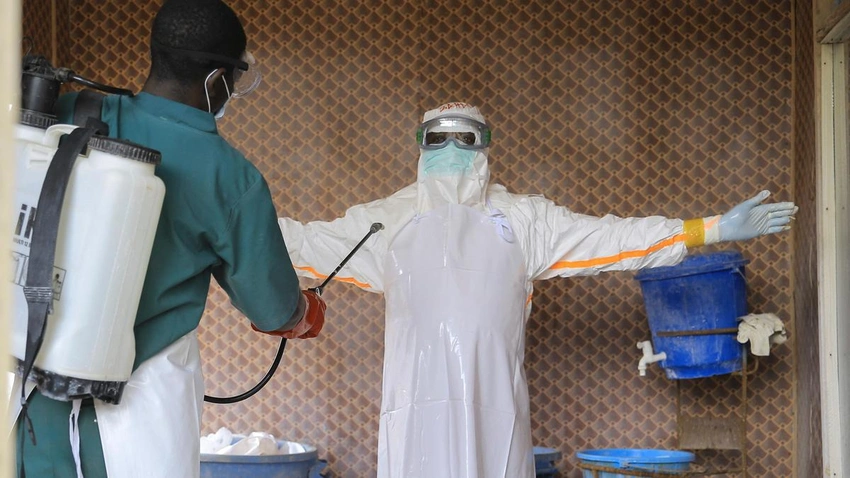
The Democratic Republic of Congo is grappling with a rapidly escalating Ebola outbreak, which has now tragically claimed over 4,000 lives. Authorities released the latest figures on Thursday, October 1, 2026, revealing that out of 8,300 confirmed cases, 4,018 individuals have succumbed to the virus. This alarming statistic means nearly half of all confirmed cases have resulted in death, marking this as the fastest-growing Ebola outbreak in history.
The current outbreak, which began on May 15, is caused by the rare Bundibugyo virus, for which there is currently no known treatment or vaccine. The World Health Organization (WHO) has voiced serious concerns regarding the virus's rapid geographical spread into new health zones.
This expansion is stretching already limited resources and exacerbating the challenge of containment.
Adding to the complexity, the Africa Centers for Disease Control and Prevention noted in a recent news conference that while the number of confirmed cases appears to be falling, this could be a misleading indicator. Insecurity in certain areas and difficulties in securing community cooperation in hotspots are likely contributing to underreporting rather than a true decline in the virus's spread.
Efforts to control the 17th Ebola outbreak in the Central African nation are severely hampered by widespread mistrust among the population towards both health workers and government authorities. This deep-seated skepticism has been highlighted by recent events, including the tragic attack and death of a Congolese politician who was defending government measures to combat the outbreak.
Such incidents underscore the intense tensions impacting health communities and local resources.
Authorities attempted a new village-centered approach last month, but these initiatives are struggling against residents' beliefs that dismiss Ebola as a hoax. This distrust extends to the government itself, fueled by concerns over its handling of past outbreaks and persistent issues of chronic corruption.
The combination of a virulent strain, resource limitations, insecurity, and a lack of public trust creates a formidable challenge for health officials striving to bring this deadly epidemic under control.
