Where Locals Eat: Discovering Non-Touristic Paella in Barcelona

Where Locals Eat: Discovering Non-Touristic Paella in Barcelona
Barcelona is often celebrated for its stunning architecture, vibrant street life, and rich cultural heritage—but its culinary scene is just as captivating. Among the city’s most famous dishes, paella stands out as a symbol of Spanish cuisine. Yet, for first-time visitors, the challenge lies in finding authentic paella beyond the tourist traps. While many restaurants near popular landmarks cater primarily to tourists, locals know where to enjoy a truly genuine experience. This guide explores the non-touristic paella scene in Barcelona, revealing hidden gems, local eateries, and immersive culinary experiences that showcase the city’s food culture.
Understanding the Local Paella Culture
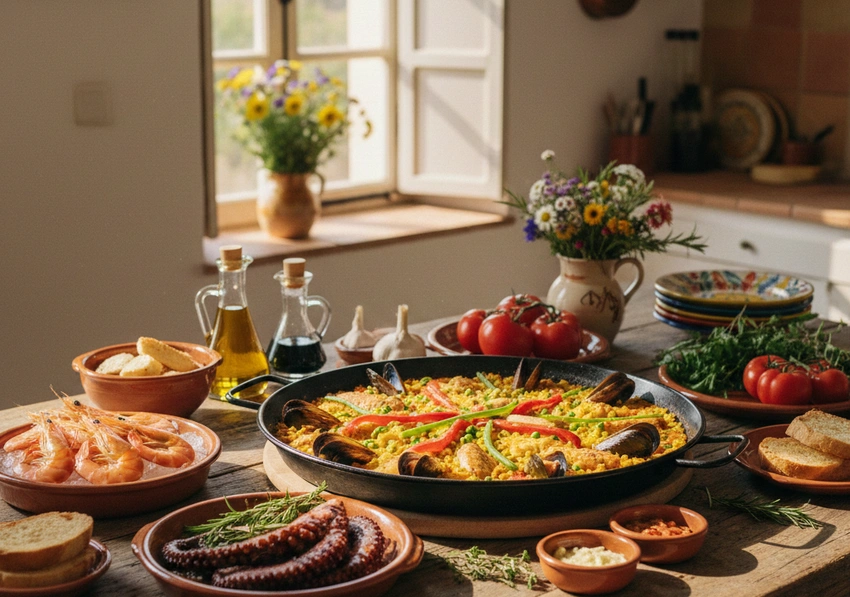
Paella is not just a dish; it is a cultural experience deeply rooted in Spain’s Mediterranean heritage. Traditionally made with rice, saffron, seafood, chicken, and vegetables, paella varies depending on the region and local ingredients. In Barcelona, a coastal city in Catalonia, seafood paella dominates menus, reflecting the city’s connection to the Mediterranean Sea.
Locals have a strong preference for authentic flavors and fresh ingredients. Many of the most acclaimed paella spots are tucked away in neighborhoods off the main tourist routes, such as Poble Sec, Gràcia, or Sant Andreu. These establishments emphasize quality, local sourcing, and traditional cooking methods, offering a true taste of Catalan cuisine.
Visitors seeking a genuine experience often combine dining with hands-on learning through paella cooking classes in Barcelona 🔗. These classes provide insight into the preparation techniques, ingredient selection, and history behind the dish, offering more than just a meal—they offer a connection to local culture.
Hidden Gems for Non-Touristic Paella
Exploring non-touristic paella in Barcelona requires a bit of guidance, as the best spots are often unknown to casual visitors. Here are some tips and examples of where locals enjoy their favorite paella:
- Neighborhood Restaurants: Local eateries in residential areas often serve traditional paella made from fresh, locally sourced seafood. These restaurants prioritize flavor over flashy presentation, creating dishes that have been perfected over generations.
- Family-Run Establishments: Many hidden gems are family-owned, passed down through generations. These restaurants provide a warm atmosphere, personalized service, and recipes that reflect authentic Catalan culinary traditions.
- Markets with On-Site Dining: Some Barcelona markets, like Mercat de Sant Antoni, feature small eateries where visitors can enjoy freshly prepared paella in a lively, authentic setting. Eating alongside locals in a bustling market creates an immersive culinary experience.
- Off-the-Beaten-Path Coastal Spots: Coastal neighborhoods beyond Barceloneta, such as Poblenou or Sant Martí, often have seafood-focused restaurants where paella is freshly cooked daily. These establishments tend to be frequented by residents rather than tourists, ensuring a truly local dining experience.
By choosing these off-the-beaten-path locations, visitors can experience paella in its most authentic form while avoiding overpriced tourist traps and crowded restaurants.
Learning Through Cooking: Paella Classes
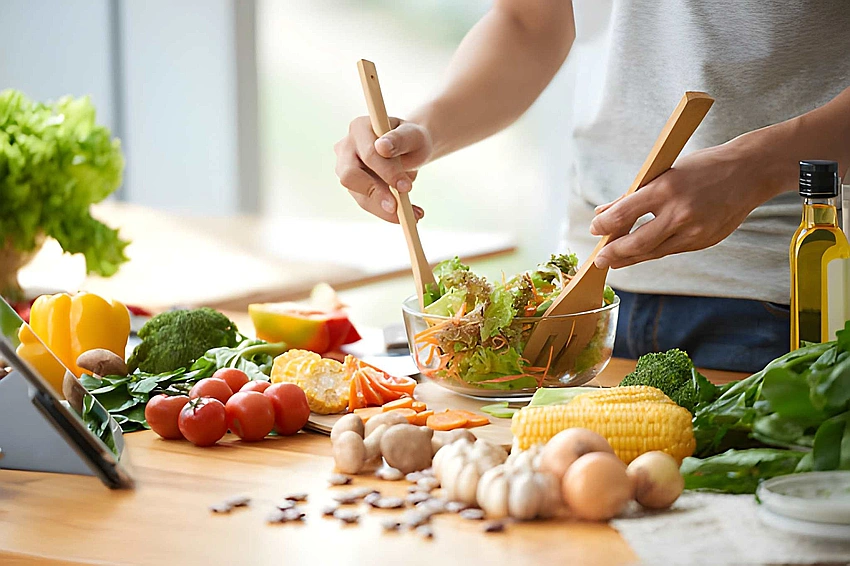
For those who wish to delve deeper into Barcelona’s culinary culture, participating in cooking classes in Barcelona 🔗 is highly recommended. Paella cooking classes in Barcelona are designed to teach visitors the art of preparing this iconic dish from scratch. Participants learn how to select high-quality ingredients, cook rice to perfection, and balance flavors using traditional seasonings such as saffron and smoked paprika.
Cooking schools in Barcelona, Spain, offer classes tailored to different experience levels. Some classes focus solely on paella, while others include a broader introduction to Catalan cuisine, incorporating tapas, seafood dishes, and local desserts. These experiences not only provide valuable cooking skills but also offer insights into the cultural significance of the dishes. Visitors leave with a hands-on understanding of what makes Barcelona’s cuisine so distinctive, as well as recipes they can recreate at home.
Tips for Finding Authentic Non-Touristic Paella
- Venture Beyond Tourist Areas: Avoid restaurants near La Rambla, Sagrada Família, or the Gothic Quarter if your goal is to find authentic paella. Locals favor smaller neighborhoods and local markets for their meals.
- Check Ingredients and Cooking Style: Authentic paella relies on fresh, seasonal ingredients and is traditionally cooked in a wide, shallow pan over a gentle flame. Restaurants prioritizing authenticity will rarely use pre-made sauces or frozen seafood.
- Ask Locals for Recommendations: Engaging with residents or using local food blogs and forums can point visitors toward the best hidden gems. Many of Barcelona’s favorite paella spots are known primarily through word-of-mouth.
- Reserve in Advance: Authentic paella takes time to prepare. Booking ahead ensures that your dish is cooked to perfection and prevents long waiting times, especially on weekends.
- Attend a Paella Cooking Class: Even if you plan to eat out, participating in a cooking class enriches your experience. It allows visitors to taste, cook, and understand the dish like a local.
Experiencing Paella with Local Wine and Beverages
A traditional paella meal in Barcelona is often complemented by local wines or cava, Spain’s sparkling wine. Many restaurants offer pairing suggestions that enhance the flavors of the dish. For seafood paella, light white wines or rosé work best, while traditional Valencian-style paellas pair well with red wines from Catalonia’s Penedès region.
Coffee and dessert also play a role in the culinary experience. Catalan desserts like crema catalana or turrón provide a sweet finish to a savory meal. Pairing meals with beverages that locals favor allows visitors to appreciate the full depth of Barcelona’s dining culture.
Markets and Local Food Culture
Immersing oneself in Barcelona’s markets is another way to experience non-touristic paella. Markets such as Mercat de Sant Antoni or Mercat de la Concepció are less frequented by tourists but offer fresh ingredients, artisanal products, and opportunities to interact with vendors. Many stalls also serve ready-to-eat paella prepared in small quantities, giving visitors a chance to enjoy the dish in its most natural setting.
Visiting these markets provides insight into local life, as residents shop daily for fresh ingredients. Observing how ingredients are selected, handled, and prepared offers a deeper understanding of what makes Barcelona’s paella and cuisine authentic.
Cultural Significance of Paella
Paella is more than a dish—it is a symbol of community and celebration. Traditionally, it is prepared for gatherings, festivals, and family occasions, highlighting its role in Catalan social life. Sharing a paella meal allows visitors to participate in a culinary tradition that has been passed down through generations. By seeking out non-touristic paella, travelers can connect with the local culture in a meaningful and memorable way.
Understanding this cultural context enhances the dining experience. Visitors realize that paella is not just about taste; it reflects Barcelona’s history, its connection to the Mediterranean, and the pride locals take in their culinary heritage.
Conclusion
Discovering non-touristic paella in Barcelona offers an authentic culinary adventure for first-time and returning visitors alike. From hidden neighborhood restaurants and family-run establishments to bustling markets and hands-on paella cooking classes 🔗 in Barcelona, there are countless ways to engage with the city’s food culture.
For those willing to step off the beaten path, the rewards are immense: fresh, flavorful dishes prepared with care, vibrant market experiences, and a deeper connection to local traditions. Combining dining with cooking schools in Barcelona, Spain, or guided culinary tours allows visitors to appreciate the artistry behind each dish and leaves them with lasting memories and skills to bring a piece of Barcelona back home.
By following local tips, exploring hidden gems, and embracing the cultural significance of paella, travelers can experience the true essence of Barcelona’s gastronomy—one authentic bite at a time.
