Nobel Laureate Mohammadi Moves to Tehran Hospital on Bail

Nobel Laureate Mohammadi Moves to Tehran Hospital on Bail
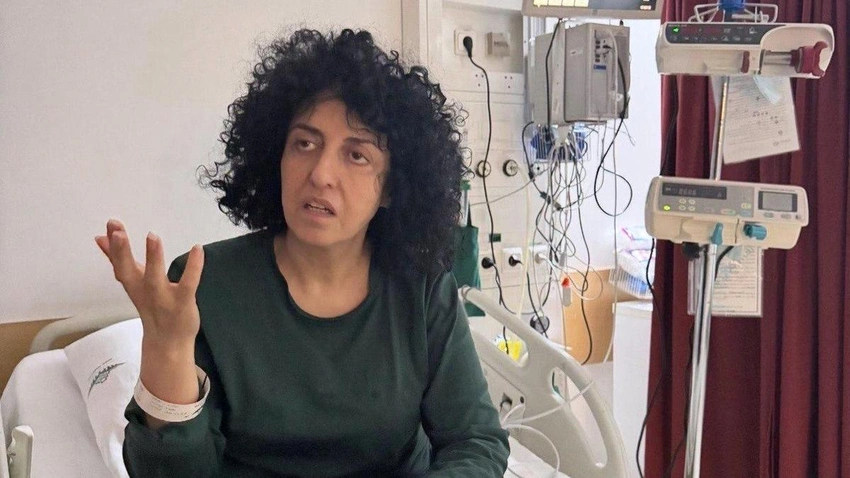
Narges Mohammadi, Nobel Peace Prize laureate, moved from prison to Tehran hospital after a heart event; her foundation calls for continued treatment and freedom.
Narges Mohammadi, the Nobel Peace Prize laureate imprisoned in Iran, was transferred to a Tehran hospital after suffering a heart-related crisis that supporters say worsened while in custody. The move comes more than a week after she collapsed in Zanjan prison and a series of pleas from her family and her foundation demanding better care and outside medical supervision. Official details remain scarce, but her transfer order followed decisions by government medical examiners that she needed continued treatment outside prison under her own medical team.
Her foundation said she has been granted a suspension of prison sentence on bail, though it did not specify how long that suspension would last. Lifesaving care and ongoing medical attention appear to be at the core of the appeal from Mohammadi’s supporters, who argue that prison conditions and limited access to specialised care pose a direct risk to her life. The question of long-term treatment remains unsettled, and activists have stressed that a mere delay or partial suspension is not enough to address the serious health needs she faces.
Mohammadi has been imprisoned since December, with reports indicating she had already endured multiple medical scares, including a loss of consciousness on May 1 and subsequent transfers to local facilities before the Tehran transfer. Her case has drawn international attention to the health and treatment of prisoners in Iran, as well as to ongoing calls for her unconditional freedom and the dismissal of charges she faces. The Legal Medicine Organisation, a government-appointed medical body, is cited by supporters as having recognized the need for outside treatment and oversight, fueling expectations that her care will continue under a hospital-based approach rather than behind bars.
Her brother, Hamidreza Mohammadi, who lives in Oslo, expressed relief at the news, mentioning that his sister’s wellbeing must come first and blaming prior delays on authorities in some public statements. He and other family members have repeatedly urged that Mohammadi receive permanent, specialised care rather than return to prison to face the remaining 18 years on her sentence, a figure cited by supporters arguing for unconditional release. No official comment was immediately issued by Iranian authorities in response to the latest developments.
Mohammadi’s case underscores the broader concerns about health care access inside Iranian prisons and the political dimensions surrounding her 2023 Nobel recognition while she was imprisoned. Supporters say her health must be the priority, while her advocates continue to push for a resolution that ensures she does not return to imprisonment under conditions that could jeopardize her life.
