Nani's Braids Comment: Navigating Culture, Choice, and Celebrity Influence

Nani's Braids Comment: Navigating Culture, Choice, and Celebrity Influence
Actor Nani's recent comments on women's hairstyles ignited a social media firestorm. We unpack the cultural context, the backlash, and what it means for public discourse and celebrity influence.
Nani's Braids Comment: Beyond Just a Hairstyle Debate
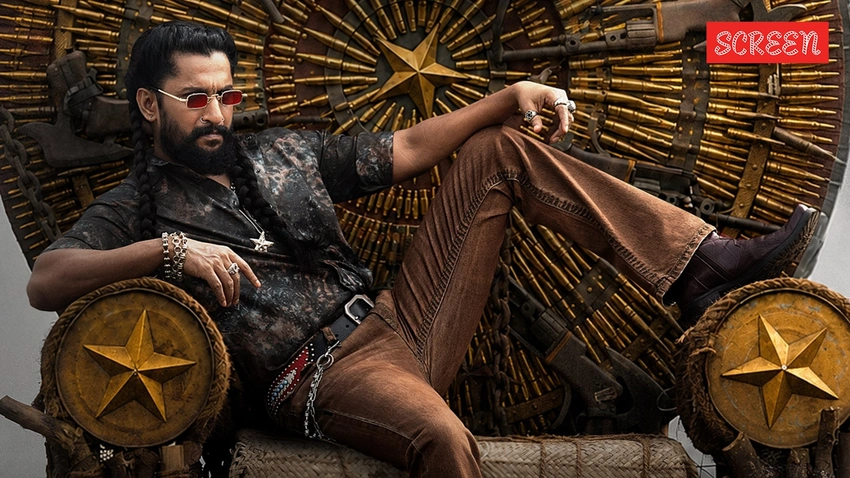
Actor Nani recently stirred up a significant conversation with his remarks about women embracing braided hairstyles. Speaking at a press event in Bengaluru for his upcoming film The Paradise, where he sports a braided look as Jadal, Nani urged women to “go back to braiding,” suggesting it enhances beauty and hair health while subtly critiquing the influence of “western culture.” This seemingly innocuous suggestion quickly escalated into a broader discussion about cultural identity, personal choice, and the role of celebrity in public discourse.
The Roots of the Remark
The discussion began when Nani turned a journalist's observation about men imitating women's habits into an appeal for women to re-adopt braids. He nostalgically recalled school days where female classmates sported braids, linking it to healthier, thicker hair, and contrasted it with contemporary hair fall complaints. His statement, “Somewhere, we are getting inspired by western culture.
Let's go back to braiding women's hair. I hope Jadal brings the braid trend back,” highlights a common sentiment about preserving traditional aesthetics.
The Inevitable Backlash
Predictably, the internet reacted swiftly. Criticism ranged from questioning Nani's authority to dictate women's hairstyles, with one user sarcastically asking, “How can you make such statements without having long hair?”, to pointing out perceived hypocrisy.
Another comment highlighted the irony:
I don't see him wearing a dhoti, wearing western clothes while criticising western ideology is so funny.
These reactions underscore the sensitivity around unsolicited advice on personal appearance, especially when it comes from public figures.
Cultural Identity vs. Individual Autonomy
Nani's comments inadvertently tapped into a larger, ongoing debate about cultural preservation versus individual autonomy. While his intent might have been to promote what he sees as a beautiful, traditional practice, it quickly became entangled with the complex expectations placed on women regarding their appearance and adherence to cultural norms.
In an era where self-expression is highly valued, any suggestion that implies a prescriptive standard for women can be met with resistance.
This incident is a prime example of how celebrity opinions, no matter how well-intentioned, can ignite a firestorm when they touch upon personal choices and cultural sensitivities. It forces us to reflect on the boundaries of public commentary and the evolving landscape of cultural identity in a globalized world.
What Does This Tell Us About Public Discourse?
The swift and varied reactions to Nani's remarks demonstrate the power of social media to amplify and scrutinize celebrity statements.
It's a constant reminder that in today's interconnected world, every public utterance by a prominent personality is subject to intense interpretation and debate.
It's about navigating the delicate balance between cultural pride, individual freedom, and the pervasive influence of public figures on societal conversations.

Login to comment.
No thots yet. Be the first to share your thoughts!