How David Bowie's Ziggy Stardust Altered Music Forever


How David Bowie's Ziggy Stardust Altered Music Forever
Explore how David Bowie's iconic Ziggy Stardust persona revolutionized glam rock, blurred gender lines, and created a blueprint for alter-ego artistry that continues to inspire.
Right from the opening guitar riff of 'Five Years', David Bowie's 1972 masterpiece, 'The Rise and Fall of Ziggy Stardust and the Spiders from Mars', wasn't just an album; it was a cosmic explosion. It shattered conventions, painted rock music in glitter and extraterrestrial hues, and solidified Bowie's status as the ultimate musical chameleon. It's the story of how an alien rock star changed the trajectory of popular culture forever.
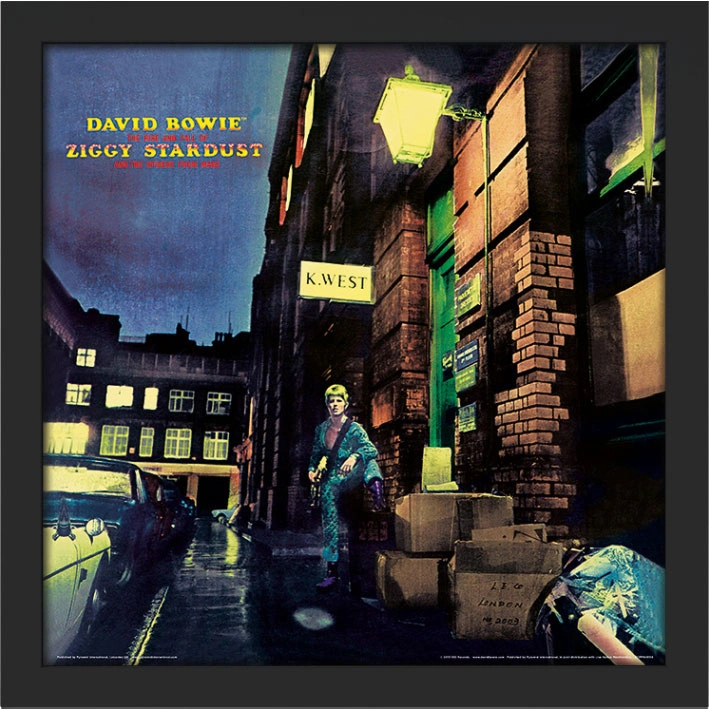
The Glam Rock Manifesto
Before Ziggy, glam rock was already shimmering, but Bowie injected it with a conceptual depth and theatricality previously unseen.
Think T-Rex and Slade as the catchy, fun party-starters-Bowie made it high art.
He synthesized diverse influences, from kabuki theatre to science fiction, creating a look and a sound that defined an era.
His vision was a potent cocktail of artifice, androgyny, and existential angst, all wrapped in platform boots and flamboyant costumes.
Glam rock wasn't just a sound; it was an attitude, and Ziggy Stardust was its flamboyant prophet.
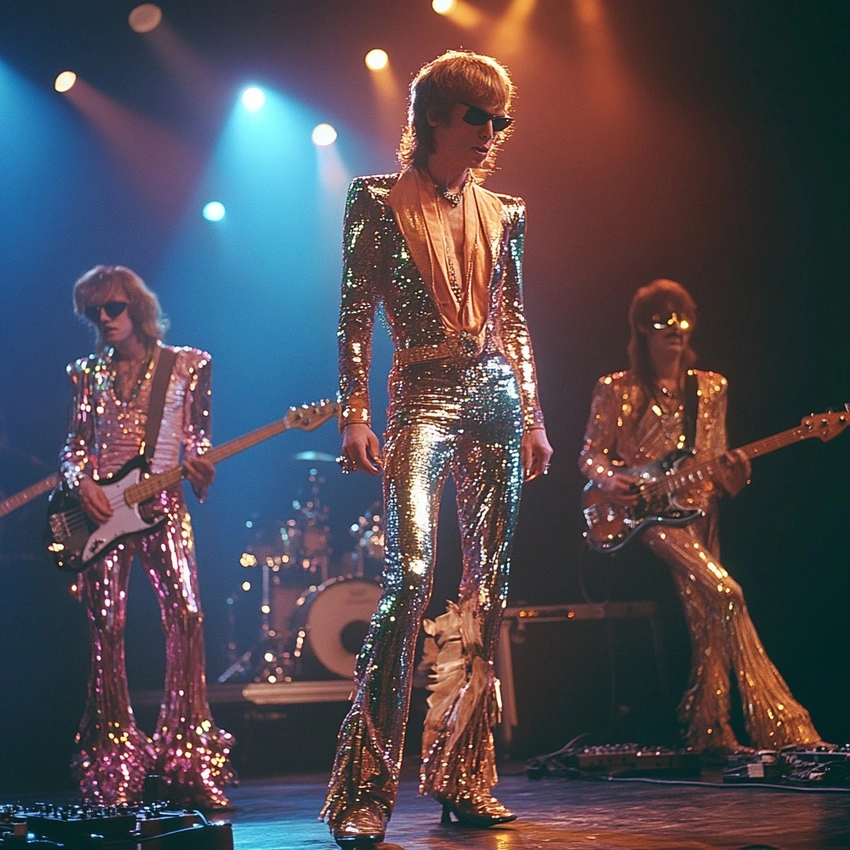
Crafting the Cosmic Messiah
Ziggy Stardust wasn't just a stage name; he was a fully-formed entity, an alien messiah sent to Earth to deliver a message of hope and rock 'n' roll before an impending apocalypse. Bowie lived and breathed this character, famously claiming, " Ziggy was the ultimate rock star. He was part Elvis, part Japanese kabuki, part gay drag queen, part space alien.
" This blurring of lines-between artist and art, male and female, human and extraterrestrial-was revolutionary. It gave permission for countless artists and fans to explore their own identities without boundaries.
The Sound and the Fury
Musically, the album is a powerhouse. Alongside the Spiders from Mars-Mick Ronson's searing guitar, Trevor Bolder's bass, and Mick Woodmansey's drums-Bowie crafted an urgent, propulsive sound. Tracks like 'Starman', 'Suffragette City', and the title track itself are anthems of youthful rebellion and cosmic yearning.
The narrative arc, from Ziggy's arrival to his ultimate demise, unfolds with dramatic flair, making it one of rock's most compelling 'rock operas', even if Bowie never officially labeled it as such.
It's a masterclass in storytelling through sound.

Ziggy's Enduring Stardust
Even after Bowie famously "killed off" Ziggy in 1973, the character's stardust lingered. The legacy of Ziggy Stardust isn't just in its iconic imagery or catchy tunes; it's in the permission it granted. It taught us that artifice could be authentic, that gender was fluid, and that rock music could be a profound vessel for complex ideas.
Countless artists, from Lady Gaga to Janelle Monáe, owe a debt to Bowie's fearless persona building.
Ziggy Stardust remains a vibrant testament to the power of imagination and the enduring allure of the alien rock star. So, who's ready for a re-listen?

Login to comment.
No thots yet. Be the first to share your thoughts!