Bangladesh's first female PM Khaleda Zia dies at 80, ending an era

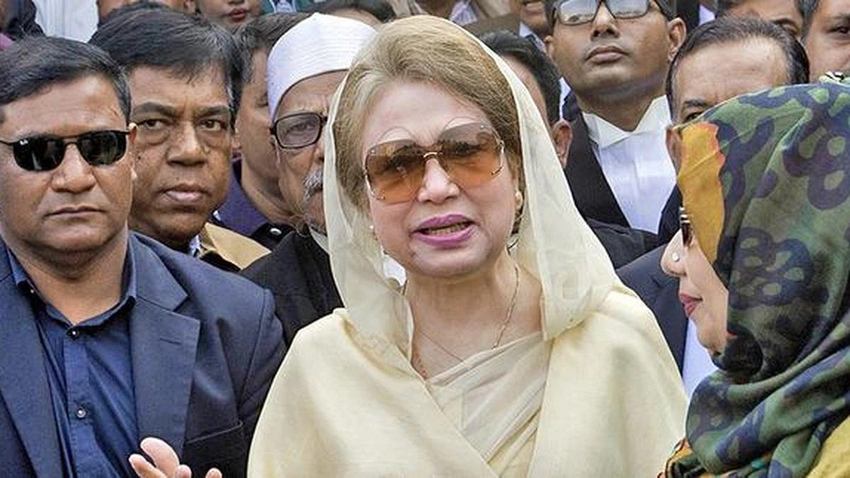
Bangladesh's first female PM Khaleda Zia dies at 80, ending an era
Khaleda Zia, Bangladesh's first female prime minister, dies at 80 after a long illness, as mourners and a political nation reflect on her legacy.
Khaleda Zia, Bangladesh's former prime minister and BNP chairwoman, has died at the age of 80 after a prolonged illness. Her doctors had previously described her condition as serious, noting a battle with advanced liver cirrhosis along with arthritis, diabetes, and issues related to the chest and heart. The news sends a wave of mourning through a nation that has long balanced between rivalry and resilience in its political landscape. Her life in the public eye spanned decades of leadership, opposition, and outsized influence on the country’s direction and its democratic processes.
In a show of collective sorrow and respect, the Bangladesh Nationalist Party declared seven days of official mourning. Black flags will be raised at the party’s central office in Nayapaltan and at BNP offices across the country. Leaders, activists and supporters are expected to wear black badges to honour her memory while kneading into the national consciousness the sense that a long political chapter has closed. Doa mahfils (prayer gatherings) and Quran recitations are planned at BNP venues and other locations nationwide as a way for the public to join in the remembrance. Condolence books have been opened at the BNP central office, the chairperson’s Gulshan office in Dhaka, and at district offices so people can pay their respects.
Khaleda Zia’s emergence as a political force was historic: she became Bangladesh’s first female prime minister in 1991 after the country’s first democratic election in two decades. Her leadership with the Bangladesh Nationalist Party left an indelible mark on the nation’s political narrative and on the role of women in public life. As Bangladesh processes the loss, many reflect on the impact of her tenure, the cycles of opposition and governance, and the unresolved debates surrounding her era. Her passing invites a broader conversation about the country’s future trajectory and the paths for dialogue among competing political forces.
