Rajagopalachari bust replaces Lutyens bust at Rashtrapati Bhavan

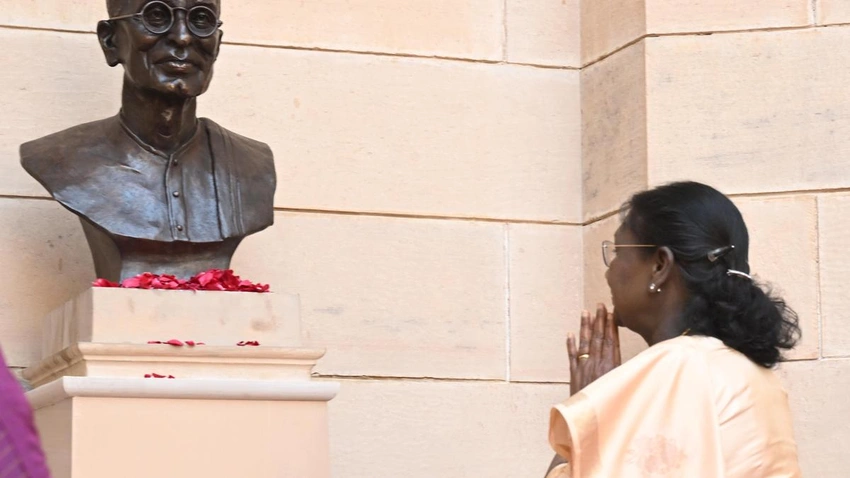
Rajagopalachari bust replaces Lutyens bust at Rashtrapati Bhavan
Rashtrapati Bhavan unveils Rajagopalachari's bust, replacing Lutyens, as part of mental decolonisation and ahead of the Rajaji Festival.
In a high-profile symbolic move at Rashtrapati Bhavan, the bust of Chakravarti Rajagopalachari, the first and only Indian Governor General, has replaced the bust of Edwin Lutyens, the architect associated with many New Delhi structures, at the Grand Open Staircase near Ashok Mandap. The change is described by the presidency as part of a series of steps toward shedding vestiges of the colonial mindset and honouring those who served Bharat Mata with extraordinary contributions. Rajagopalachari’s stature stands at the heart of a broader conversation about national memory and public symbols.
President Droupadi Murmu helped unveil the new bust, and Prime Minister Narendra Modi announced that a “Rajaji Festival” will be celebrated at Rashtrapati Bhavan on Monday, featuring the unveiling of Rajagopalachari’s statue. The moment has been framed as a concrete instance of mental decolonisation, spotlighting Rajaji’s public life and his role in India’s governance during the independence era.
The replacement, which situates Rajagopalachari in a prominent position on the staircase that greets visitors, marks a deliberate shift in how India’s early post-independence leadership is commemorated in the country’s seat of power. The act has been described as a step toward re-centering Indian leadership narratives within Rashtrapati Bhavan itself, aligning with a broader national discussion about cultural heritage and identity. As the nation reflects on its colonial past, officials say such changes may become a catalyst for further dialogue about monuments and memory in public spaces.
