Outdated Chores? Priyanka Chopra & Experts Redefine Household Equity!

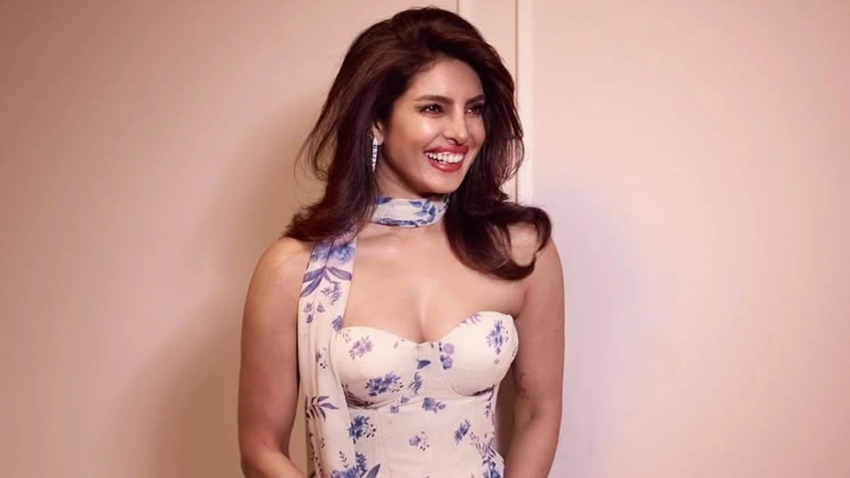
Outdated Chores? Priyanka Chopra & Experts Redefine Household Equity!
It's time to ditch traditional gender roles at home! From Priyanka Chopra's take on 'women's work' to expert insights, discover how to build truly equitable and balanced partnerships without resentment. #GenderRoles #Mod
The conversation around gender roles in modern households is evolving rapidly, challenging long-held beliefs about who does what. We're witnessing a powerful shift, fueled by prominent voices and expert analysis, pushing us towards truly equitable partnerships.
Priyanka Chopra recently sparked dialogue by emphasizing that tasks like ‘cleaning and cooking aren’t women’s work.’ This isn’t just about chores; it’s about a fundamental re-evaluation of expectations within relationships. Chopra also highlighted a parallel transformation in the entertainment industry, noting how aspiring creators no longer need to navigate traditional gatekeepers. “If you feel like you have an idea, shoot it, put it on YouTube, and it can become Obsession, the movie that just came out right now,” she observed. This mirrors a broader societal trend: breaking down old barriers and empowering individuals to forge new paths, whether in filmmaking or in how we structure our home lives.
The Stubborn Grip of Tradition
Despite these advancements, traditional ideas about gender continue to shape expectations at home. Why does this persist? Gurleen Baruah, an Existential Analyst at That Culture Thing, sheds light on this. She explains, “Many of these beliefs are rooted in conditioning and traditional gender roles that have been passed down through generations.” It's a powerful point: families often unconsciously repeat patterns they grew up seeing, perpetuating the idea that household responsibilities are tied to gender rather than being shared life duties.
When Imbalance Strikes
While an unequal division of labor might not automatically damage a relationship if both partners genuinely agree, the real trouble starts when the imbalance becomes persistent, feels unfair, or goes unacknowledged. Baruah warns that this can “gradually lead to resentment, emotional exhaustion, burnout, and relationship strain.” Imagine one partner feeling perpetually unseen or taken for granted—that’s a recipe for breakdown.
Building a Fairer Future
So, how do we move forward? The solution lies in conscious effort and communication. “Healthy relationships are not built on rigid roles but on fairness, mutual respect, and the ability to adapt as life circumstances change,” Baruah advises. This isn't about perfectly splitting every single task 50/50, but about a dynamic agreement that evolves with life’s demands and respects both partners’ contributions and well-being.
It’s about understanding that ‘women’s work’ and ‘men’s work’ are outdated concepts. In a world where digital platforms empower anyone to become a filmmaker and career paths are increasingly diverse, our home lives must reflect this same spirit of adaptability and equality. Let’s foster homes where responsibilities are seen as shared, where mutual respect thrives, and where both partners feel valued and supported.
