Starmer Defends Plan to Align UK Rules with EU via Henry VIII Powers

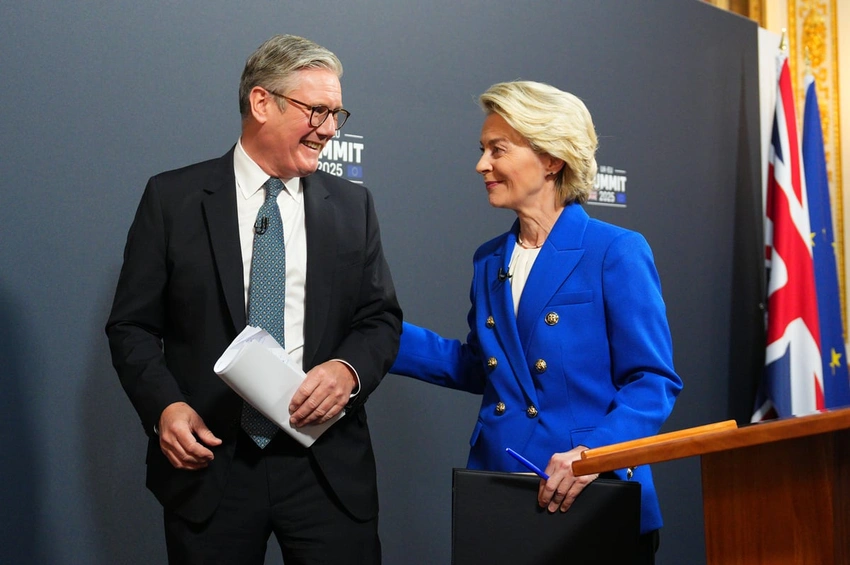
Starmer Defends Plan to Align UK Rules with EU via Henry VIII Powers
Keir Starmer argues a new bill will let the UK dynamically align with EU rules to ease trade, while Parliament still oversees changes.
Keir Starmer has defended a plan to align the UK's rules more closely with those of the EU by using powers usually reserved for sweeping reforms. The government would rely on a new food and drink trade bill to enable dynamic alignment with EU rules where it has already made an agreement, while still allowing the country to quickly implement evolving single-market rules when it deems it in the national interest. The aim, proponents say, is to cut red tape for businesses and help lower prices on food and agricultural goods, a point Starmer emphasized as he outlined the potential economic benefits. He insisted the changes would occur only if Parliament passes the accompanying legislation, brushing off suggestions that this amounts to stealthy integration with the EU. In the face of global volatility, including tensions around the Iran war, Starmer argued that a closer relationship with Europe would be in the UK’s best interests across defence, energy, and the economy. Critics, including Conservative figures, have condemned the plan, accusing Labour of eroding parliamentary sovereignty and ignoring the 2016 referendum. The debate has intensified as ministers pursue an approach described by some as a reset of UK-EU ties, potentially allowing the government to adopt single-market rules without a full Commons vote. Supporters say the strategy is pragmatic governance designed to ease trade and support consumers, while opponents warn of reduced scrutiny and accountability. The discussion comes amid ongoing questions about how far executive power can stretch in pursuing regulatory alignment and how it will affect prices, supply chains, and the political balance at Westminster.
