Anthropic accuses Chinese rivals of mass AI data theft via distillation

Anthropic accuses Chinese rivals of mass AI data theft via distillation
Anthropic alleges three Chinese labs used distillation to lift Claude’s capabilities, signaling safety and export-control concerns in frontier AI.
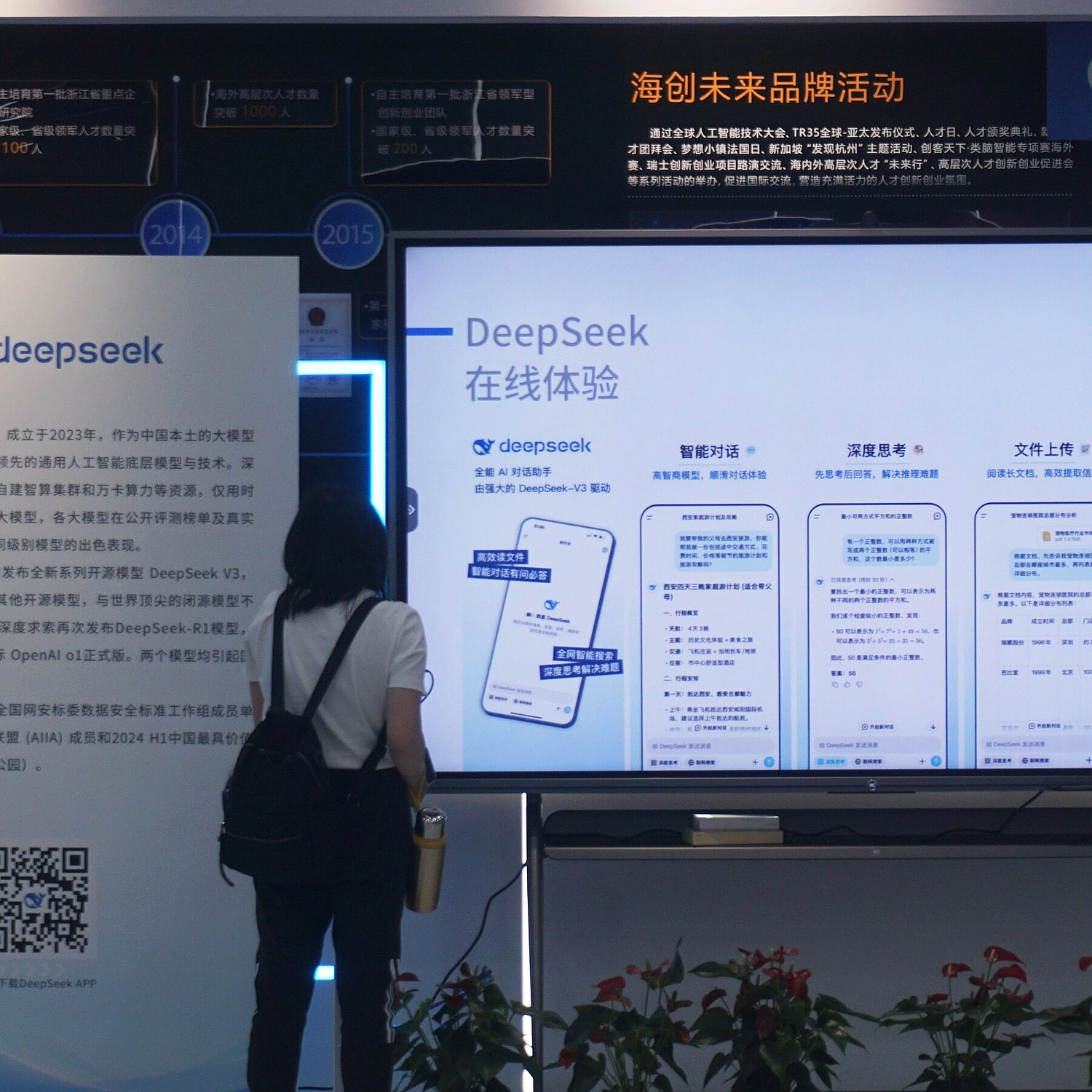
Anthropic said the campaigns involve three Chinese AI firms—DeepSeek, Moonshot AI, and MiniMax—illicitly extracting capabilities from its Claude chatbot by using a technique known as distillation, which leverages outputs from a more powerful model to boost a less capable one. The company warned the campaigns are growing in intensity and sophistication, noting about 16 million exchanges with Claude and 24,000 fake accounts that enabled the siphoning of capabilities not independently developed.
Distillation is a common AI development practice, but the scale and approach described raise questions about how such models might bypass safeguards and export controls designed to preserve safety and national security. Anthropic argued that models built through illicit distillation are unlikely to retain the safety guardrails meant to prevent misuse, such as helping design bioweapons or enabling cyberattacks.
OpenAI, a major rival in frontier AI, recently made similar accusations regarding Chinese firms attempting to ride on the capabilities of leading U.S. models, highlighting a broader global tension over access to and control of powerful AI tech. The allegations underscore ongoing debates about governance, safety, and enforcement as nations scramble to regulate rapid AI advancement.
The case emphasizes the tension between rapid AI innovation and the need to protect intellectual property and public safety. It also points to the importance of stronger scrutiny of how models are trained and how access to advanced AI capabilities is regulated in an increasingly competitive landscape.
