Hungary's Orban Faces Pivotal Election: Illiberal Rule vs Pro-EU Opposition

Hungary's Orban Faces Pivotal Election: Illiberal Rule vs Pro-EU Opposition
Hungary heads to a defining vote as Viktor Orban defends 16 years in power amid illiberal democracy debates and a pro-EU opposition.
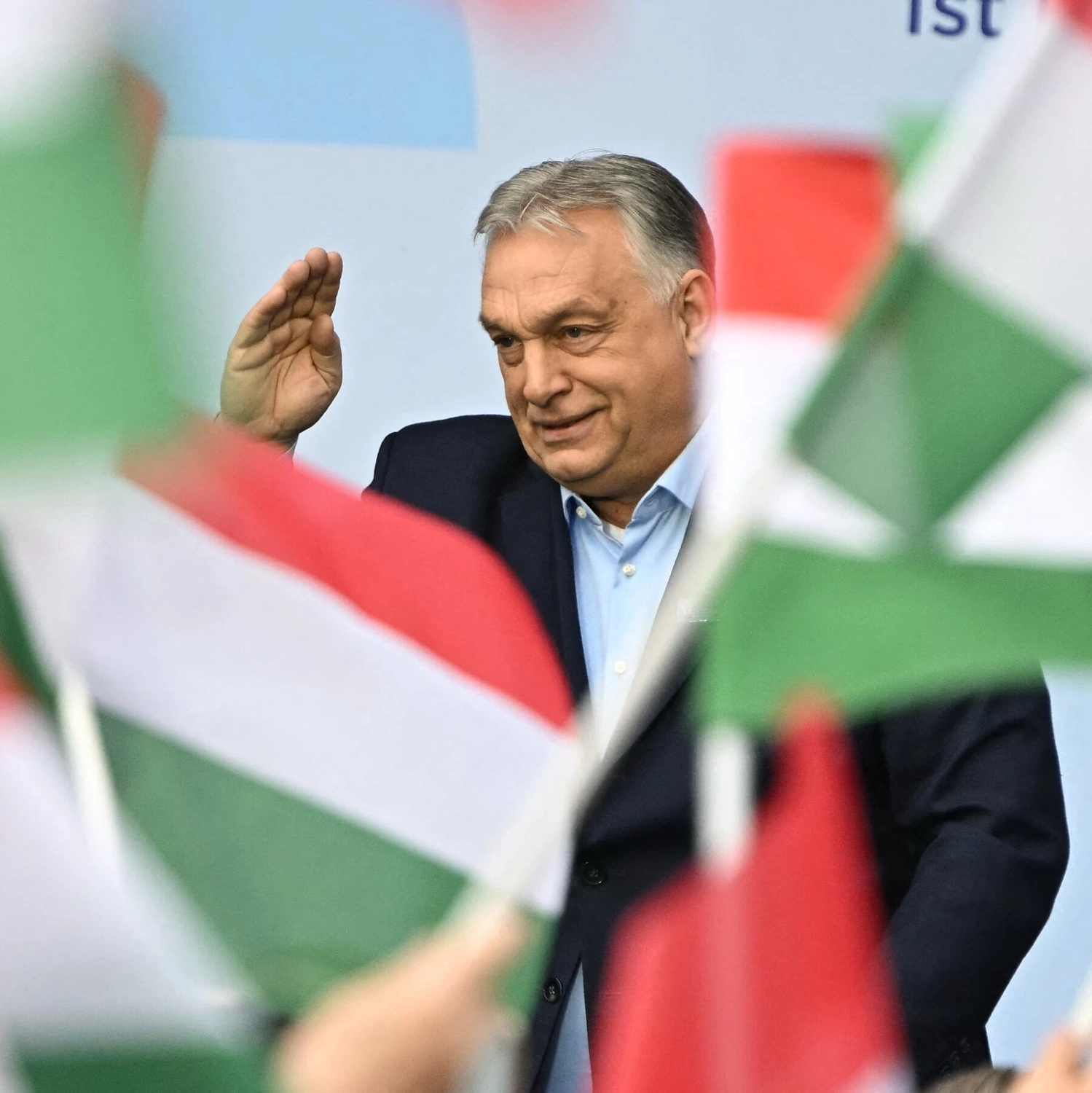
Budapest braces for a defining vote as Viktor Orban defends a 16-year grip on power, a period many observers describe as illiberal democracy. The contest is framed as a choice between a continued path of centralized control and a renewed push toward Western democratic norms, with the Prime Minister entrenching his position in the face of growing scrutiny from European partners. The ruling party argues that stability and national sovereignty are at stake, while opponents warn that unchecked power could erode civil liberties and democratic norms.
Across the aisle, the opposition has rallied around a platform that pledges to restore Hungary’s Western orientation toward the EU and NATO. The campaign led by Péter Magyar has emphasized European alignment, rule of law, and fresh reforms aimed at broadening political participation and institutional checks. A smaller opposition coalition, including the Tisza party, seeks to persuade voters that a change in leadership is necessary to reverse trends seen as drifting away from liberal democratic norms.
In the final stretch before polling, polls had shown the opposition gaining ground, suggesting a potential shift after more than a decade and a half of Fidesz dominance. Yet a last-minute development could swing the race: a high-profile visit by JD Vance to Budapest, seen as providing a boost from influential international allies, including signals from the Trump administration. Analysts say such outside interventions highlight how Europe’s political battlegrounds are closely watched by both regional neighbors and global power centers.
If the opposition succeeds, it would mark a significant juncture for Hungary and a notable setback for pro-Russian and populist movements in Europe. If Orban adds another term, supporters argue, the country would continue to prioritize national sovereignty and pragmatic governance—though critics contend the price could be higher levels of central control and a more ambiguous stance toward Russia. The verdict comes on Sunday, April 12, and, whatever the outcome, is poised to reverberate across Europe’s political landscape.
