West Bengal records record turnout amid SIR roll changes and two-phase voting

West Bengal records record turnout amid SIR roll changes and two-phase voting
Turnout nears 92% in West Bengal, but experts say the spike stems from a low-base effect due to SIR roll clean-up, raising questions about the electorate size.
West Bengal wrapped up its assembly polls in two phases with a turnout near 92%, the highest in the state’s electoral history according to provisional figures. Yet a closer look suggests the record might be driven more by a low-base effect than a sudden surge in participation, as Special Intensive Revision shrank the electorate by about 11% from 7.66 crore to 6.82 crore.
The SIR exercise, implemented amid controversy, reduced the number of eligible voters and created a backdrop against which turnout reached its peak. The pattern mirrors recent observations in other states, where record participation often follows a shrinking base rather than a broad rise in voter engagement.
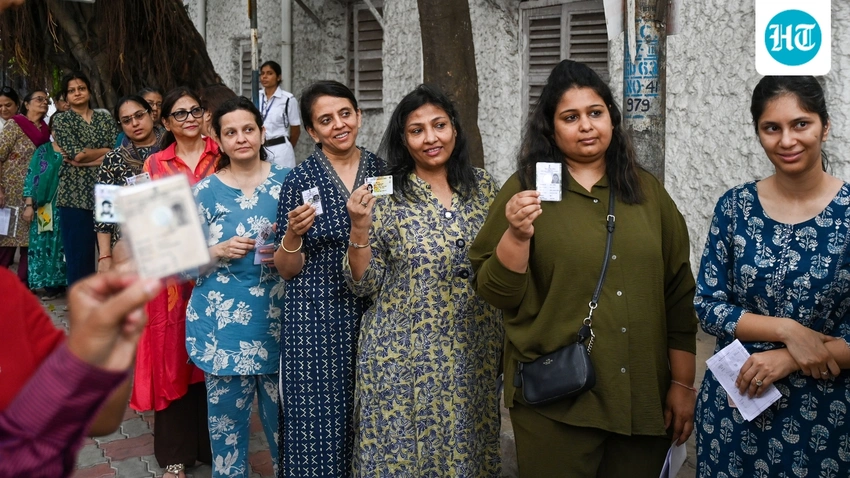
Across Phase I and Phase II, the total turnout stood at about 92.42%, marking the highest turnout since independence. The election also featured heightened security and a spotlight on state politics, as the chief minister accused the BJP of attempting to rig the vote at Bhabanipur, the capital’s high-profile constituency.
Analysts note that while high turnout is often touted as a sign of robust democracy, the nuanced context here—namely, the base reduction from SIR—complicates the interpretation of the numbers. The two-phase format, unprecedented security levels, and the attention on voting in Bhabanipur contribute to this as one of the most-watched electoral episodes in recent Indian history.
As results approach, observers caution that the headline figure may mask the underlying shift in the electorate size. Still, the momentous turnout will likely define the political narrative in the weeks to come, shaping campaign strategies and public sentiment ahead of future elections.
