NASA’s Silent Supersonic Jet Finally Breaks The Sky and The Rules

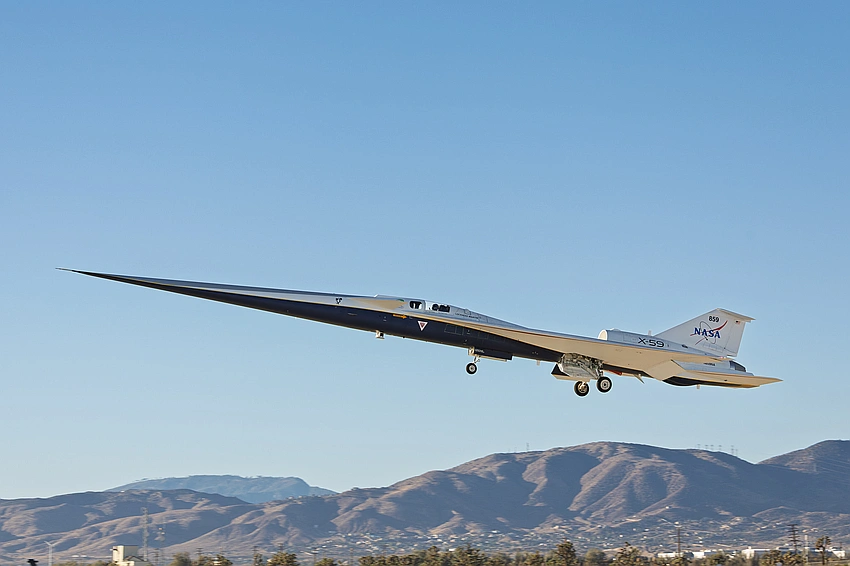
NASA’s Silent Supersonic Jet Finally Breaks The Sky and The Rules
NASA’s Silent Supersonic Jet Finally Breaks The Sky and The Rules
NASA’s X‑59 completes its first flight, proving quiet supersonic travel is real
NASA has crossed a line the world thought was fixed. The X‑59, its experimental quiet‑supersonic jet, has completed its first flight. And it didn’t shake the ground. It didn’t rattle windows. It didn’t unleash the explosive sonic boom that has banned supersonic travel over land for decades. It simply flew.
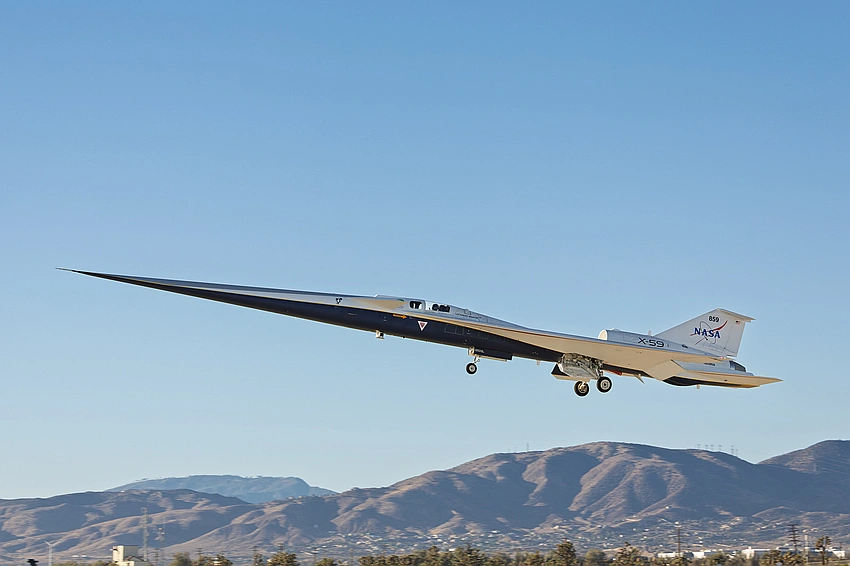
The aircraft lifted off from Palmdale, California, marking a milestone in NASA’s Quesst mission. The jet stayed airborne for over an hour, performing basic handling checks and validating its unique design. The long, needle‑like nose. The single‑seat cockpit. The engine mounted on top to redirect shockwaves. Every detail exists for one purpose: silence.
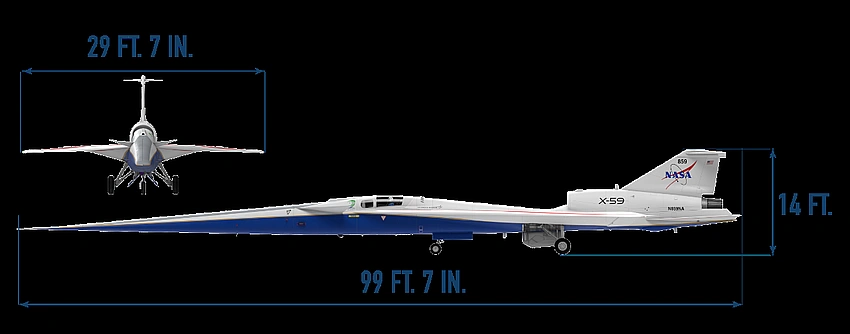
NASA wants to replace the sonic boom with a “sonic thump”. A sound so soft that communities barely notice it. If the agency succeeds, regulators could finally reconsider the 1973 ban on supersonic flight over land. That means New York to Los Angeles in half the time. Global travel reimagined. Entire industries reshaped.
The first flight also revealed something else: confidence. The cockpit footage shows a smooth climb, steady control, and a jet behaving exactly as engineers hoped. Lockheed Martin’s Skunk Works team built the aircraft with one goal—prove that speed and silence can coexist.
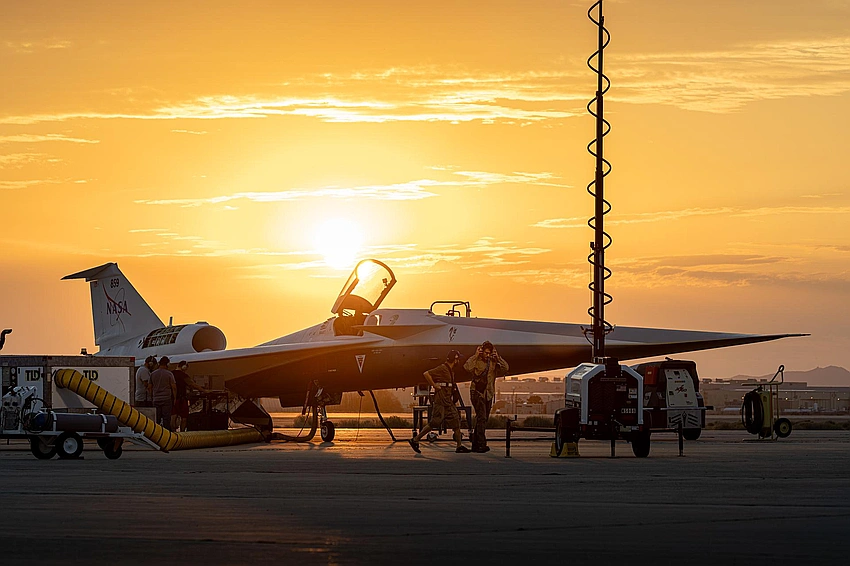
NASA will now begin community testing. Real towns. Real people. Real reactions. Their feedback will decide the future of supersonic travel. It is the first crack in a barrier that stood untouched for 50 years. The X‑59 is no longer a concept. It is a working machine rewriting aviation’s rules.
Source: NASA 🔗
