Meta's Muse: Can Big Tech Ever Truly Build Trust?

Meta's Muse: Can Big Tech Ever Truly Build Trust?
Meta's new AI, Muse, aims for consumer ubiquity. But can a company with its history of data and privacy concerns truly earn user trust for sensitive information? We dive into the big question.
Can Meta's AI Break Free from its Past?
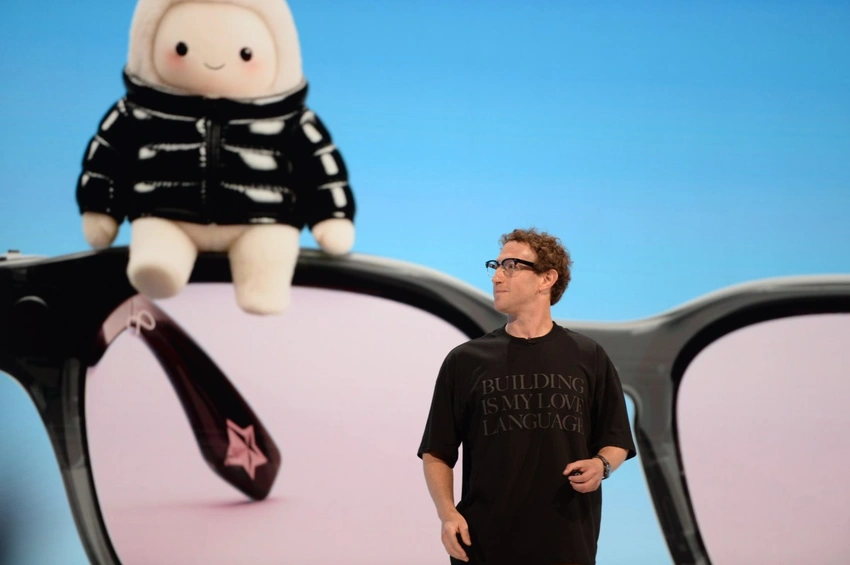
Meta's annual Connect event put a spotlight on something unexpected: a strong consumer push into artificial intelligence. While companies like OpenAI and Anthropic are doubling down on enterprise solutions, Meta, under CEO Mark Zuckerberg, has unveiled its AI agent, Muse.
It's even described as a “Tamagotchi-style AI device that Meta insists is for adults only.” This move begs a crucial question: can any new tech initiative, especially in the sensitive realm of AI, truly escape the long shadow of Big Tech's past trust violations?
It's a head-spinning strategy. For months, we've seen a clear shift towards AI for business, with attention and money flowing into enterprise tools. It almost makes you wonder if Meta “didn't get the memo.” Or, perhaps, they see a different opportunity, a massive consumer market where others aren't prioritizing.
The Trust Paradox
Here’s the rub: AI agents, by their nature, are designed to integrate deeply into our lives, potentially handling highly personal information. And with Meta, the first question that arises is, 'Can users trust them?' As Sean O'Kane aptly put it, 'Meta’s business is to sell you ads.' He adds, 'And yes, they’ll make the argument that the more they know about you, the more accurate and interesting the ads will be — wake me up when we get to that fever dream.' This isn’t a new concern, but it's amplified when an AI is constantly learning about you.
My colleague, Kirsten Korosec, highlights Meta's undeniable strength: they have an established track record of embedding themselves in everyday people's lives.
Facebook, Instagram, WhatsApp: these platforms are ubiquitous.
From that perspective, a consumer-focused AI makes sense for them.
They're not an enterprise company at heart.
More Than a Party Trick?
Sean even tried Muse himself. While he was pleased it found him some unclaimed money (a genuine utility!), he ultimately described it as a 'party-trick type thing' rather than something that will drive consistent, ongoing usage. This observation is critical.
For an AI to truly earn trust and become indispensable, it needs to offer more than novelty.
So, can Meta's Muse overcome the inherent skepticism?
The company has a significant uphill battle.
Building trust takes years to earn and moments to lose.
For Meta's AI to succeed, it needs to demonstrate not just capabilities, but an unwavering commitment to user privacy that fundamentally reshapes perceptions of the company.
That's a tall order for an advertising giant.
