Your Favorite Fashion Dupe Might Be Killing Real Creativity
Your Favorite Fashion Dupe Might Be Killing Real Creativity
Is dupe culture a win for our wallets or a disaster for the future of design? Let's dive into the messy ethics of dupe-fluencing and what it means for the clothes you love.
The High Cost of Low Prices
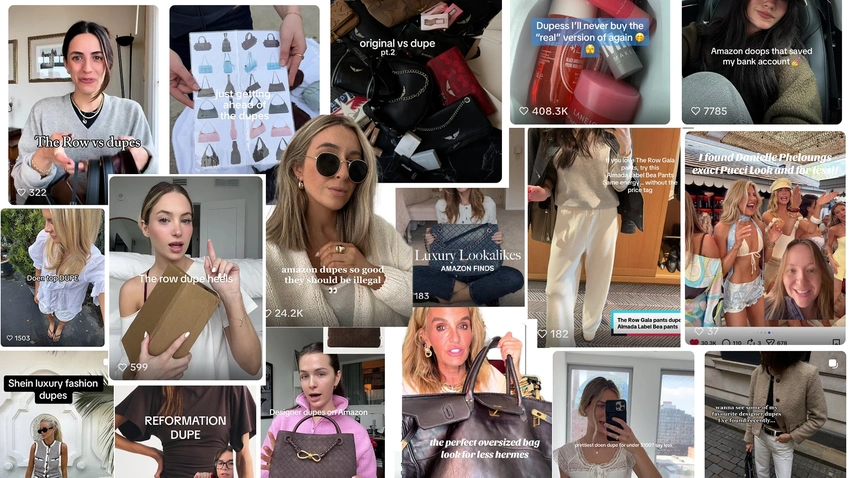
We have all been there. You see a stunning designer bag or a perfectly tailored coat on your feed, but the price tag is more than your monthly rent. Then, almost like magic, your favorite influencer posts a link to a thirty dollar version that looks nearly identical. It feels like a win for the everyday consumer. This is the era of dupe-fluencing, and while our bank accounts might be happy, the soul of the fashion industry is facing a serious crisis.
The Rise of the Copycat Economy
Influencers have realized that their followers are hungry for high-end aesthetics without the high-end prices. Linking to these cheaper alternatives has become a massive revenue stream for creators. It is a simple formula: find a trending item, locate a budget lookalike, and share the affiliate link. But this shift has created a massive tension between the people making the clothes and the people promoting them. When creators prioritize quick commission over the integrity of original design, the entire ecosystem begins to shift.
Why It Matters
Fashion is more than just fabric; it is a result of months of creative labor, risk-taking, and craftsmanship. When a design is ripped off before the original even hits the shelves, the incentive to innovate disappears. If a brand spends significant resources developing a unique silhouette only to have it cloned by a fast-fashion giant in days, the creative process is essentially devalued. If nobody buys the original, who will fund the next big trend?
Is It Just Elitism?
Some argue that complaining about dupes is just a way for luxury brands to keep fashion exclusive. They believe that everyone deserves to look stylish regardless of their income level. However, there is a big difference between an inspired-by piece and a blatant copy that uses the same hardware and stitching patterns. One honors a trend, while the other steals an identity.
The Bottom Line
We have to ask ourselves what kind of industry we want to support. Do we want a world where every outfit is a cheap imitation of a stolen idea? Or do we value the original thinkers who push boundaries? Supporting our favorite creators is great, but when that support comes at the expense of original design, we might just be fueling a cycle that kills the very art we claim to love. It is time to think twice before we click that link.
