MUNA Says NO to AI Music: Is Art Safe From Algorithms?
MUNA Says NO to AI Music: Is Art Safe From Algorithms?
Synth-pop darlings MUNA are outspoken about their disdain for AI music. This sparks a vital conversation: How do we protect artistic integrity in an age of algorithmic creativity?
It’s no secret that the synth-pop powerhouse MUNA is less than thrilled with the rise of AI music. Their stance brings a crucial question to the forefront of the music industry: In an era where algorithmic creativity is rapidly advancing, do artists truly need protection, and what does that even look like?
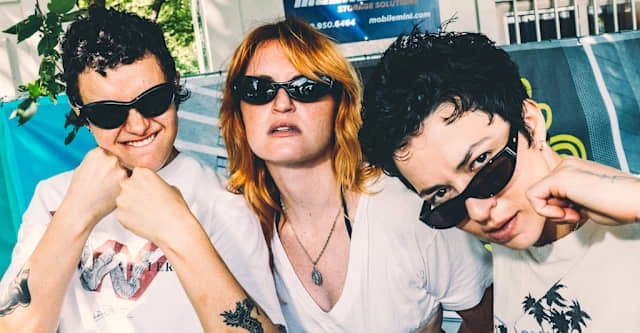
MUNA, with their latest album “Dancing On The Wall,” embodies the very essence of human artistry that AI struggles to replicate. The record, which the band members Katie Gavin, Josette Maskin, and Naomi McPherson describe as “emotional ass synthpop” with “muscle,” is a testament to the raw, often messy, and deeply personal process of creation.
It's the result of their “assured confidence and easy chemistry together,” honed over years, not lines of code. Naomi McPherson's comment about “working it out on the damn remix” for their fourth album speaks to an iterative, human-driven evolution, a far cry from the instantaneous generation of AI.
The discomfort with AI music isn't just a preference; it's a philosophical stand.
True art stems from human experience, emotion, and connection.
It's the vulnerability in Gavin's voice or the spontaneous energy between bandmates that makes MUNA's live performances, like their recent electrifying set at Lollapalooza, so captivating.
Algorithmic creativity, while impressive in its own right, fundamentally lacks this human spark. It can mimic, synthesize, and recombine, but can it feel ? Can it convey the nuance of a lived experience, or the intention behind a deeply personal lyric?
This isn't about resisting technological advancement, but rather about safeguarding the integrity of artistic expression. The danger isn't just about soulless music; it's about fair compensation, proper attribution, and ensuring that the unique contributions of human artists aren't diluted or devalued.
If AI-generated tracks flood the market, how do emerging human talents like ADÉLA or KATSEYE, whom MUNA openly respect, find their voice and a sustainable career path?
Protecting artists from algorithmic creativity could involve several measures: clear labeling standards for AI-generated content, robust copyright laws that prioritize human authorship, and, perhaps most importantly, a conscious effort from listeners and the industry to champion authentic, human-made music.
MUNA's strong feelings on this aren't just a headline; they're a rallying cry for an industry at a crossroads.
As we navigate this “new era” of music, let's ensure it's one that celebrates the irreplaceable magic of human creativity.
