Sustainable leather used as Art Material.

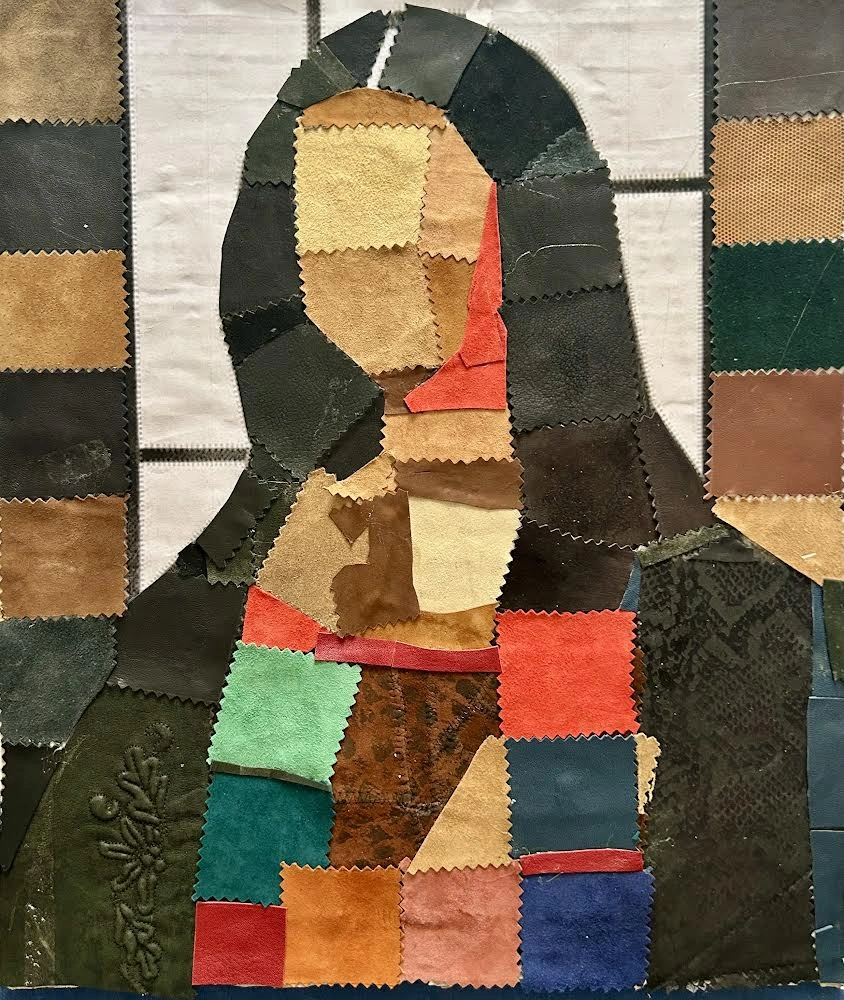
Sustainable leather used as Art Material.
Leather and Art - a sustainable approach 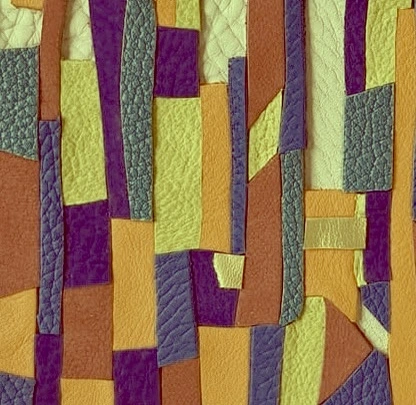
Leather, when used as an art material, carries a unique identity because of its texture, durability, and cultural symbolism. Artists across history and contemporary practice use it in diverse ways:
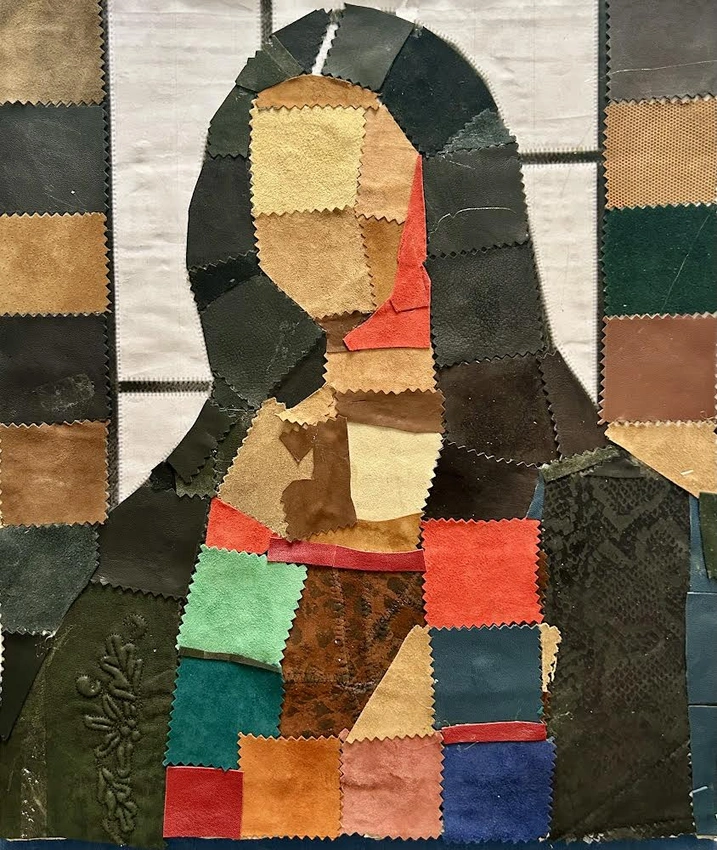
Leather can be a striking and versatile material in art installations. Artists use leather in both traditional and unconventional ways to evoke emotion, explore themes, or create immersive environments. Whether artists use it in sculptures or sustainable art, leather makes a bold statement in the world . Leather is now becoming a unique canvas for artistic expression and innovation.
Leather is now increasingly being used in sustainable art movements, where waste scraps are transformed into aesthetic, meaningful pieces instead of being discarded.
What is sustainable leather
Sustainable leather or “eco-friendly leather” is a trade term to describe leather that is sourced in various ecologically or animal-friendly ways. This includes the creation of leather substitutes from plant fibers and other materials, many of which are made with processes that are—ironically—harmful to the environment.
In simple words, Plant-based Leather is leather-like material yielded in a way where no animals are exploited or slaughtered. It’s a leather-like material that isn’t made from the skin of animals plus it’s holding wholly distinct ethical values from synthetic leather.
Plant-based leather is made from plant materials such as mushrooms, fungi, pineapple, cactus, Apple, mangoes and many other natural substances. Plant-based leather drawn from agricultural waste, uses nominal water and chemicals, decreasing carbon emissions as compared to pure synthetics.
Type of plant-based leather
Currently, various researchers are working to generate new plant-based materials parallel to leather, but far more ecologically cruelty-free.
Eco friendly leather like Pineapple leather, Lino, Apple, Cactus and Mylo mushroom are all Plant-based leathers which are high-quality leather alternatives at a comparable price to leather.
Conclusion
In conclusion, leather is much more than a traditional material for fashion and furniture. Instead, it has emerged as a powerful artistic medium offering endless creative possibilities. As more artists explore its potential, leather continues to evolve, bringing innovation to both the art world and the design industry.
Pic courtesy: Shruti Arts ( Shruti Vij Artwork)
