Ferrari’s Electric Gamble with Jony Ive’s Buttons

Ferrari’s Electric Gamble with Jony Ive’s Buttons
Ferrari’s Electric Gamble with Jony Ive’s Buttons
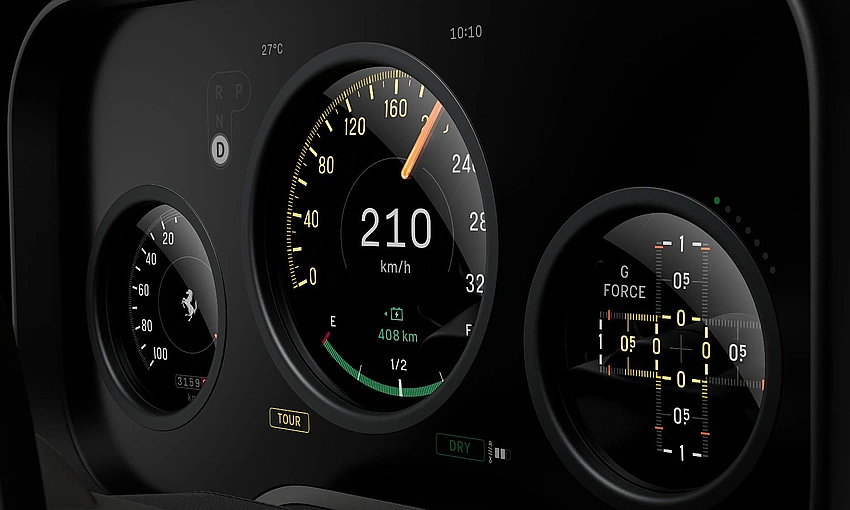
Ferrari’s first EV Luce rejects touchscreens for tactile buttons designed by Jony Ive. A bold move that challenges the smartphone-inspired car interiors.
Ferrari has finally revealed the interior of its first electric car. The Luce, meaning light in Italian, is not just another luxury EV. It is a statement. And the man behind that statement is Jony Ive, the designer who once gave us the iPhone.
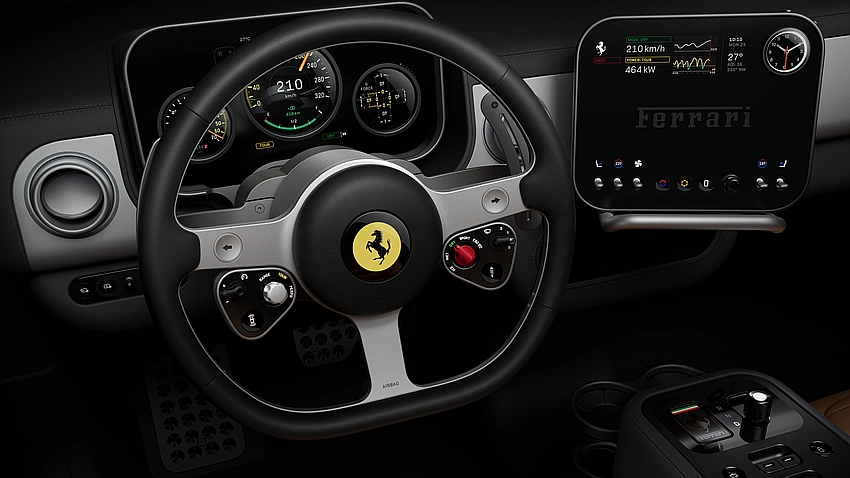
For years, carmakers chased the smartphone dream. Big touchscreens, glossy dashboards, endless swipes. Driving became scrolling. Ive has now flipped that script. He has put buttons back. Real buttons. Aluminium toggles, glass switches, rotary dials. Controls that you can feel, not just see.
The steering wheel is thin, tri-spoked, inspired by Ferrari’s racing heritage. Paddle shifters adjust regenerative braking. Knobs and toggles manage airflow and torque. Even the key is designed with tactile satisfaction. This is not nostalgia. It is precision. Ive insists cars are not phones. They are machines built for motion.
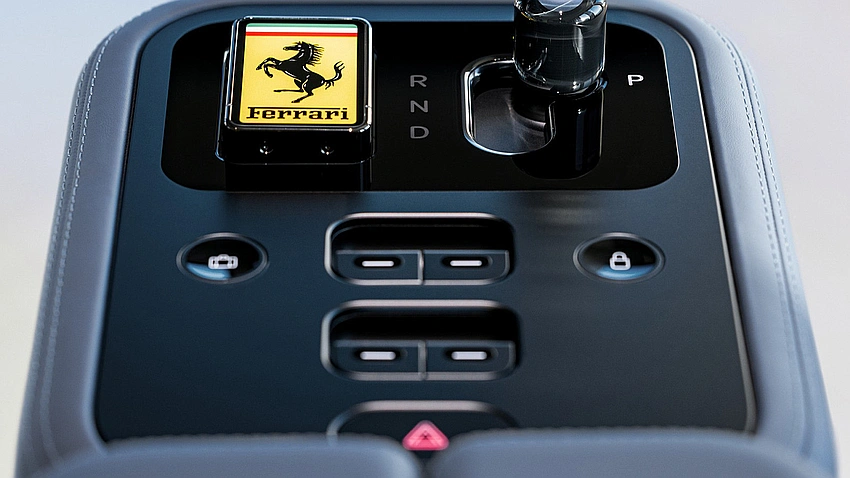
Ferrari’s gamble is clear. In a market obsessed with digital dashboards, it is betting on touch, texture, and restraint. The Luce’s cabin is a blend of analog and digital. Screens exist, but they do not dominate. Instead, the driver’s hands remain engaged. The philosophy is simple. Solve the right problem. Make driving better, not busier.
This move could ripple across the industry. If Ferrari succeeds, others may follow. If it fails, it will still stand as a bold refusal to surrender driving to software. Ive has once again reminded us that design is not about more. It is about meaning.