Re-Reading 'Where the Crawdads Sing': Still Unhinged, Still Obsessed?
Re-Reading 'Where the Crawdads Sing': Still Unhinged, Still Obsessed?
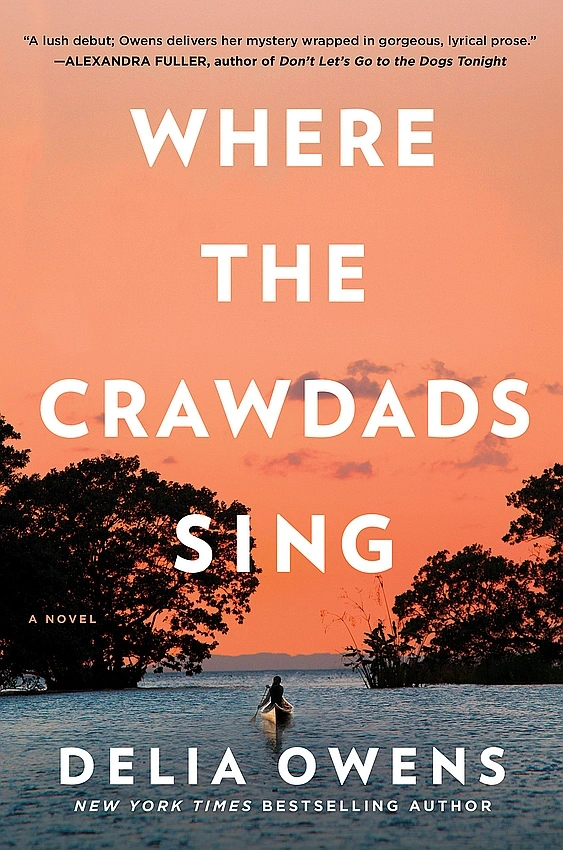
Revisiting Delia Owens' 'Where the Crawdads Sing' was a journey! The highs, the lows, and that *ending*. We need to talk about the twists and turns and why it still lives rent-free in my head.
Remember when Where the Crawdads Sing dropped like a bomb on the literary scene? It was everywhere . Book clubs, airport kiosks, your mom's nightstand-you couldn't escape the marsh.
Then came the movie, solidifying its chokehold on pop culture.
But let's be real, a book's initial hype often wears off.
So, I picked it up again, years later, to see if the magic held up.
Was it still the heartbreaking, nature-infused romance everyone raved about, or would the re-read reveal some… cracks in the marsh floor? Spoiler: My brain broke, again. Let's talk.
The Marsh Magic: Why We Fell in Love (Then)
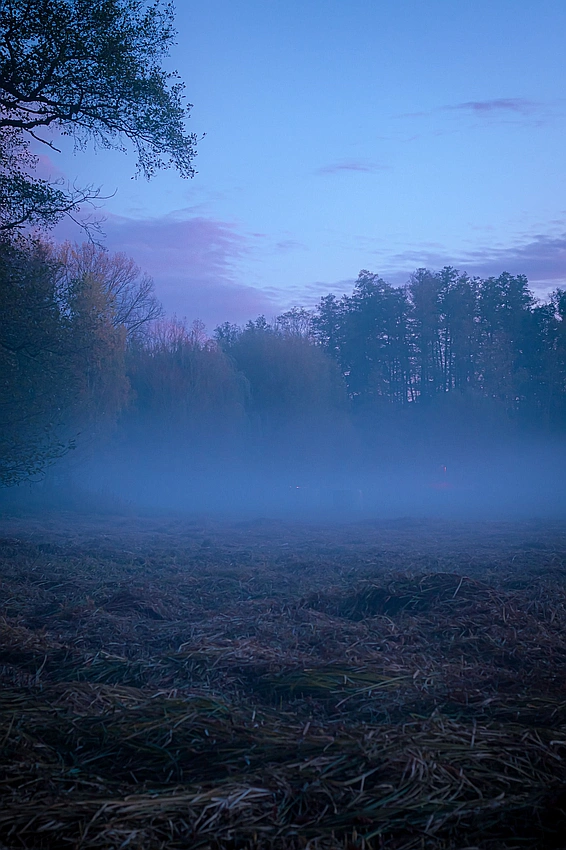
First, the highs. Oh, the highs! Delia Owens truly painted a vivid picture of the North Carolina marshlands.
It wasn't just a backdrop, it was a character-wild, unforgiving, yet utterly captivating. Kya, our 'Marsh Girl,' was a revelation. Her resilience, her self-sufficiency, her innate connection to the natural world-it was truly inspiring.
We were all rooting for her, wanting her to find love, safety, and acceptance. Who didn't get misty-eyed over her raw determination to learn and survive?
That iconic line, “Go as far as you can-farther than you can,” really struck a chord, perfectly encapsulating her spirit.
It felt fresh, romantic, and deeply moving back then.
Wading Through the Weeds: The Lows (Now)
Now, for the lows. Re-reading it, some elements felt… a bit too convenient. The isolation, while romanticized, sometimes stretched believability.
Could someone truly be that uncontacted yet that articulate and well-adjusted in certain ways? And while the romance was central, Tate's flawless patience and Jumpin' and Mabel's saintly benevolence, while lovely, felt a little too pristine. It bordered on a 'manic pixie dream girl' trope, but for the entire support system around Kya.
The 'found family' was sweet, but did it need to be that perfect? It sometimes pulled me out of the gritty reality the marsh was supposed to represent. Call me cynical, but not everyone in the Deep South is that understanding of an outsider in the 60s.
That Ending. Oh, THAT Ending. Are We All Okay?!
And then there's the ending. If you haven't read it, bless your unspoiled soul. For the rest of us, that final, mind-bending twist?
Absolutely unhinged. When I first read it, my jaw was on the floor. I literally gasped, then re-read the last few pages like three times.
On this re-read, knowing what was coming, it didn't lessen the impact; it amplified the moral ambiguity. Suddenly, everything Kya did, every quiet moment, every interaction, takes on a whole new, chilling context. It flips the entire narrative, making you question everything you thought you knew about her and justice itself.
It's like the book itself whispers, “Sometimes, to survive, you do what you have to do.” A total mic drop moment that spawned countless debates and probably a few shattered friendships in book clubs.
The Marsh's Final Whisper: Legacy or Lawsuit?
So, after all that, what's the verdict on the Marsh Girl's legacy? Where the Crawdads Sing is still a captivating read, albeit one that feels a little less groundbreaking and a little more… well-trodden, in parts. But that ending?
It remains a masterclass in narrative shock and truly cements its place in the 'books that made us lose our minds' hall of fame. It's a reminder that stories can challenge our perceptions of right and wrong, and sometimes, the wild places hold the darkest secrets. What are your thoughts on the ending?
Did it make you love or hate the book?
Let's spill the tea in the comments!

Login to comment.
No thots yet. Be the first to share your thoughts!