Why Your Skin Remembers Everything: The Lingering Science Behind Breakouts and Marks
Why Your Skin Remembers Everything: The Lingering Science Behind Breakouts and Marks
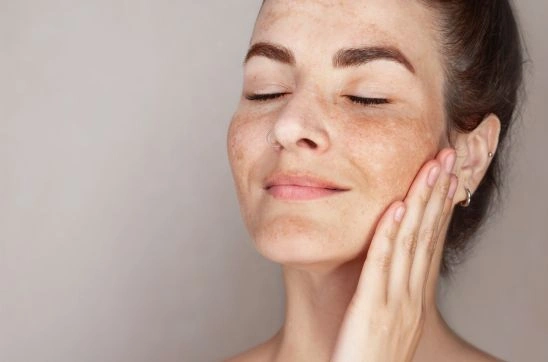
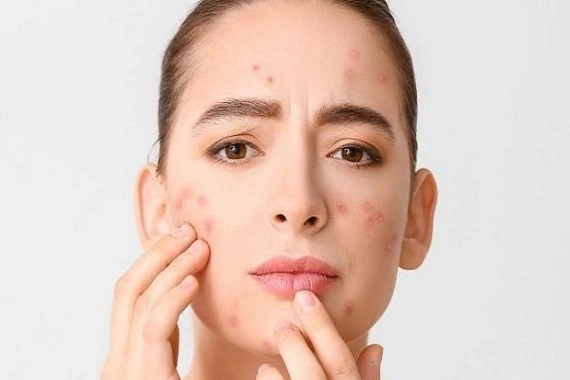
Skin has a memory. Not in the emotional sense, but in the way it records every disruption, every breakout, and every instance of inflammation. Long after acne fades, the skin often holds onto evidence in the form of marks, uneven tone, or texture changes. This lingering effect is what makes post-acne care just as important as treating the breakout itself.
Many people focus entirely on eliminating acne, assuming that once the pimple is gone, the problem is solved. In reality, the aftermath can last significantly longer and often requires a completely different approach. Products like a 🔗sunscreen for acne prone skin 🔗 become essential during this phase, even though they are often overlooked.
The Concept of Skin Memory
Skin memory refers to how the skin responds to repeated inflammation. When acne occurs, it triggers a cascade of responses beneath the surface. Blood vessels dilate, pigment-producing cells become more active, and the skin’s healing process kicks in.
However, this process is not always perfect. Instead of returning to its original state, the skin may:
- Produce excess melanin, leading to dark spots
- Heal unevenly, causing texture irregularities
- Remain slightly inflamed, prolonging redness
This is why two people with similar breakouts can have completely different outcomes. One may heal quickly, while the other is left dealing with marks for months.
Why Treating Acne Alone Is Not Enough
Focusing only on active acne is like putting out a fire without addressing the damage it caused. Even if breakouts stop, the skin still needs support to return to its original condition.
Post-acne marks require:
- Gentle care to avoid further irritation
- Ingredients that support skin renewal
- Protection from external factors that can worsen pigmentation
Without this additional care, marks can become more stubborn over time.
The Sun’s Role in Making Marks Worse
One of the most underestimated factors in acne recovery is sun exposure. Ultraviolet rays stimulate melanin production, which can darken existing marks and make them more noticeable.
Even minimal sun exposure can:
- Deepen pigmentation
- Slow down the fading process
- Trigger new discoloration
This is why daily sun protection is not optional. It is a critical step in preventing temporary marks from becoming long-term concerns.
Understanding Post-Inflammatory Hyperpigmentation
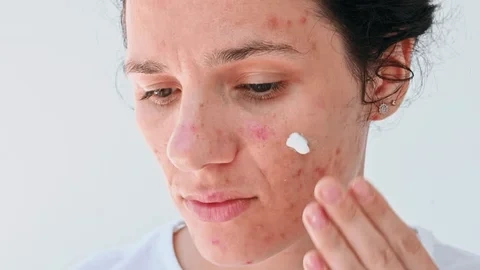
Post-inflammatory hyperpigmentation, often referred to as PIH, is one of the most common after-effects of acne. It appears as dark spots where breakouts once existed and can vary in intensity depending on skin type and severity of inflammation.
PIH is not a scar in the traditional sense, but it can be just as frustrating. Unlike active acne, it does not respond to typical anti-acne treatments. Instead, it requires a targeted approach that focuses on:
- Reducing excess pigment
- Supporting cell turnover
- Protecting the skin from further damage
What Research Says About Pigmentation and Sun Exposure
Scientific studies highlight the strong connection between UV exposure and persistent pigmentation. According to research published by the National Center for Biotechnology Information, ultraviolet radiation significantly increases melanin activity, which can prolong and intensify hyperpigmentation.
This reinforces a key idea. Treating marks without protecting the skin from the sun is counterproductive.
The Shift from Aggressive to Supportive Skincare
In the past, skincare routines often relied on harsh treatments to speed up results. While these methods can sometimes be effective, they also increase the risk of irritation, which can worsen pigmentation.
Modern skincare focuses on supporting the skin rather than forcing rapid change. This includes:
- Maintaining a healthy skin barrier
- Using targeted treatments instead of layering multiple actives
- Prioritizing consistency over intensity
This approach reduces the likelihood of new marks forming while helping existing ones fade gradually.
The Importance of Consistency in Fading Marks
Unlike acne, which can appear suddenly, post-acne marks fade slowly. This requires patience and a consistent routine. Skipping steps or frequently changing products can disrupt progress and prolong results.
Consistency ensures that:
- The skin remains protected daily
- Active ingredients have enough time to work
- The healing process is not interrupted
Even small, consistent efforts can lead to noticeable improvements over time.
Why Gentle Care Accelerates Healing
It may seem counterintuitive, but gentle skincare often produces better long-term results than aggressive treatments. When the skin is calm and balanced, it can repair itself more efficiently.
Gentle care includes:
- Avoiding over-exfoliation
- Using soothing and hydrating products
- Minimizing unnecessary product changes
This creates an environment where the skin can heal without additional stress.
Targeting Marks Without Triggering New Ones
One of the biggest challenges in post-acne care is treating marks without causing new breakouts. This requires carefully selected products that address pigmentation while remaining suitable for acne-prone skin.
The key is balance. Products should:
- Be effective yet non-irritating
- Support the skin barrier
- Work alongside a simplified routine
This ensures that progress is not undone by new issues.
The Role of Specialized Treatments
While a basic routine forms the foundation, specialized treatments can enhance results when used correctly. These treatments are designed to address specific concerns like pigmentation or uneven tone.
They work best when:
- Introduced gradually
- Used consistently over time
- Combined with protective measures like sun protection
This targeted approach allows for more efficient results without overwhelming the skin.
Building a Routine That Supports Skin Recovery
An effective post-acne routine does not need to be complicated. In fact, simplicity often leads to better outcomes.
A balanced routine may include:
- A gentle cleanser
- A supportive moisturizer
- Targeted treatments for marks
- Daily sun protection
Each step plays a role in helping the skin return to a healthier state.
The Long-Term Perspective on Skin Health
Skin recovery is not just about immediate results. It is about creating habits that prevent future issues. By understanding how the skin responds to inflammation and external factors, it becomes easier to make informed choices.
Long-term skin health involves:
- Protecting the skin daily
- Avoiding unnecessary irritation
- Supporting natural healing processes
This perspective shifts the focus from quick fixes to sustainable results.
Conclusion
Acne may be temporary, but its effects can linger if not addressed properly. Understanding the skin’s memory and the role of external factors like sun exposure is essential for complete recovery. By combining protective measures with targeted solutions such as an acne scar clear serum 🔗, you can support the skin’s natural healing process and gradually reduce the appearance of marks. The goal is not just to clear the skin, but to restore its clarity and resilience over time.
Call to Action
Ready to move beyond breakouts and focus on complete skin recovery? Discover effective skincare solutions designed for real results at World of California 🔗 and build a routine that supports both acne control and post-acne care.
FAQs
1. Why do acne marks take longer to fade than pimples?
Because they involve changes in pigmentation and skin structure, which take more time to repair.
2. Can sun exposure really worsen acne marks?
Yes, UV rays increase melanin production, making marks darker and more persistent.
3. Is sunscreen necessary even indoors?
Yes, indirect sunlight and screen exposure can still affect the skin over time.
4. Can I treat acne and marks at the same time?
Yes, but it requires a balanced approach to avoid irritation and further breakouts.
5. How long does it take to see improvement in acne marks?
With consistent care, noticeable changes can appear within a few weeks, but complete fading may take longer depending on severity.
