Hegseth to NATO: Europe Must Lead Security, US Reviews Presence!

Hegseth to NATO: Europe Must Lead Security, US Reviews Presence!
US Defense Secretary Pete Hegseth announces a major review of US forces in Europe, criticizing 'free-riding' NATO allies and demanding increased defense spending. What does 'Nato 3.0' mean for the alliance?
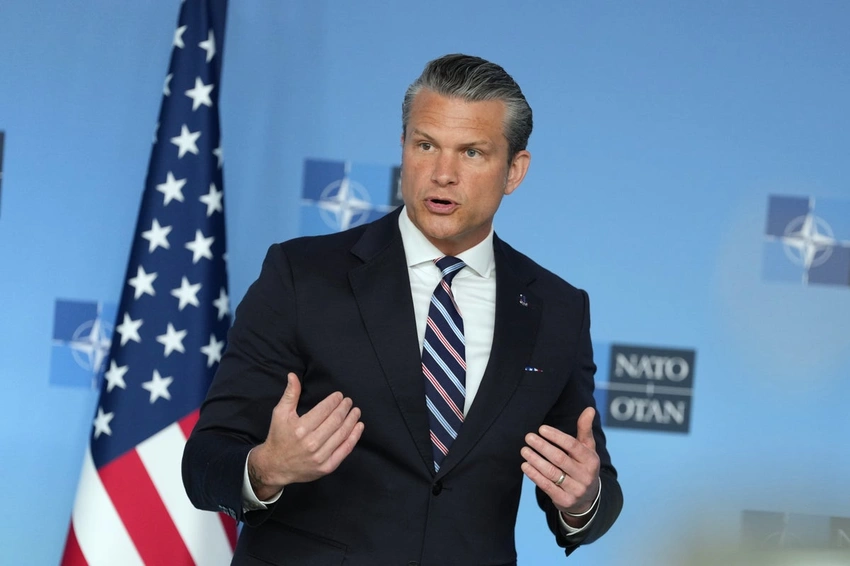
US Defense Secretary Pete Hegseth has delivered a stark message to America's NATO allies: the era of "free-riding" is over. Speaking from NATO headquarters in Brussels, Hegseth announced a comprehensive six-month review of the US military presence in Europe, stating that some countries would "fail" while others would "pass with flying colours" in this assessment. This move signals a significant shift in US policy, aiming to push European nations to take greater responsibility for their own security.
Hegseth's criticism extends to NATO member states that he believes have not met their defence spending obligations. The US has long advocated for allies to contribute more, specifically aiming for 5% of their national economic output (GDP) – with 3.5% on core defence and 1.5% on related infrastructure. He stressed that NATO's annual dues would become contingent on allies meeting these targets, warning that where countries "do not spend with urgency," US contributions would be affected.
The Defence Secretary, who terms this new approach "Nato 3.0," wants to ensure the alliance "is moving fast and irreversibly toward Europe leading" on security on the continent. This comes after a prior US decision to scale back its commitments to the NATO Force Model (NFM), a high-readiness force. While specific details of these reductions, including air and naval capabilities, haven't been made public, they underscore the US's resolve to reduce its burden.
NATO Secretary-General Mark Rutte acknowledged the rising contributions, noting that defence spending had increased by €90 billion last year, a nearly 20% rise. He stated that Europeans were "already backfilling" resources that the US was reducing. Despite this, the pressure from Washington remains high, with calls for "clear, concrete and credible plans" for future defence investment. The new UK defence secretary, for instance, met with NATO allies without a specific investment plan in place, highlighting the challenge some nations face in rapidly meeting these demands.
