Remastered Game Soundtracks: Magic Or Just Glorified Nostalgia?

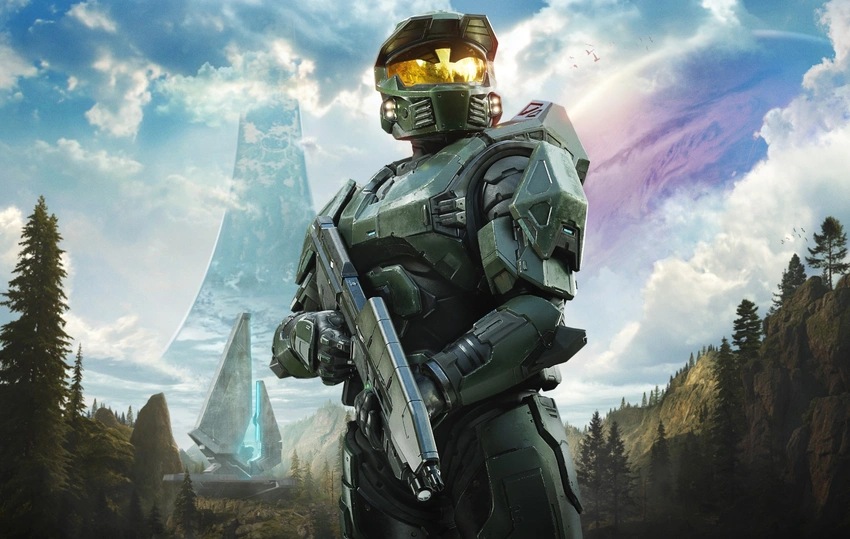
Remastered Game Soundtracks: Magic Or Just Glorified Nostalgia?
Are developers truly enhancing our beloved game soundtracks, or are they simply cashing in on our cherished childhood memories? Let's dive into the sonic landscape of remasters.
There's a unique hum in the gaming community whenever a classic title gets a modern facelift. And with Halo: Campaign Evolved promising a 'modern evolution' built in Unreal Engine 5, the buzz is palpable.
We've just gotten a taste of this with an extended version of the iconic 'Main Menu Theme', and it begs the question: when developers remaster a soundtrack, are they truly re-capturing the original magic, or are we just falling for a clever ploy to leverage our childhood memories?
Remasters like Halo: Campaign Evolved are more than just a fresh coat of paint.
We're talking about 4K visuals, updated animations, and even re-recorded voice lines.
Halo Studios is pulling out all the stops, bringing in beloved weapons and vehicles from later Halo titles and adding three new bonus campaign missions to 'expand and celebrate the adventure that started it all.' It's a massive undertaking, and a significant part of that experience, especially for Halo , is its legendary audio landscape.
The original Halo: Combat Evolved soundtrack wasn't just background noise; it was an integral character in the experience. It was a masterful blend of 'sweeping orchestral cues with marching military snares, prog-rock percussion, and Gregorian Monk chants.' These elements weren't just iconic; they were foundational to the game's atmosphere.
So, when Halo Studios announces a remastered version of this soundtrack, the expectations are astronomically high.
Can they truly elevate something already considered perfect?
Executive producer Damon Conn wisely stated,
We're not trying to replace what is a masterpiece in the original. We're trying to basically make something that stands kind of shoulder to shoulder with it, using new tools, new energy, to get a little bit of a fresh take on some things, but honouring the legacy.
This sentiment is crucial.
The goal shouldn't be to overwrite a classic but to offer an alternative, a complementary experience that stands strong on its own merits, using today's audio fidelity and production techniques.
But here's the rub: our memories are often more vivid and idealized than reality. It's intrinsically tied to countless hours spent with friends, the anticipation before a mission, or the relief after a hard-fought battle. A remastered track might sound technically superior, but can it evoke the same raw emotion?
Can it replicate that specific, personal blend of awe and nostalgia?
Then there's the distinction between a true remaster and a re-imagining. Is it about polishing the existing composition, enhancing clarity and dynamic range, or is it about re-recording with new instrumentation and interpretations? The former aims for fidelity; the latter treads a fine line between innovation and alienation.
It's a tightrope walk where one misstep can shatter the magic.
While the prospect of experiencing the Halo universe with refreshed visuals and gameplay on July 26 is exciting (even without PvP multiplayer, which the developers openly admit they aren't trying to replace), the audio component remains the most delicate. Just ask original Halo composer Marty O'Donnell, who once had a 'short' conversation about Tom Cruise playing Master Chief, some things are just sacred.
A remastered soundtrack holds a similar reverence.
It needs to honor the past while defining its own present.
It needs to not just sound good, but feel right.
And that, dear players, is where the true challenge, and potential, lies.
