Mukul Roy, Former Union Minister, dies at 71 in Kolkata hospital

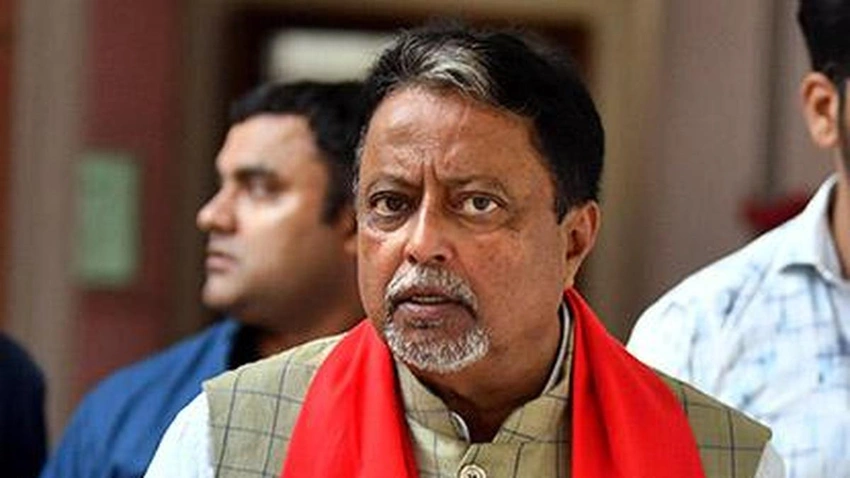
Mukul Roy, Former Union Minister, dies at 71 in Kolkata hospital
Tributes pour in as Mukul Roy, a key architect of West Bengal politics, passes away at 71 in a Kolkata private hospital after a prolonged illness.
Mukul Roy, a longtime political power broker in West Bengal and a former Union Railway Minister, died in the early hours of Monday in a private Kolkata hospital after a prolonged illness. He was 71 and had been in a coma in the days leading up to his death, with his son Subhranshu Roy confirming the tragedy. He reportedly suffered a massive cardiac arrest at 1:30 a.m. and did not recover.
Prime Minister Narendra Modi offered condolences on X, noting Roy’s political experience and his efforts to serve society, while wishing the family strength in this difficult time. The PM's message reflected the reach Roy had across parties and generations in Bengal politics.
Roy was one of the founding members of the Trinamool Congress and was long regarded as the party’s internal strategist and a trusted aide to Mamata Banerjee. His influence helped shape the party’s organizational structure and even bridged gaps between the party and government, with Roy often described as the Chanakya of West Bengal politics. He is credited with helping several Congress leaders join Trinamool and played a crucial role in presenting the party’s official symbol to the Election Commission of India.
In 2016, differences within the Trinamool began to surface, particularly after central agencies summoned him in connection with chit fund scams in the state. In November 2017, Roy joined the BJP and went on to contribute to the party’s electoral performance in the 2019 Lok Sabha polls, acting as a key strategist in Bengal. Roy’s roots trace back to Kanchrapara in North 24 Parganas, where he began his politics with the Congress before helping launch Trinamool Congress in 1998.
Roy’s death marks the loss of a towering but controversial figure in Bengal’s modern political saga. His career, spanning leadership roles, party building, and outright strategic maneuvering, leaves behind a complex legacy that complemented the state’s political evolution over more than two decades.
