RBI Hikes Repo Rate to 5.5%: What It Means for Your Loans & EMIs!

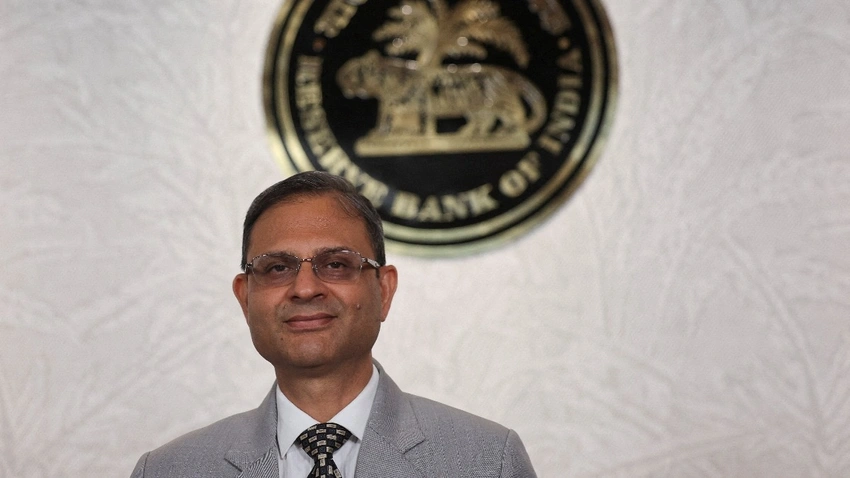
RBI Hikes Repo Rate to 5.5%: What It Means for Your Loans & EMIs!
India's central bank just hiked the repo rate to 5.5% after a year! Find out how this 25 bps increase will affect your home loans, EMIs, and overall borrowing costs. Get ready for changes!
India's central bank, the Reserve Bank of India (RBI), has announced its first interest rate hike since February 2023, raising the repo rate by 25 basis points (bps) to 5.50%. This significant move comes after the central bank had maintained a status quo on the repo rate for its last four reviews, signalling a renewed focus on taming inflation.
The decision to increase the repo rate is primarily aimed at curbing persistent inflationary pressures within the Indian economy. With inflation gradually creeping up, the RBI's Monetary Policy Committee (MPC) has chosen a proactive approach to stabilize prices.
This adjustment means that borrowing costs across the board are expected to rise.
For millions of Indians, this hike will have a direct and tangible impact on their personal finances. Individuals with floating-rate loans, particularly home loans, are likely to feel the pinch immediately. Lenders typically pass on repo rate increases to their customers, which could result in higher Equated Monthly Instalments (EMIs) or, alternatively, an extension of the loan tenure.
This makes budgeting for existing and prospective borrowers more challenging.
Beyond personal loans, the increase in the repo rate will influence overall credit availability and cost for businesses as well, potentially impacting investment and growth. Experts from financial institutions like HSBC and Goldman Sachs are already anticipating further rate hikes, with expectations for another increase in December if inflation trends persist.
This suggests that the current adjustment might not be the last, and borrowers should prepare for a potentially tighter credit environment in the near future. The RBI's actions underscore its commitment to maintaining economic stability, even if it means higher costs for consumers and businesses in the short term.
