US Military Reels: 45 MQ-9 Reaper Drones Lost in Iran War, 25% of Fleet Gone

US Military Reels: 45 MQ-9 Reaper Drones Lost in Iran War, 25% of Fleet Gone
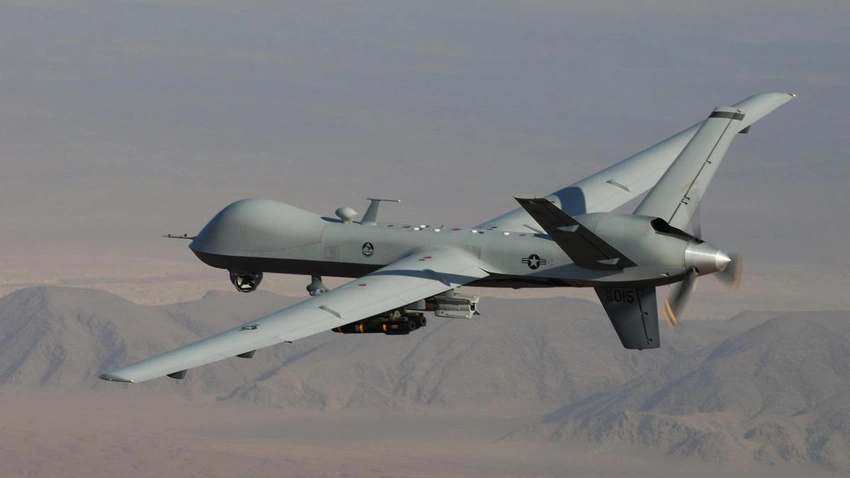
The U.S. military has reportedly lost 45 MQ-9 Reaper drones, representing a quarter of its fleet, during the ongoing conflict with Iran. This significant loss raises concerns about defense capabilities and taxpayer costs
The U.S. military has suffered a substantial blow, losing at least 45 MQ-9 Reaper surveillance and strike drones during the ongoing war with Iran, according to a report by The Washington Post on Thursday, August 13, 2026. This alarming figure represents roughly 25% of the entire U.S. military's Reaper fleet, potentially costing taxpayers more than ₹1.3 billion.
The report, citing unnamed officials, clarifies that not all these advanced drones were shot down by enemy fire.
A significant portion were lost due to communication link failures, highlighting vulnerabilities beyond direct combat.
Before the conflict escalated, the U.S. military operated approximately 185 Reapers - 165 in the Air Force and 20 in the Marine Corps.
The current count stands at around 135. Lieutenant General David Tabor, a senior Air Force officer at the Pentagon, had expressed deep concern to the Senate in May about these increasing losses. He indicated that the Air Force is actively exploring strategies to swiftly replenish its depleted fleet, underscoring the strategic importance of these unmanned aerial vehicles.
The MQ-9 Reaper, first inducted by the U.S. in 2007, has been a cornerstone of America's counterterrorism operations across various conflict zones, including West Asia, Afghanistan, and Iraq. Its utility in surveillance and precision strikes has made it a critical asset.
These significant losses come at a time when global interest in such drone technology is high.
Notably, India signed an agreement with the U.S. in 2024 to procure 31 MQ-9 Reaper drones for its armed forces, with deliveries anticipated to begin in 2029. The current situation could potentially influence future perceptions and strategic planning regarding the resilience and operational risks associated with these high-value military assets.
