Colbert Blasts CBS as Talarico Interview Tops 4.5M Views on YouTube

Colbert Blasts CBS as Talarico Interview Tops 4.5M Views on YouTube
Colbert challenges CBS over blocking James Talarico interview; the clip streams on YouTube and draws millions, fueling a debate on equal-time rules.
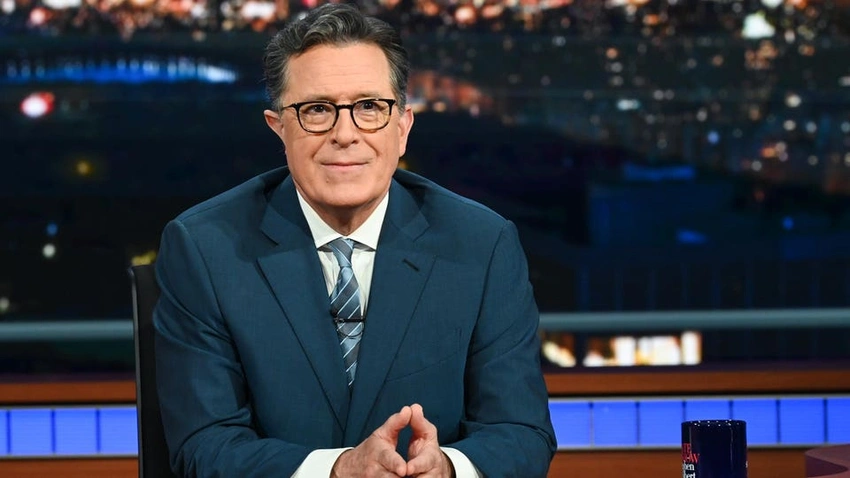
New York — Stephen Colbert’s clash with CBS over an unaired interview with Texas Democrat James Talarico has become a major talking point in media and politics. The Late Show segment was recorded with Talarico, a candidate challenging in Texas, but CBS reportedly blocked airing it on the broadcast and instead suggested options to fulfill equal-time requirements. The interview later appeared on YouTube and quickly drew millions of views, becoming Colbert’s most-watched interview in months.
CBS has defended its handling, saying it presented options to fulfill the equal-time rule for other candidates, yet The Late Show decided to release the conversation on YouTube. The decision mirrors the ongoing tension between traditional broadcast norms and the speed and reach of online platforms.
The YouTube upload has racked up roughly 4.5 million views, a number that underscores the appetite for unedited political discourse outside network television. The traction raises questions about how audiences access interviews and whether online clips can supplant or supplement traditional airings.
Texas state Rep. James Talarico has used the moment to frame the dispute as part of a broader debate about cancel culture and media access to political candidates. Colbert’s response, while sharply critical of the network’s choices, also spotlights the public’s interest in hearing candidates’ views unfiltered.
Several observers note that the case brushes up against the FCC’s equal-time rule, which requires broadcasters to offer fair access to candidates from opposing parties when they air political content. CBS’s stance, and the subsequent YouTube release, has sparked discussions about how such rules apply in an era of streaming and online clips.
As the conversation continues, the incident highlights a clash between legacy media and digital distribution in shaping political narratives. For Colbert and his audience, the episode is less about a single interview and more about how information travels today, often faster and more widely on social platforms than on prime-time TV.
Whether the debate over air rights will change newsroom decisions remains to be seen, but the public’s curiosity around the Texas race and the politics of media access is clearly here to stay.
