Your Favorite Showrunner Just Told You to Get Out: Boss Move or PR Suicide?

Your Favorite Showrunner Just Told You to Get Out: Boss Move or PR Suicide?
TV creators are finally clapping back at fans. When a showrunner tells you you're 'watching the wrong show,' are they protecting their art or burning bridges?
The Death of the Polite Creator
There was a time when showrunners would bend over backward to appease their fanbases. They would participate in endless sessions of audience feedback, apologize for unpopular plot twists, and try to keep every subset of the internet happy. But those days are officially over. We are entering the era of the creative clapback.
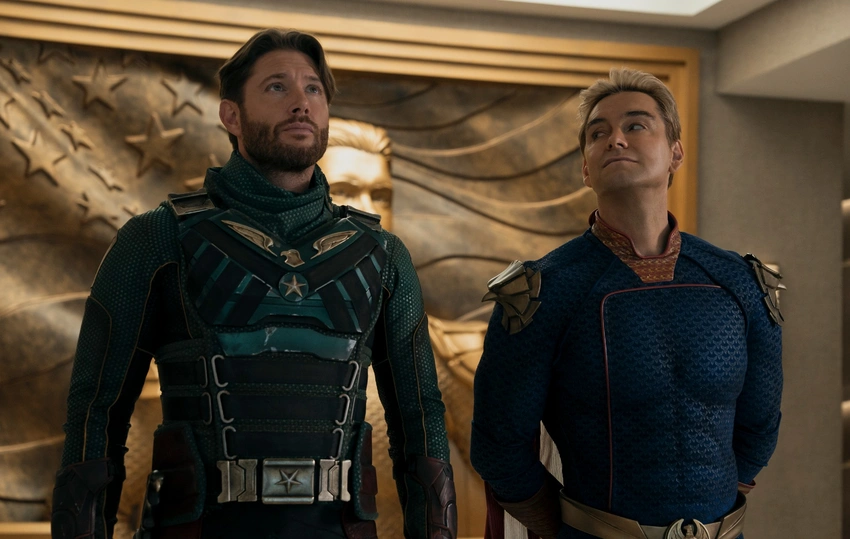
Recently, a high-profile showrunner for a major superhero satire made waves by telling dissatisfied fans that they were simply watching the wrong show. The spark for this digital firestorm? Complaints about filler episodes in a final season. The creator argued that what fans call filler is actually the essential work of fleshing out characters. Without those quiet moments, he argued, the big battles mean nothing.
Why It Might Be a Boss Move
For too long, fan entitlement has dictated the pace of prestige television. If there isn't a massive explosion or a major character death every forty minutes, social media erupts with claims that the writers are stalling. By standing his ground, the creator is prioritizing artistic integrity over fan service.
Television is, at its heart, a character business. If a creator believes that their fourteen or fifteen main characters need more breathing room to feel human, they should have the right to say so. Telling fans to find another show isn't just a snappy retort; it is a boundary. It says: This is my vision. You are invited to watch it, but you do not get to rewrite it.
The PR Disaster Risk
On the flip side, telling your customers to go away is a bold strategy in a crowded streaming market. When a showrunner dismisses feedback as fans just wanting more action, it can come across as condescending. It ignores the legitimate concern that the pacing might actually be lagging.
- Alienation: You risk losing the very people who built your show's hype.
- The Out of Touch Label: It makes the production team look like they cannot handle constructive criticism.
- The Algorithm Factor: Negative sentiment can tank a show's recommendation score quickly.
The Bottom Line
Whether you think it is a legendary move or a total disaster, one thing is clear: the wall between creators and consumers has crumbled. While it is refreshing to see artists defend their work, they must tread carefully. There is a fine line between defending your art and insulting the people who pay for your subscription.
If you are only here for the spectacle, you might indeed be in the wrong place. But if creators stop listening entirely, they might eventually find themselves playing to an empty room.
