F1's 2025 Highest-Paid Drivers: Who Earned the Most?

F1's 2025 Highest-Paid Drivers: Who Earned the Most?
F1's 2025 top earners raked in about $363 million in salary and bonuses, underscoring motorsport's lucrative off-track business and star power.
Formula 1's off-track drama is as compelling as the on-track action this year, with the sport's top earners pulling in an estimated $363 million in salary and bonuses in 2025. The figure highlights that the financial heartbeat of modern F1 runs far beyond the checkered flag, driven by pay packets, performance bonuses, sponsorships, and the global audience that keeps the sport buzzing.
Lando Norris often headlines the on-track conversation, but the earnings story extends beyond a single driver. The pool of top earners shows how speed, marketability, and team partnerships converge to create a multi-million-dollar ecosystem where a driver’s on-track success translates into off-track financial leverage. This year’s rankings place Norris among the leading earners while illustrating that the money race in F1 is a broader league than just one name at the front of the grid.
To put the numbers in perspective, one driver pulls in around $76 million, a staggering example of the leverage a top performer can command. On the other side of the scale, the sport’s teams operate as a sizable business with a combined footprint valued in the billions, with figures around $6.5 billion cited in industry analyses. These numbers underline how the business of F1 is a multifaceted machine: sponsorships, prize money, merchandising, and media rights all feed into a cycle that sustains high salaries and ambitious team investments.
This money isn’t just a headline statistic; it reflects the ongoing evolution of Formula 1 as a global business with a deep, expanding audience. The salaries and bonuses act as both reward for performance and a magnet for sponsorships and corporate partnerships that want to align with the sport’s premium image. The end result is a sport that remains extraordinarily lucrative for its top stars and the organizations behind them.
Looking ahead to 2026, F1 is set to undergo notable changes—new teams, a new race, and entirely new cars—suggesting shifts in how teams and drivers negotiate value. Even as the on-track drama evolves, the off-track money story will continue to shape who gets the best seats on the grid and how teams invest in technology, talent, and global markets. In short, Formula 1 remains a high-stakes business where speed, branding, and strategic partnerships drive a very visible bottom line.
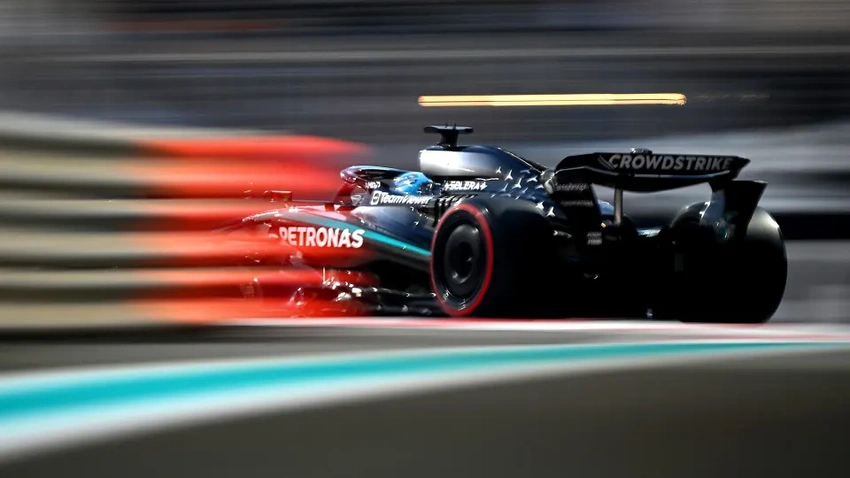
Cover image source: Five Big Changes Coming To Formula 1 In 2026 🔗
