Why Pop Stars Are Suddenly *Obsessed* with Their Own Stardom
Why Pop Stars Are Suddenly *Obsessed* with Their Own Stardom
Today's pop artists are breaking the fourth wall, singing directly about their ambition, struggles, and the very pursuit of fame. It's a bold move defining a new era of meta-pop.
The phenomenon of pop stars singing about wanting to be pop stars isn't just a fleeting trend-it's a fascinating peek behind the curtain of an often-opaque industry. Today's artists aren't just making music; they're crafting their own narratives about the relentless pursuit of fame, challenging the gatekeepers, and redefining what it means to 'make it'. It's a necessary act of breaking the fourth wall and owning their journey.
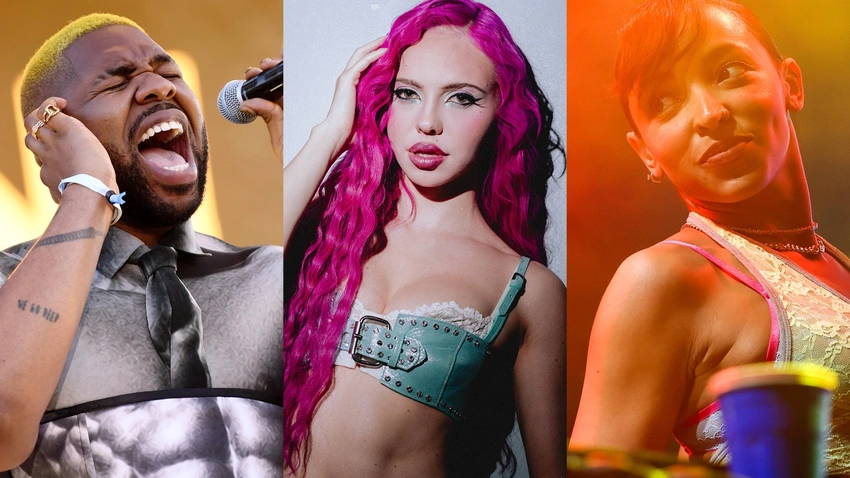
Take MNEK, for instance. After the initial release of his debut album, Language , he felt the sting of public perception, admitting he felt 'like everybody was laughing at me' for daring to dream big. Fast forward eight years, and his new album, Bulldozer , is a defiant roar.
Tracks like 'The Wall' are his thesis statement-a bold declaration that he's here to take up space. He sings, “Ain't asking for permission, make some room,” and playfully mocks those who underestimated him:
I know my shit is hot/I got these industry white man on my waiting list/Gotta be my own hype man like I rate my shit.
It's a powerful reclaiming of narrative, pushing past the 'heteronormative and very straight down the line' spaces of the industry.
Then there's Tinashe, whose journey exemplifies sheer persistence. Her eighth studio album is aptly titled Popstar , a direct, undeniable claim to the status she's been chasing for over a decade. From '2 On' to 'Nasty,' her hits are separated by ten years, highlighting the marathon many artists endure to gain widespread recognition.
She's actively clearing her own lane, refusing to be pigeonholed by traditional industry expectations that often sideline artists who don't fit a convenient mold.
Why this sudden, overt obsession with the struggle for stardom? Because careers in pop demand a unique blend of pushback, an almost grandiose confidence, and a relentless desire to succeed. Artists are no longer content to just sing catchy tunes; they're manifesting their destinies through their art, turning their ambitions and frustrations into compelling commentaries.
This 'meta-pop' allows them to control their image, preempt criticism, and connect with listeners on a more authentic, vulnerable level about the true cost and reward of chasing a dream.
It's a powerful shift. By discussing their aspirations, their battles, and their triumphs so openly, these artists aren't just making music-they're shaping the conversation around what a pop star truly is in the 21st century. They're inviting us into their world, demanding we acknowledge their vision, and proving that sometimes, the most revolutionary act is simply to declare, 'I want this, and I deserve it.'
What does this mean for the future of pop?
This trend of self-aware, aspirational anthems marks a turning point. It's a rejection of the manufactured image in favor of raw ambition.
Artists are using their platforms to challenge the implicit biases and structural barriers of the music industry.
It's fought for, manifested, and often, has to be self-proclaimed. And by doing so, they're not only entertaining us but also inspiring a new generation to define success on their own terms.
