Reeves dumps income tax rise, sending gilt yields up and pound down

Reeves dumps income tax rise, sending gilt yields up and pound down
Markets react as the chancellor abandons the income tax rise, sparking a gilt sell-off and a weaker pound ahead of the autumn budget.
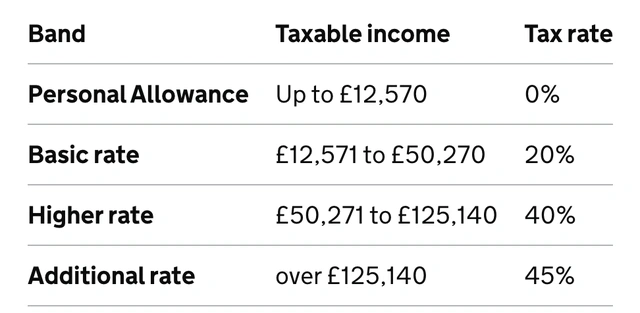
UK bond markets took fright on Friday after it emerged that Rachel Reeves had ditched plans for a manifesto-busting increase in income tax at this month’s autumn budget. On a day of choppy trading in the City, the cost of UK government borrowing rose by the most in a single day since early July, with the yield on 10-year gilts jumping by more than 0.13 percentage points to around 4.575%, the highest level in a month. The pound also sold off against the US dollar, slipping about 0.3% to around $1.3155, as investors priced in bigger deficits and political risk ahead of the budget in less than two weeks.
Markets and City observers had started to settle after Reeves signalled flexibility to breach manifesto pledges to cover a potential shortfall in the government's finances, estimated at up to £30bn. It emerged late on Thursday that Reeves was set to abandon plans for an income tax rise, amid bitter infighting within Labour and the threat of a backbench rebellion.
With a broader package of tax and spending measures still under wraps, traders watched for clues about whether the budget on 26 November will rely more on tax rises elsewhere or on spending restraint. The move has complicated Labour’s political narrative at a delicate moment, prompting questions about fiscal credibility and future policy direction. Analysts note the U-turn underscores the tension between electoral promises and market expectations, and it places economic strategy squarely in the spotlight as the party navigates internal divisions and public scrutiny.
In the meantime, pound and gilt volatility are likely to persist as investors weigh the risks of policy reversals, potential leadership chatter within Labour, and the government’s ability to strike a credible path to deficit reduction while avoiding abrupt tax shocks. The coming days will be crucial in signaling whether Reeves can stabilise markets or whether further revisions to the budget plan are on the horizon.
