Attenborough at 100: beauty, legacy, and a reckoning on colonial echoes

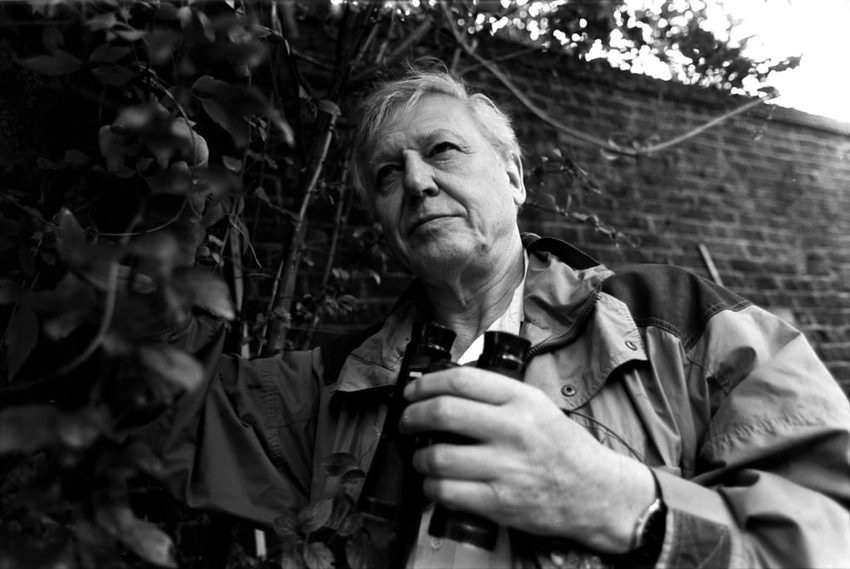
Attenborough at 100: beauty, legacy, and a reckoning on colonial echoes
As Attenborough turns 100, a nuanced look at his lush storytelling—celebrated globally, yet critiqued for masking colonial harms in conservation history.
David Attenborough turns 100 today, and his name is synonymous with a certain glow of mass wonder about the natural world. For seven decades and across nine series, he brought animals, ecosystems, and landscapes into living rooms around the globe, turning complex science into accessible storytelling. Critics and fans alike celebrate his extraordinary ability to spark curiosity and inspire millions to care about biodiversity.
But as the celebration rolls on, a growing critique persists: the very aesthetics that made his work irresistible also helped obscure uncomfortable histories, including how conservation narratives have traced back to colonial eras. By prioritizing lush imagery and a cinematic pace, some observers argue, the politics of land, resource control, and cultural erasure remained on the periphery of the conversation.
Observers note that his reach extended beyond entertainment to influence public policy, funding, and youth engagement, with tributes from peers and royalty underscoring his ability to bridge generations. Yet the moment invites reflection on what stories we privilege and how to tell them responsibly going forward. The centenarian's work is credited with expanding curiosity and mobilizing action, while debates continue about how to acknowledge harm and include more voices from diverse backgrounds in telling nature's story.
As Attenborough's milestone prompts introspection, many hope future filmmakers will carry forward the same sense of wonder while foregrounding ethics, colonial histories, and global perspectives. The conversation around planetary stewardship remains urgent, and Attenborough's legacy offers a starting point for a more nuanced, inclusive approach to telling the planet's story.
