Trump's AI Jesus Image Triggers Backlash Across TV and Faith Leaders

Trump's AI Jesus Image Triggers Backlash Across TV and Faith Leaders
AI-generated Trump as Jesus fuels fierce backlash as hosts condemn it and religious groups react; the post is deleted after the outcry.
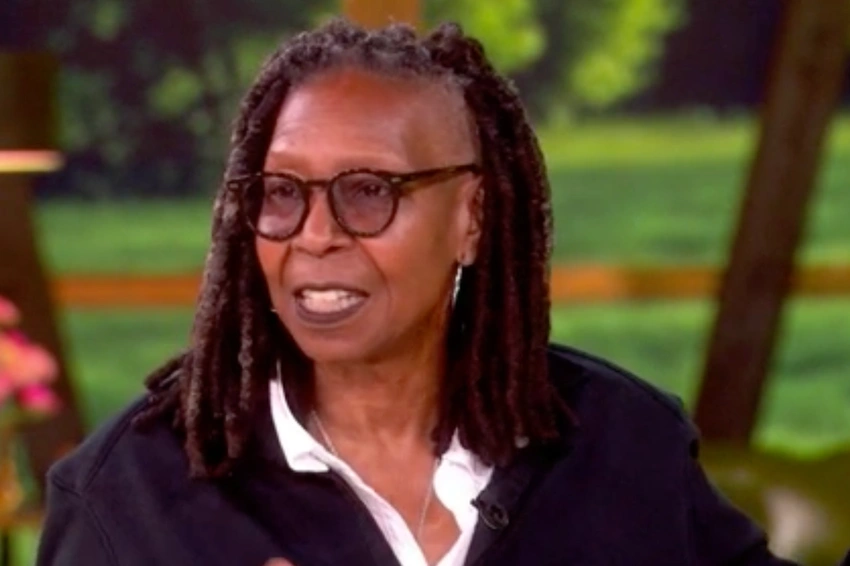
A provocative AI-generated image of Donald Trump dressed as Jesus has ignited a wave of backlash across television and religious circles. On a weekend when the post drew attention for its bold, controversial framing, The View hosts labeled it blasphemous during a Monday segment, displaying the doctored image on screen and discussing the broader fallout from Trump’s online feud with religious and political figures. The conversation touched on the balance between free expression and respect for faith, with one host urging that the image be removed from public view.
The post, originally shared on Truth Social, depicted Trump in white robes with a red sash, placing his hand on the forehead of a sick man. As criticism mounted—from religious leaders to MAGA supporters who spoke out against the post—the president reportedly deleted the image. The backlash wasn’t limited to one outlet; reports highlighted a chorus of disapproval from conservative Christian supporters who called the content disgusting and inappropriate, underscoring a widening rift between Trump’s online messaging and faith communities.
Amid the dispute, host Sunny Hostin drew attention to constitutional debate by invoking the 25th Amendment, suggesting that no one in the highest office should engage in actions that blur ethical and spiritual lines. The exchange underscored how AI-generated imagery can escalate political tensions and complicate relationships with faith groups. Meanwhile, coverage noted Trump’s ongoing public feud with figures within the Catholic community, including a critique of leadership and policy alignment, adding fuel to a broader discussion about the boundaries of political satire and religious reverence.
In the aftermath, outlets confirmed the post's removal and highlighted a broader conversation about the responsibilities that come with AI tools in political discourse. The incident illustrates how digital imagery can polarize audiences, provoke moral questions, and influence public perception during a fraught moment in American politics.
