Beyond the Algorithm: Why We Need the Brontës Now More Than Ever

Beyond the Algorithm: Why We Need the Brontës Now More Than Ever
Maggie O’Farrell’s tribute to the Brontë sisters is a wake-up call. In a world of AI and influencers, we must reclaim the quiet, difficult power of authentic female creativity.
The Quiet Rebellion of Literary Influence
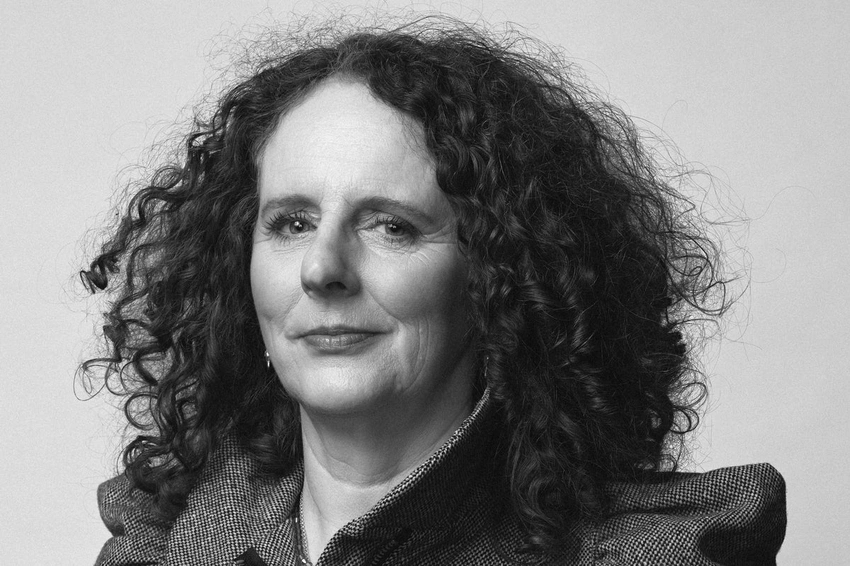
When we think of influence in the modern age, our minds inevitably drift toward metrics. We think of follower counts, engagement rates, and the algorithmic precision of viral trends. Influence has become synonymous with visibility. It is loud. It is immediate. It is often fleeting. Yet, the recent inclusion of Hamnet author Maggie O’Farrell on The Independent’s Influence List for International Women’s Day offers a necessary counter-narrative. By citing the Brontë sisters as the figures who shaped her career, O’Farrell invites us to reconsider what female literary power looks like in an era dominated by artificial intelligence and market pressures.
Writing Against the Machine
We are currently living through a pivotal moment in creative history. Generative AI threatens to flatten the landscape of storytelling by prioritizing pattern recognition over human peculiarity. The market demands content that fits neatly into searchable metadata. If you ask an algorithm to write a bestseller, it will give you a formula derived from what has already worked. It cannot give you the wind-swept isolation of the Yorkshire moors. It cannot replicate the specific, searing grief that O’Farrell captured in Hamnet.
O’Farrell’s reflection on the Brontës acts as a reminder that the most enduring art often comes from the margins, not the mainstream. Charlotte, Emily, and Anne did not write for a target demographic. They did not A/B test their plot points. They wrote in isolation, battling illness and societal constraints, fueling their work with a raw interiority that defies data modeling. Their influence survives not because they followed a trend, but because they pierced the veil of human experience in a way that feels dangerously real.
The Myth of the "Girlboss" Author
Social media has commodified the image of the female writer. We are often sold a polished version of success that aligns with the "girlboss" archetype: the writer as a brand, perfectly curated and perpetually productive. This creates a pressure cooker for aspiring female artists who feel they must be content creators first and writers second.
Looking back at the Brontës through O’Farrell’s lens disrupts this pressure. These were women who wrote under pseudonyms. They sought truth rather than fame. Their lives were not aesthetic. They were often difficult and tragic. By claiming them as her primary influence, O’Farrell validates the struggle of the creative process. She reminds us that influence is not about how many people look at you, but about how deeply you can make them feel.
Authentic Connection in a Synthetic World
The success of Hamnet proves that the market is wrong about what readers want. The industry often assumes audiences want fast-paced escapism. Yet O’Farrell sold millions of copies with a slow, devastating meditation on the death of Shakespeare’s son. She tapped into a universal sorrow that no prompt engineer could synthesize. She drew from the same well of emotional courage as the Brontës.
This is the recalibration we need. We must stop looking at influence as a numbers game. We need to look at it as a lineage of courage. When a writer like O’Farrell points back to the Brontës, she is stitching a thread through time. She is telling us that the technology changes, but the human heart does not.
A Call for Slow Art
As we celebrate International Women’s Day, let us look beyond the curated lists of powerful CEOs and tech disruptors. Let us look at the women who sit in rooms, alone, wrestling with words. In a world that demands we move at the speed of fiber optics, the most radical thing a writer can do is slow down.
The Brontës teach us that true influence is stubborn. It refuses to be rushed. It refuses to be smoothed over. As O’Farrell highlights their legacy, she challenges us to turn off the notifications and trust in the messy, unoptimized, and deeply human act of creation. That is the only influence that will last another two hundred years.
#MaggieOFarrell #InternationalWomensDay #BookTwitter #IndependentInfluenceList
