Iran Tightens Hormuz Control as Ceasefire Tests Transit Fees

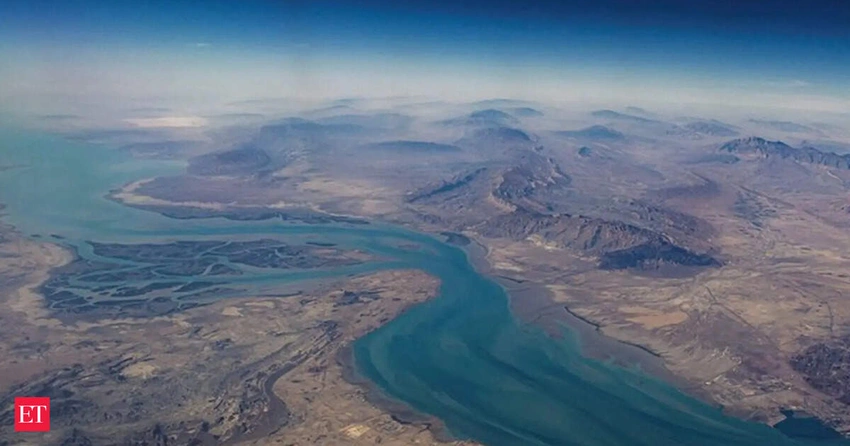
Iran Tightens Hormuz Control as Ceasefire Tests Transit Fees
Tehran signals tighter control over the Strait of Hormuz with crypto-based transit fees during a two-week ceasefire, risking gridlock for oil shipments.
The Strait of Hormuz has become a focal point in ongoing ceasefire talks, with Iran signaling tighter oversight of vessels passing through during the two-week window. Authorities are proposing a monitoring regime aimed at ensuring movements through the waterway align with the security constraints of the truce. While passage would remain technically open, inspections and new checks could slow ships down as they navigate the strategic corridor.
A core element of Tehran’s plan is a transit-fee system pegged at about $1 per barrel, payable in cryptocurrency. Vessels would email cargo information to receive a fee assessment, after which payments would be made using digital currencies. Officials argue the approach helps Tehran monitor both entry and exit points to prevent the movement of weapons during the ceasefire, while also signaling tighter control over a chokepoint critical to global energy supplies.
The proposed system could push shipowners to adapt quickly, but it also risks complicating already delicate logistics. Reports indicate that hundreds of ships are waiting in the region—estimates range from 300 to 400 vessels—creating a potential gridlock as carriers weigh the new requirements against ongoing negotiations.
Western allies and Gulf littoral states have expressed concern about any move that tightens control over Hormuz. Iran has signaled that reopenings would require a new security protocol coordinated with its military, and that access would hinge on compliance with those terms. Meanwhile, market watchers note that lasting disruption to the strait would reverberate through oil prices and shipping costs, potentially offsetting any gains from a cooler political moment.
As talks continue, the shipping industry faces a moment of uncertainty. Officials say the aim is to preserve the strait as an open route within a framework that curtails risky movements, but the practical impact of the new fees and checks remains to be seen. If implemented smoothly, the plan could establish a model for security-focused transit; if not, the risk of delays and rerouting could intensify.
