The Political Power of Whimsy in Today's World

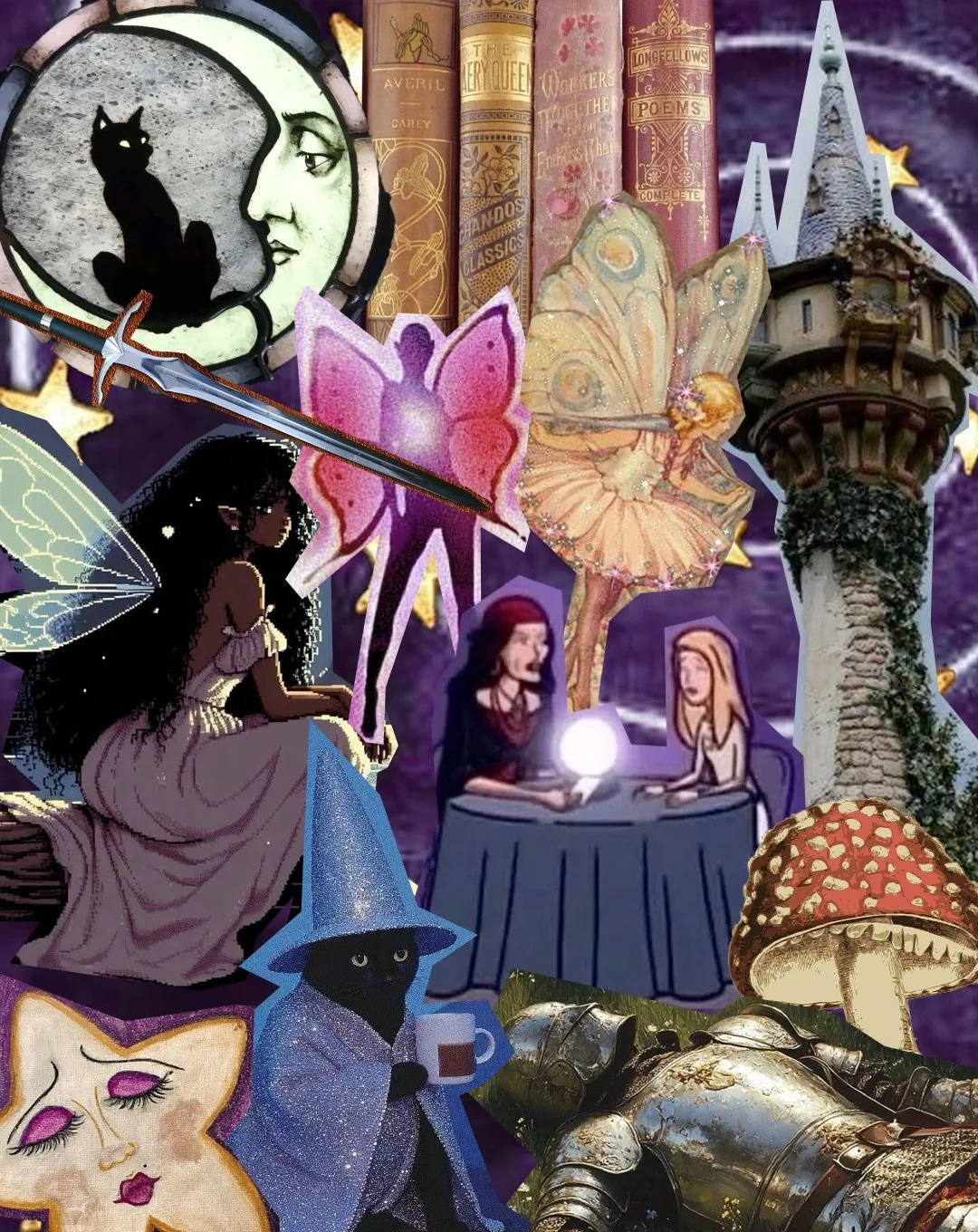
The Political Power of Whimsy in Today's World
The Political Power of Whimsy in Today's World
There is something beautifully political about not surrendering to cynicism.
In a world saturated with bad news, economic uncertainty, political polarisation, and endless streams of information, choosing joy can feel almost irresponsible. We are often encouraged to believe that seriousness is the only appropriate response to crisis. Yet history suggests something more complicated. Creativity, playfulness, imagination, and even whimsy have long carried political significance.
Whimsy is often dismissed as childish or frivolous. It conjures images of colourful outfits, eccentric hobbies, romanticising daily life, and finding delight in small things. But beneath its playful surface lies something much more powerful: the ability to imagine a different world.
And imagination has always been dangerous to systems that depend on conformity.
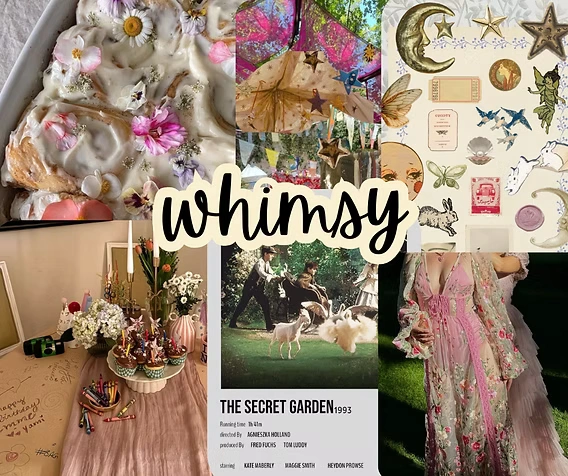 The Politics of Imagination
Many political movements are built on stories about the past. They promise a return to a supposedly better time, a restoration of lost greatness, or a recovery of traditional values. These narratives rely heavily on nostalgia.
What they rarely offer is a genuinely new vision of the future.
Imagination, by contrast, asks a different question: what if things could be otherwise?
The ability to envision alternatives is fundamental to social change. Every major political transformation began as an act of imagination. Before there were civil rights movements, labour rights, universal suffrage, or decolonisation, there were people capable of imagining realities that did not yet exist.
Creativity is therefore not separate from political life. It is one of the conditions that makes political change possible.
When people lose the capacity to imagine alternatives, they become more likely to accept existing structures as inevitable. The status quo begins to feel permanent, even when it is deeply flawed.
Living Beyond Productivity
Part of the appeal of whimsy today comes from exhaustion.
Contemporary life is organised around productivity. Activities are frequently judged according to measurable outcomes. Hobbies become side hustles. Creativity becomes content. Leisure becomes self-improvement.
Under these conditions, it can become difficult to justify doing something simply because it is enjoyable.
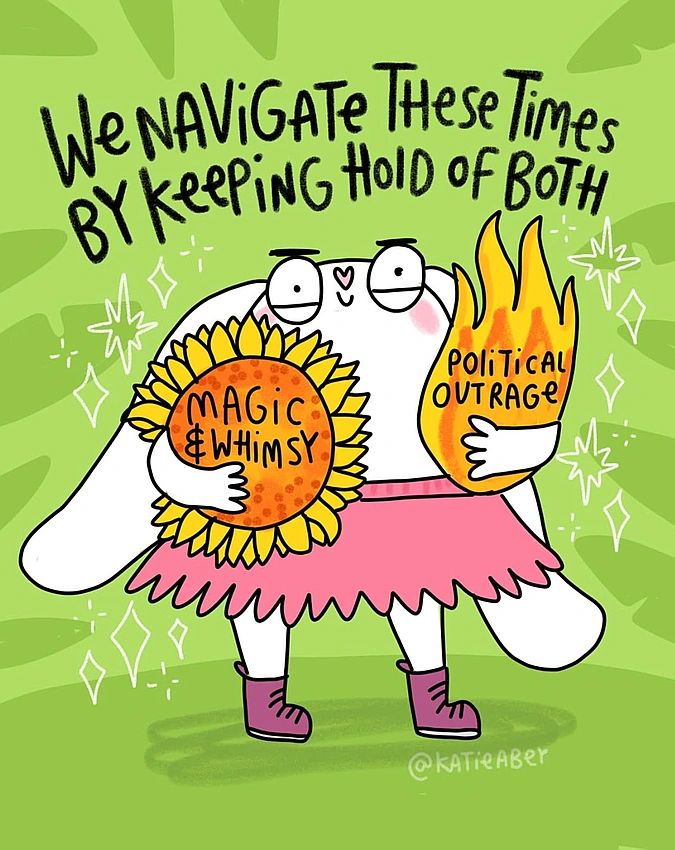 Drawing badly. Dancing awkwardly. Collecting strange objects. Decorating a journal nobody will ever read.
These activities appear useless from a purely productive perspective.
Yet their value lies precisely in that apparent uselessness.
Creative acts encourage us to think beyond efficiency. They remind us that human beings are not machines designed solely for output. The process of making something, even something imperfect, exercises capacities that are increasingly neglected in a culture dominated by consumption.
The act of creating rather than merely consuming becomes a form of resistance.
What History Can Teach Us
The relationship between creativity and political resistance is not new.
During and after the First World War, many artists and intellectuals became disillusioned with political systems that had led Europe into catastrophe. Out of this environment emerged Dadaism, an artistic movement that embraced absurdity, nonsense, and play.
Dada artists used humour, collage, poetry, and experimentation to expose the irrationality of war and the institutions that justified it. Their work challenged assumptions about authority and reason by refusing to take dominant narratives seriously.
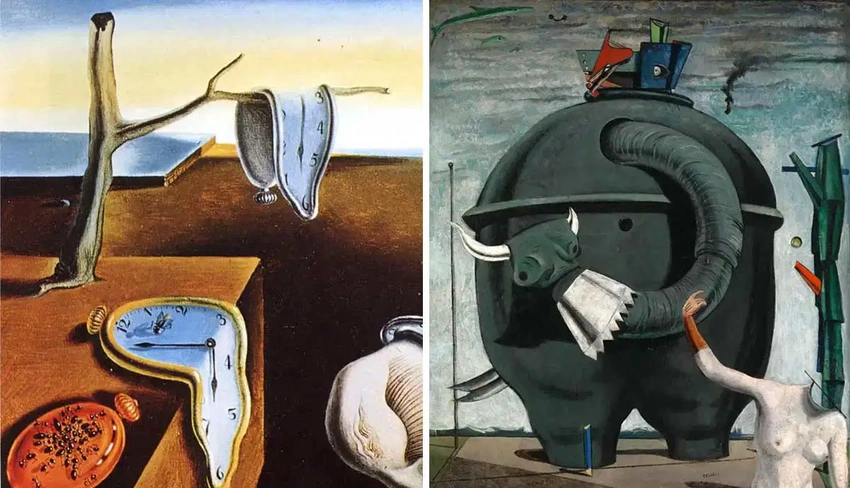 Surrealism followed, using dreams, imagination, and unexpected imagery to encourage people to think beyond conventional reality. Surrealist artists sought to expand the public imagination and question systems of power that presented themselves as natural or inevitable.
Significantly, authoritarian regimes often viewed such artistic movements as threats. Imagination encouraged questioning. It encouraged people to think beyond official narratives.
That capacity to imagine differently was politically disruptive.
Against the Culture of Endless Consumption
Today's challenges are different, but they produce similar effects.
Many people feel overwhelmed by information. News cycles move faster than ever. Social media rewards constant consumption. We scroll endlessly through headlines, opinions, videos, and statistics.
The result is often paralysis rather than understanding.
We consume more information than previous generations could have imagined, yet many of us feel less capable of making sense of the world.
Whimsy offers a small but meaningful interruption to this cycle.
Creating something, no matter how trivial, transforms us from passive consumers into active participants. It encourages reflection rather than reaction. It asks us to engage with the world instead of merely absorbing it.
 Choosing Joy in Difficult Times
Perhaps the most radical aspect of whimsy is its relationship to hope.
Contemporary culture often treats cynicism as a sign of intelligence. The cynical person appears informed, realistic, and difficult to fool. Optimism, by contrast, is frequently portrayed as naïve.
But cynicism is not necessarily evidence of deeper understanding.
In many cases, it is simply a response to disappointment.
Whimsy refuses that response. It insists that delight remains possible even when circumstances are difficult. It preserves curiosity in environments that encourage resignation.
This does not mean ignoring injustice or pretending that problems do not exist. Rather, it means recognising that love, creativity, humour, and joy are among the very things worth defending.
The more deeply we value human flourishing, the more invested we become in protecting the conditions that make such flourishing possible.
#PoliticsOfImagination #WhimsyPower #CreativeResistance #JoyInPolitics #ImaginedFuture
