What Are the Types of Batteries That Can Be Recycled?

What Are the Types of Batteries That Can Be Recycled?
Have you ever wondered what happens to your old batteries after they stop working?
Most of us toss them aside without thinking about where they end up, but batteries don’t just disappear. They contain valuable metals and chemicals that, when properly recycled, can be reused instead of harming the environment. Recycling batteries is one of the smartest ways to reduce electronic waste and conserve natural resources.
Let’s explore the different types of batteries that can be recycled and why it matters more than ever.
1. Lead-Acid Batteries
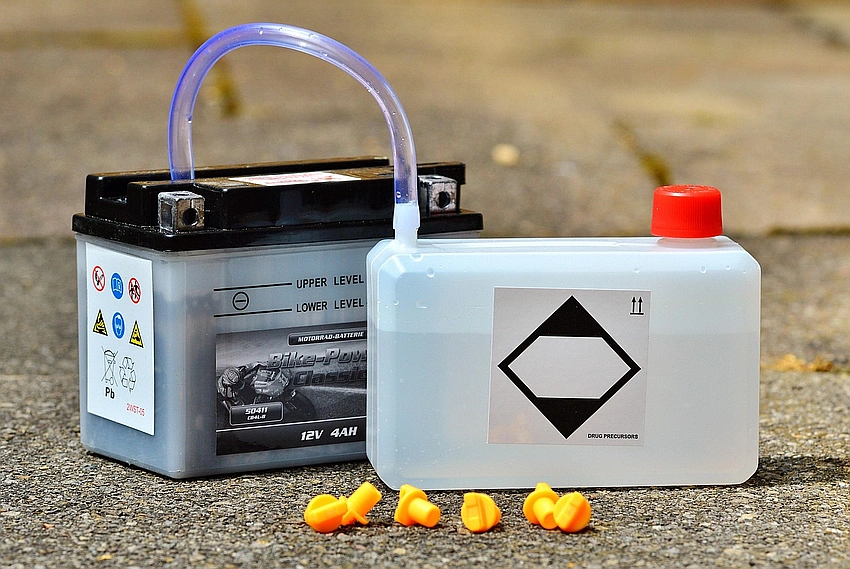
Among the most commonly recycled batteries are lead-acid batteries — the kind found in vehicles, generators, and backup power systems. These batteries are built to last, but when they reach the end of their lifespan, they shouldn’t be discarded carelessly. Lead-acid batteries contain lead and sulfuric acid, both of which can be hazardous if leaked into the environment.
Fortunately, recycling systems for these batteries are well established. The process separates the plastic casing, lead plates, and acid for reuse. The recovered lead can be used to make new batteries, while the plastic is often turned into new casings or other industrial materials. Recycling lead-acid batteries not only reduces pollution but also saves resources that would otherwise be extracted from mining operations.
2. Nickel-Cadmium (Ni-Cd) Batteries
Nickel-cadmium batteries are often used in cordless tools, cameras, and emergency lighting systems. They’re durable and rechargeable, but their cadmium content makes them highly toxic if disposed of improperly. When recycled, these batteries are collected and processed to extract nickel and cadmium, both of which can be reused in new batteries or industrial applications.
The biggest advantage of recycling Ni-Cd batteries lies in preventing cadmium from contaminating soil and water. Recycling centers follow strict safety standards to ensure this hazardous metal is handled responsibly. By doing so, they protect both people and ecosystems while recovering valuable materials for reuse.
3. Nickel-Metal Hydride (NiMH) Batteries
Nickel-metal hydride batteries are commonly found in hybrid vehicles, digital cameras, and household electronics. They’re a safer alternative to nickel-cadmium batteries because they don’t contain toxic cadmium, but they still hold materials worth recycling. The metals recovered from NiMH batteries, such as nickel and rare earth elements, are valuable for manufacturing new batteries and electronics.
Recycling NiMH batteries helps lower the demand for mining rare materials, which can be both environmentally damaging and costly. It also ensures that valuable metals remain in circulation — a step that supports the global shift toward sustainable resource use.
4. Lithium-Ion Batteries
From smartphones and laptops to electric vehicles, lithium-ion batteries power much of our modern world. These batteries are lightweight, efficient, and rechargeable — but they also pose a recycling challenge. Their complex chemistry requires careful handling to prevent fires or explosions during processing.
When recycled properly, lithium-ion batteries yield valuable materials such as lithium, cobalt, nickel, and graphite. These elements are then used to produce new battery cells or other electronics. As demand for electric vehicles and renewable energy storage grows, recycling lithium-ion batteries becomes crucial for conserving limited resources and reducing the environmental footprint of battery production.
5. Alkaline Batteries
Alkaline batteries — the disposable kind used in remote controls, flashlights, and toys — are often overlooked when it comes to recycling. Many people assume they belong in the trash, but modern recycling methods now make it possible to recover zinc, manganese, and steel from these everyday batteries.
Although their individual value may seem small, the sheer number of alkaline batteries used worldwide makes recycling them worthwhile. Proper recycling prevents these metals from ending up in landfills, where they can slowly degrade and contaminate the environment.
6. Button Cell Batteries
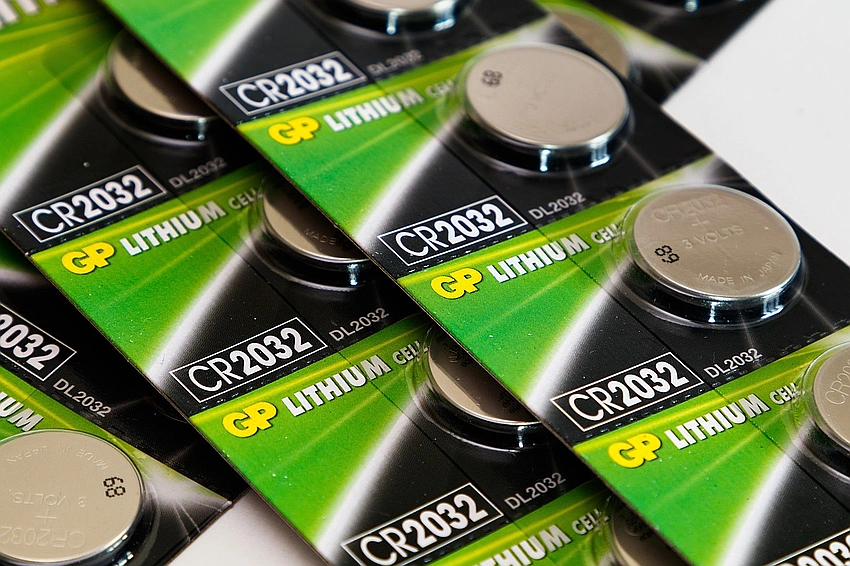
Button cell batteries are the small, round batteries used in watches, hearing aids, and calculators. They may look harmless, but they often contain mercury, silver, or lithium — materials that need to be handled carefully. Recycling button cells helps recover these valuable metals while keeping toxic substances out of the ecosystem.
Button cell battery recycling services 🔗 are now available in most areas, allowing users to drop them off at designated recycling points instead of disposing of them with household waste.
Conclusion
Batteries power our lives, but they also pose a risk if left to pollute the environment. Recycling them turns potential waste into reusable materials that save energy, reduce mining, and protect nature. From the smallest button cell to the largest car battery, each one deserves a second life. By recycling responsibly, we take an active step toward a cleaner, safer, and more sustainable future.

Login to comment.
No thots yet. Be the first to share your thoughts!