Court Dismisses Salt-N-Pepa Lawsuit Over Master Rights Against UMG

Court Dismisses Salt-N-Pepa Lawsuit Over Master Rights Against UMG
A New York judge dismisses Salt-N-Pepa's lawsuit against Universal Music Group over master rights, closing a high-profile ownership battle.
In a decision handed down in the Southern District of New York, District Judge Denise Cote dismissed Salt-N-Pepa's May 2025 lawsuit against Universal Music Group over the ownership of their master recordings, ruling that the plaintiffs failed to state a legal claim under the Copyright Act. The complaint argued that UMG had effectively blocked the group from reclaiming the rights to their music, a move Salt-N-Pepa described as keeping their work hostage for decades. UMG had sought dismissal, arguing that there was no legal basis to reverse ownership or compel new terms, and that they had already attempted to resolve the dispute amicably.
In the decision, the judge agreed the complaint did not meet the needed legal standard, ending the litigation for now. The ruling leaves open questions about how artists can regain control of their masters in an era where streaming and licensing shape an artist's legacy. Salt-N-Pepa, comprised of Cheryl James Salt and Sandra Denton Pepa, first filed the suit in May 2025, pointing to the Copyright Act of 1976 as the vehicle to reclaim rights after about 35 years since their recordings were released. The plaintiffs cited 1987's Push It and other catalog works.
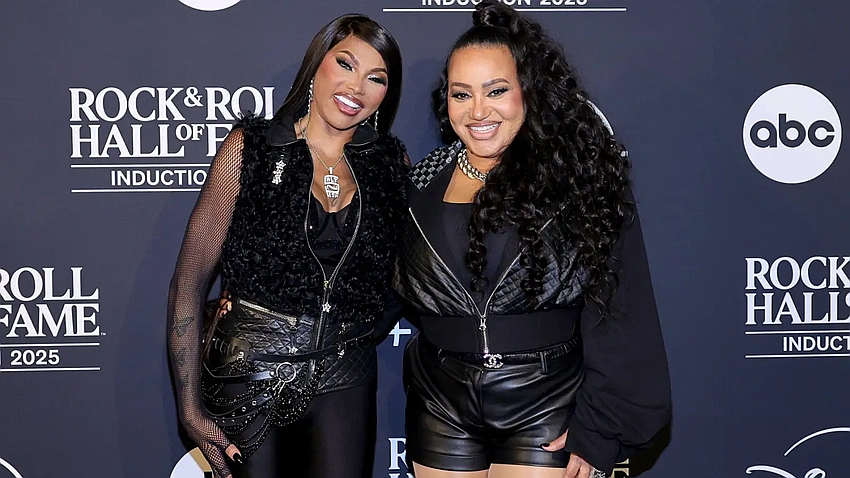
The timing added a historical layer to the case: in November 2025, Salt-N-Pepa were inducted into the Rock and Roll Hall of Fame in Los Angeles, a moment they used to acknowledge the larger struggle around ownership and access. During the induction, they acknowledged removals of their music from streaming services, a development that had already fueled public conversations about how artists are compensated in a changing digital landscape.
The court's dismissal underscores the legal hurdles artists face when pursuing ownership changes long after initial releases, and UMG's public statements framed the decision as a victory for a collaborative approach to compensation and access. The label said it remains open to ongoing dialogue and denied any attempt to stall the group's career. For fans, the ruling translates into continued access challenges in some markets but confirms the case's legal boundaries for now.
While the lawsuit has ended, the broader debate about master rights and fair compensation continues to roil the music industry. Salt-N-Pepa's legacy as trailblazers in hip hop and their ongoing advocacy for artist ownership keeps the issue in the public eye, fueling discussions about how to balance creative control with the realities of modern licensing, streaming, and rights.
