Blurry Emotions in a High-Definition World
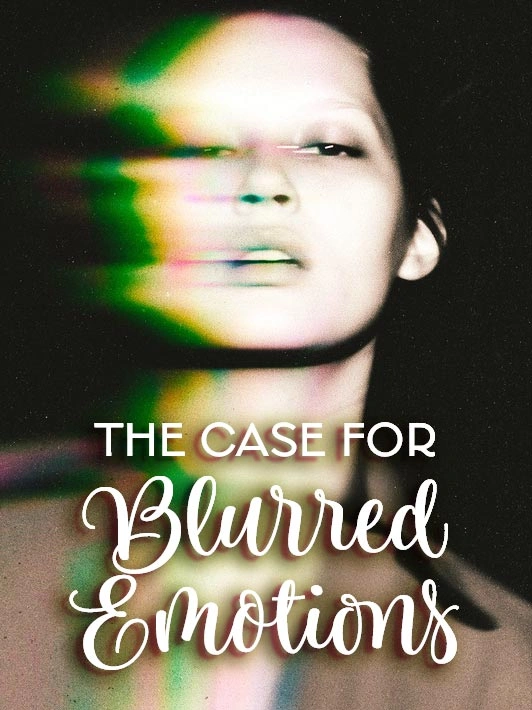
Blurry Emotions in a High-Definition World
With content-induced numbness, we barely feel anything at all. But social media asks us to label our feelings and share them with a neat hashtag!
We live in an age that demands clarity: sharp opinions, hot takes, clean labels for everything from identity to fashion to mental health.
Our screens are sharper than ever, cameras high-resolution cameras in every pocket. Our opinions posted in 140 characters, thoughts beautifully captioned and experiences decorated in bite-sized stories, and even our moods are supposed to be labeled. Apps ask you to log whether you feel “happy, sad, anxious, calm,” whether a post you just saw had a good insight or made you angry. Quizzes want to label your personal style, home aesthetic, and your whole vibe. Sum up heartbreak in a caption, frame joy into a single emoji.
But why?
The Case for Blurry Emotions (or None at All)
Real feelings are rarely that neat - if they're there at all. Most of us live half-sad, half-happy, uncertain if we’re anxious or just tired, unsure if we’re in love or just attached. Our emotions are blurry, part joy, part grief, part fear, part hope.
Content-Induced Numbness
Forget pressuring ourselves to choose one clear label, the endless content we consume makes us numb to even understanding our feelings.
When I was a teenage girl, I used to have lots of time to think, which made me get in touch with my emotions, my personality. I would journal my day, make notes of my favorite things, favorite people. Now we just doomscroll to fill up those moments. Who's got time to feel?
We use emojis when in fact, mostly we can't even emote anything about anything. We have become disconnected from what we’re actually experiencing.
The Demand for Clarity
The demand to define our emotions quickly isn’t accidental. Nor is it new. It comes from everywhere:
- therapy language on TikTok
- pronouns and labels on LinkedIn and Instagram
- relationship status on Facebook
- iPhone's sceen time logs
- wellness trackers that ping you at noon to “rate your mood”
- exercise apps that need you to log your steps or even glasses of water you had
Everything is logged and analyzed for us. But life - and indeed emotions - can't be logged and analyzed.
“Name your feelings,” therapists say, and there’s truth to that - language helps. But naming also oversimplifies. I first noticed it during my fashion blogging days. Creating quizzes like what's your fashion aesthetic or shopping tips based on those, it felt like I was committing an emotional crime. Why would anyone fit into the same box everyday? It's the same with life. By putting complex experiences into neat category boxes, we flatten the richness of what it means to feel human.
When was the last time you felt just happy? More often, it’s happy-but-nervous, happy-but-tired, happy-while-missing-someone. Last I felt happy was happy-grateful, which was two seconds after I felt annoyed with my kids for drawing a big something on the floor! Those compound states couldn't fit into a dropdown menu.
What's My Relationship Status with Life?
Psychologists actually have a name for this: emotional granularity. The idea is that the more specific words you have for mixed emotions, the better you understand yourself. But here’s the irony, our cultural obsession with clarity reduces granularity. We’re told to call it “sad” or “anxious,” when in reality it might be nostalgia, yearning, relief, or all three at once.
Labelling isn't Important. Feeling is.
I think we're not even teaching our younger generations these many words. Instead, they ask each other out with emojis.
While many stay away from using gender pronouns or relationship labels, they also stay away from actually trying to understand or feel them.
Life is Like Modern Poetry
I started writing with poetry, when I was around 10 years old, maybe younger. My earliest poetry was classic-inspired - larger-than life sagas and made-up experiences of strangers I'd never meet - all boldly portraying single emotions like epic love, endless grief. Sentences with equal number of syllables making up equal stanzas tied together with neat rhyme schemes. Because I hadn't experienced any complex emotions of my own I thought I'd simply try to emulate the classics I'd read by Shakespeare or Wordsworth.
When I grew up into my twenties, something different came out. Poems about nothing much - just fragments of moments or feelings. Watching sea waves, sitting in a beautiful library, fall leaves, understanding connections and loneliness. There were no stanzas, just single verses - no rhyming words, just phrases that weren't meant to be read out loud, but could still be re-read and interpreted in different ways.
That's the beauty of life. Of experiences.
Curating Moments
Modern life is almost not lived at all - at least not the important moments we do actually remember and share through social media posts. The weddings, relationships, travels, foods all are curated and captioned.
Pics on Instagram captioned “best night ever” are not the whole truth. That's okay, as long as we honor the blurred edges. We don't need to forget that a party can feel like both belonging and loneliness. That success can feel like both triumph and loss.
Blur is Not a Glitch
Here’s the case for blur: blurry emotions are not a bug in the human system. They’re the feature. They’re what keep us connected to nuance. And nuance is what separates us from the bots.
Clarity is great, but half-truths are completely okay too. And half-emotions are also great! In fact they're poetic. My 4-year old Antariksh has just started asking me multiple times a day, "Mummy are you okay? Are you happy? Are you sad? Are you tired?" More often than not, I reply, "I'm happy and tired." I think there's a happy-tired face I make that he can't put into any category of emotion faces I draw for him to learn emotion-words, which makes him ask this!
Blur creates tension, but like any good story, it creates space for growth. Since I know I'm both excited and terrified at the prospect of succeeding with Thoxt, I leave room to learn. If you acknowledge you’re both grateful and resentful in a relationship, you can talk honestly about it.
Permission to Blur
When I was a kid I couldn't time my hunger. I'd often complain, "I'm hungry", which made my mom laugh, "You're already eating!" But it's the same with grownups and feelings. Our feelings sometimes contradict each other and we feel afraid of saying so. We'd get laughed at.
If we don’t allow blurry emotions, we force fake clarity, which creates shame when reality doesn’t fit the label. So maybe what we need is less pressure to define, and more permission to blur. A cultural permission slip that says, it’s okay if your emotions contradict each other. It’s okay if you can’t find the right emoji, or a perfectly worded tweet. It's okay to write a whole article!
#Feelings #NoLabels #MentalHealthAwareness #Doomscrolling #MindfulLiving
