Is It Love or Just a Highly Addictive Fantasy?


Is It Love or Just a Highly Addictive Fantasy?
Confuse intense infatuation with genuine love? This article explores limerence-the obsessive, fantasy-driven state-and helps you distinguish it from real intimacy. Understand your feelings better.
The Allure of the Ideal
Ever found yourself completely captivated by someone, where every thought, every waking moment, revolves around them? You fantasize about a perfect future, interpret their smallest gestures as grand declarations, and feel an intoxicating high when they reciprocate, followed by crushing despair when they don't. This isn't necessarily love.
More often, it's a phenomenon called limerence .

What is Limerence, Anyway?
Coined by psychologist Dorothy Tennov in the 1970s, limerence describes an involuntary state of mind that results from a romantic attraction to another person and typically includes obsessive thoughts, fantasies, and a desire to form or maintain a relationship with the object of infatuation, referred to as the 'limerent object'. It's characterized by intense longing, a roller-coaster of emotions, and an almost pathological preoccupation.
Unlike genuine love, which is often stable and reciprocal, limerence is largely a one-sided, fantasy-driven experience, fueled by uncertainty and a deep yearning for validation.

The Perfect Mirage
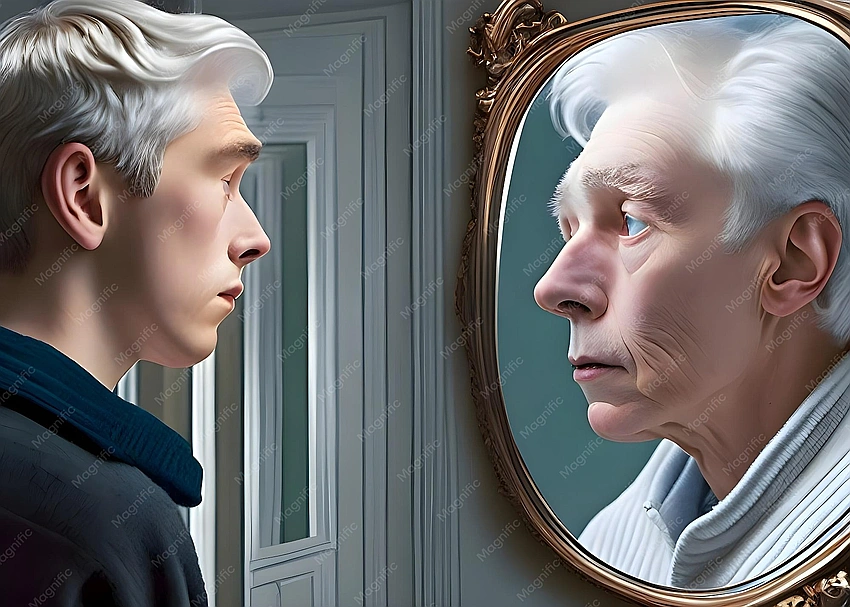
The limerent experience thrives on idealization. We tend to project our deepest desires and unfulfilled needs onto the limerent object, creating a perfect, often unattainable, version of them in our minds. Flaws are overlooked, interpreted as charming quirks, or simply not seen at all.
As psychologist Robert Sternberg's triangular theory of love suggests, genuine love involves intimacy, passion, and commitment. Limerence, however, often exists solely in the realm of intense passion and an imagined intimacy, lacking the grounding of true reciprocal understanding and long-term commitment. One friend, Sarah, spent years convinced a colleague was 'the one', despite barely speaking to him outside of work.
She built an entire romantic narrative around his casual compliments, oblivious to his actual unavailability.
When he eventually got engaged, she was heartbroken, realizing she mourned an illusion.

Building True Connection
So, if limerence isn't love, what is? Genuine emotional intimacy is built on a foundation of mutual respect, empathy, and a realistic understanding of another person, warts and all. It involves shared vulnerability, acceptance, and a desire for the other's well-being, not just for the thrill they provide or the void they might fill.
Attachment theory highlights how secure attachments, developed through consistent and responsive care, foster relationships where individuals feel safe, supported, and able to be their authentic selves.
This allows for love that is comforting, enduring, and less about obsessive pursuit.
“Love is not finding someone to live with. It’s finding someone you can’t imagine living without.” - (Often attributed to various authors, capturing the essence of deep connection)

Why Do We Fall for the Illusion?
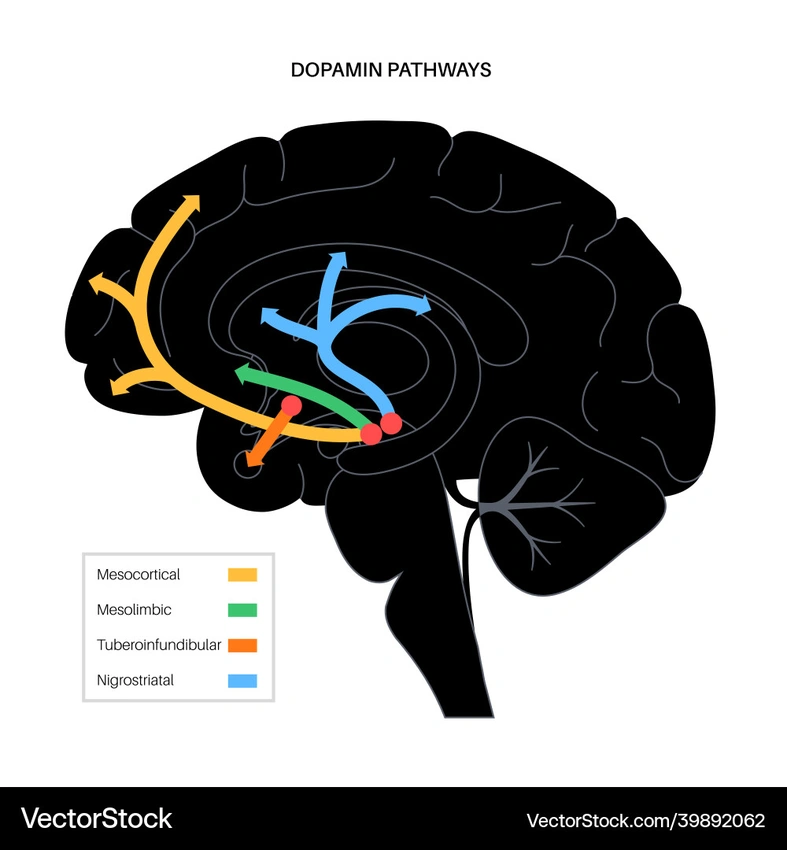
Limerence can be a powerful escape mechanism. It offers a dopamine rush, a distraction from personal problems, or a sense of excitement when life feels mundane. For some, it stems from attachment wounds, seeking intense validation to feel worthy.
The brain's reward system, craving the unpredictable 'fix' of the limerent object's attention, plays a significant role, making it feel incredibly addictive.
Recognizing this isn't about shaming the feeling, but understanding its roots.
Beyond the Fantasy—What's Next?
If you suspect you’re experiencing limerence, the first step is self-awareness. Try to ground yourself in reality: * Observe your thoughts: Are they mostly about the other person, to the exclusion of your own life? * Assess their reality: Are you seeing the person as they truly are, or through a highly filtered lens? * Focus on your well-being: Are these feelings enhancing your life or causing distress and distraction?
Moving past limerence involves shifting focus back to yourself, cultivating self-compassion, and nurturing your own life and relationships. It’s about building a solid foundation within, so you can attract and build connections based on genuine mutual affection, rather than a captivating, yet ultimately fragile, fantasy.

Login to comment.
No thots yet. Be the first to share your thoughts!