Is Your Favorite TV Villain Dressed Too Well? The Real Cost of Nate Jacobs Style
Is Your Favorite TV Villain Dressed Too Well? The Real Cost of Nate Jacobs Style
Why is Euphoria’s most toxic character wearing a house deposit's worth of Bottega Veneta? Let’s talk about TV’s designer obsession and the glamorization of wealth.
The Aesthetic of the Antagonist
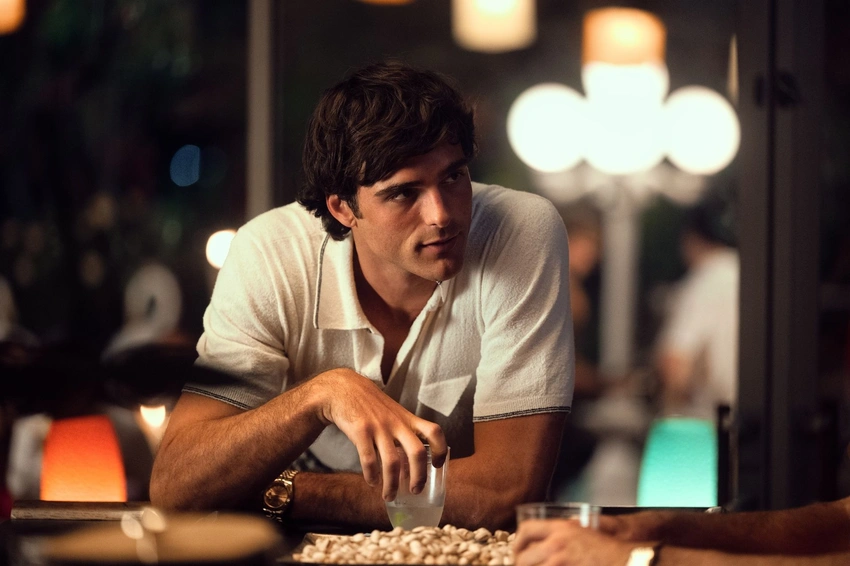
We need to talk about the wardrobe of the modern TV villain. Specifically, we need to talk about Nate Jacobs. If you have been keeping up with the fashion analysis of recent television hits, you might have seen the staggering price tag attached to his minimalist, high-end look. We are talking about thousands of dollars spent on Bottega Veneta leather jackets and designer basics. For a high school student, even a wealthy one, the numbers are astronomical.
There is a specific kind of power that comes with wearing a five-figure outfit while making everyone else’s life a living hell. In many ways, Nate’s wardrobe serves as a suit of armor. It is clean, expensive, and impeccably tailored. It projects an image of stability and control that stands in direct contrast to the absolute chaos and violence he inflicts on those around him. This is not just costume design; it is a statement about how we perceive power.
Glamorization or Critique?
This leads to a massive debate: is the show glamorizing toxic wealth? When we see a character who does terrible things looking like a walking editorial for a luxury fashion house, it creates a confusing internal conflict for the viewer. We are conditioned to admire the aesthetic even if we loathe the person. Some argue this is a sharp cultural critique. It exposes how society is willing to overlook red flags as long as the person looks successful. It suggests that wealth is the ultimate camouflage for bad behavior.
The Stealth Wealth Trap
However, there is a risk. By making villainy look this good, do these shows turn toxicity into a trend? The rise of stealth wealth and quiet luxury on screen often makes these characters more aspirational than they should be. We start looking for the shopping link to the jacket rather than discussing the character’s harmful actions.
Ultimately, the designer obsession in shows like these highlights our own obsession with appearances. Whether it is a critique of the upper class or just a high-budget costume department flex, one thing is certain: Nate Jacobs’ closet is more expensive than most of our futures. If we cannot separate the style from the person, we might be falling for the same trap the show is trying to warn us about.
