Myanmar Votes in Contested Election as Civil War Deepens Crisis

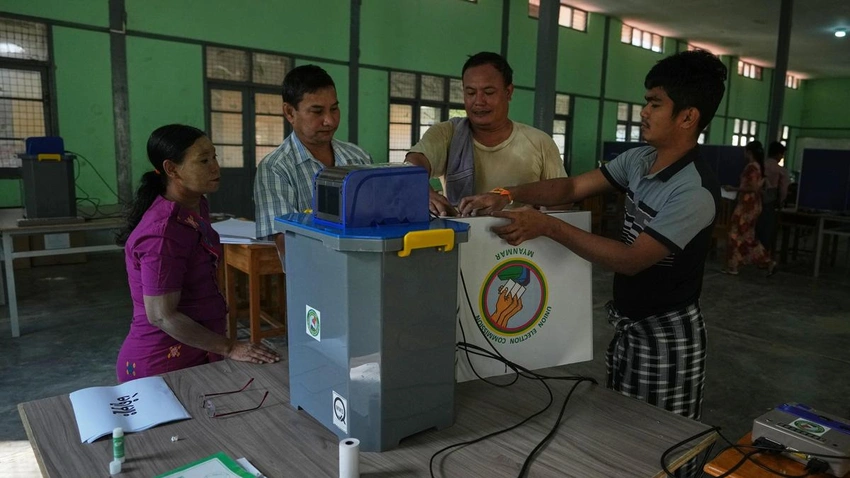
Myanmar Votes in Contested Election as Civil War Deepens Crisis
Myanmar's military-led election faces international condemnation as civil war and a worsening humanitarian crisis deepen, challenging any claim to legitimacy.
Myanmar heads to the polls under a military-led government that has seized power and sidelined most parties that won seats in 2020. The regime, led by Min Aung Hlaing, argues the vote offers a path to stability and normalization, while critics say it is a sham designed to grant legitimacy to a dictatorship. China has quietly provided technical and financial support for the exercise, underscoring regional sensitivities about how to handle the crisis. On the ground, fighting persists as ethnic and anti-coup groups clash with security forces, complicating voters' access and safety.
Campaigns have limited reach; with the NLD sidelined, the long-dominant USDP is expected to capture most seats, though observers warn that the resulting parliament will be hollow without broad participation. The context of a broader military campaign to retake territory suggests the election may be staged in a bid to present a facade of normalcy while the real power remains with the generals. International observers voice skepticism and warn against treating the vote as a genuine democratic contest.
Meanwhile, the humanitarian crisis has deepened. The United Nations says about 20 million people need aid in a country of 51 million, and more than 3.6 million have been displaced by fighting. Civilians have suffered thousands of deaths, with hunger and rising prices pushing more into poverty. The World Food Programme warns that more than 12 million people will face acute hunger next year, including about 1 million who need lifesaving assistance. Aid groups report the country operates with only a fraction of required funding—leading to a grim outlook if relief cannot reach those in need.
With mounting violence and widespread displacement, critics say the election is more about projecting control than delivering reform. The international community remains divided: some governments and regional actors call for dialogue, while others push for accountability and continued humanitarian relief. The coming weeks will determine not just who sits in a parliament, but whether Myanmar can avert further catastrophe and restore some dimension of civilian protections.
