The Great American State Fair: Why Some Events Flop, Others Fly

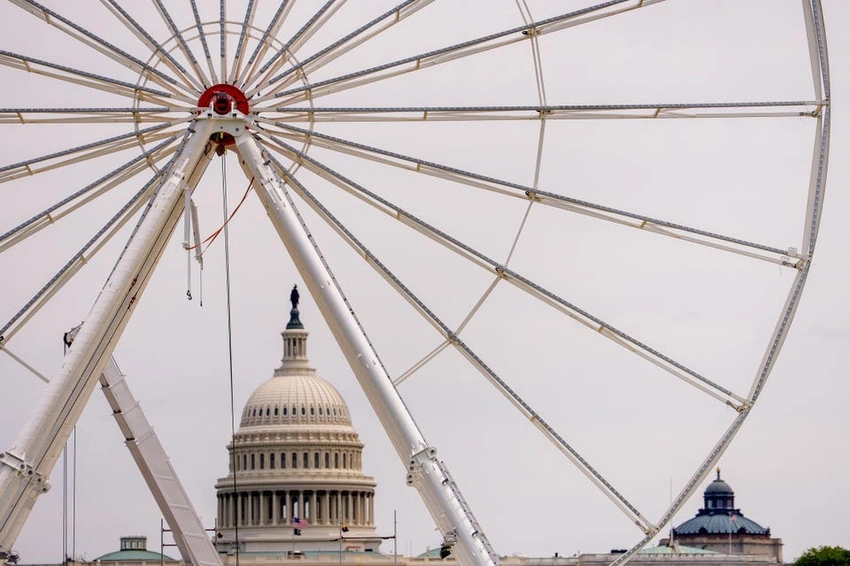
The Great American State Fair: Why Some Events Flop, Others Fly
What makes an event a must-attend? We're diving into the 'Great American State Fair' controversy, where states are opting out despite the 250th birthday celebration.
Creating an event that truly resonates, that feels like a 'must-attend' for everyone, is a monumental task. When done right, it can capture national imagination. When it misses the mark, well, it risks becoming a ghost town. The upcoming “Great American State Fair,” a 16-day showcase spearheaded by the Trump-backed organizer, Freedom 250, and set to celebrate the nation’s 250th birthday from June 25 to July 10, 2026, offers a fascinating case study in what can go right—and very wrong—in large-scale event planning.
Here’s the thing: despite the fanfare surrounding America's quarter-millennium celebration, the 'Great American State Fair' is already facing significant headwinds. At least eight states have decided not to send representatives, turning what should be a unifying national display into something less complete. States like Connecticut, Maine, Massachusetts, North Carolina, Oregon, Rhode Island, Vermont, and Washington are all opting out. It's not just a minor hiccup; it follows a trend, with a slate of music artists reportedly backing out last month, signaling deeper issues than just logistical snags.
So, why the cold shoulder? The reasons cited by these states are telling. The majority point to 'budget constraints,' which is a common and understandable hurdle for any state organization. Maine’s tourism office added 'scheduling demands due to the Office’s busy summer season,' suggesting that even with advance notice, allocating resources for such an event can be challenging.
But then there’s the more pointed feedback. Oregon spokesperson Luke Harkins didn't mince words, stating that Oregon will not participate “due to both the cost of participating in the Fair and growing concerns that the event in Washington D.C. is shaping up to be a more partisan affair than originally presented.” This hits at the core challenge: when an event, especially one aiming for broad national appeal, becomes associated with a specific political figure or ideology, it risks alienating those who don't align. Massachusetts Governor Maura Healey’s truncated comment, suggesting Trump is “too busy with his ‘Great American Sta”, also hints at a broader perception of the event’s priorities and tone.
Even as Pennsylvania’s tourism board is reportedly still considering participation, the message is clear. While a spokesperson for Freedom 250 insists all 50 states and U.S. territories will be represented regardless of physical absence—presumably through digital displays or stand-ins—it’s not the same as having actual, enthusiastic participation.
What can we learn from this? For an event to truly become a 'must-attend,' it needs to foster a sense of universal belonging. It requires meticulous planning to address practical concerns like cost and scheduling, but crucially, it also demands an inclusive spirit that transcends political divides. If an event cannot guarantee that participants will feel genuinely welcomed and represented, regardless of their political leanings, it risks becoming perceived as an exclusive gathering rather than a national celebration. This entire situation underlines how difficult it is to create a truly unifying national event in our current climate, especially when its backing carries such distinct political connotations. The success of future grand celebrations will hinge on their ability to build bridges, not burn them.
